While you travel
Check hotel mattress seams and headboards with a flashlight before unpacking. Keep luggage on a rack or in the bathroom, not on the bed or floor.
Look for small black spots, shed skins or live insects about the size of an apple seed.
When you get home
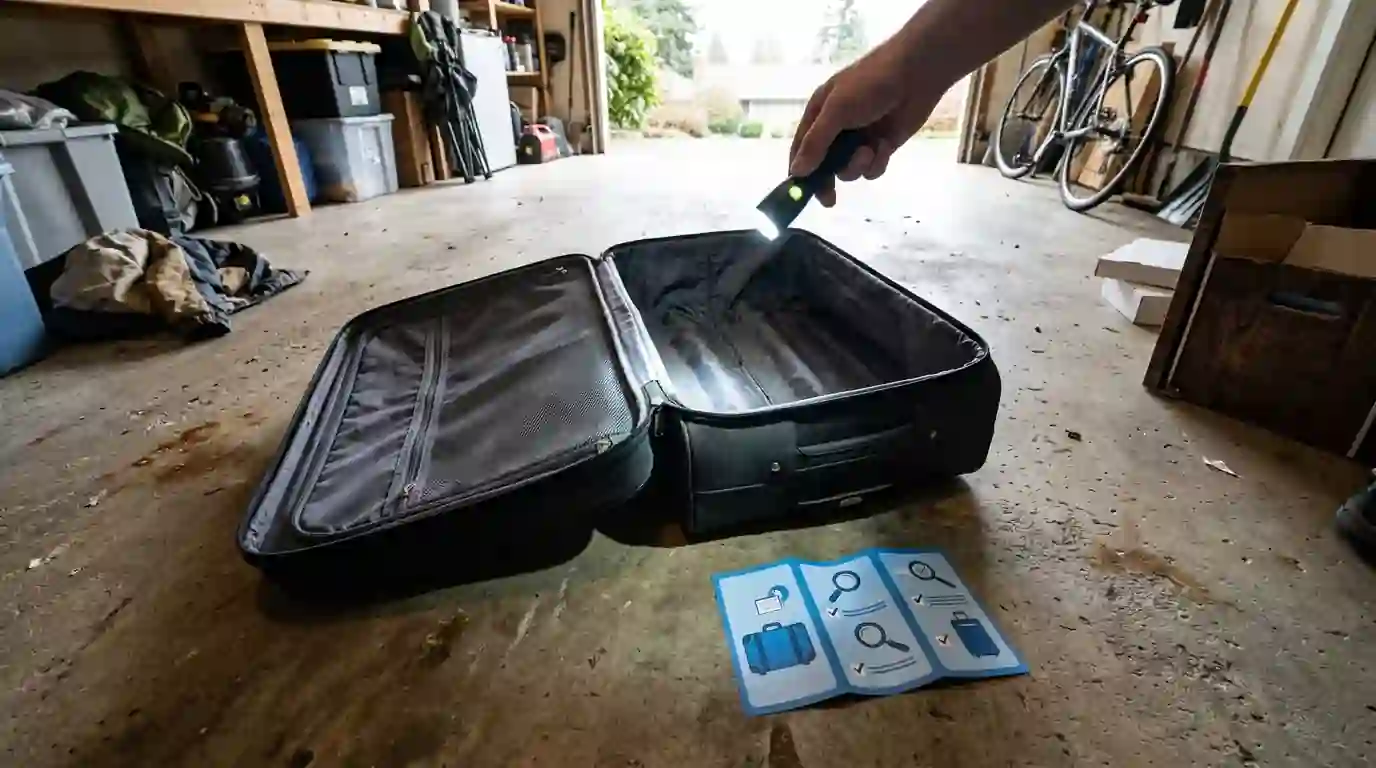
Unpack in a garage, laundry room or hard-floored area, not the bedroom. Inspect suitcase seams, pockets and handles.
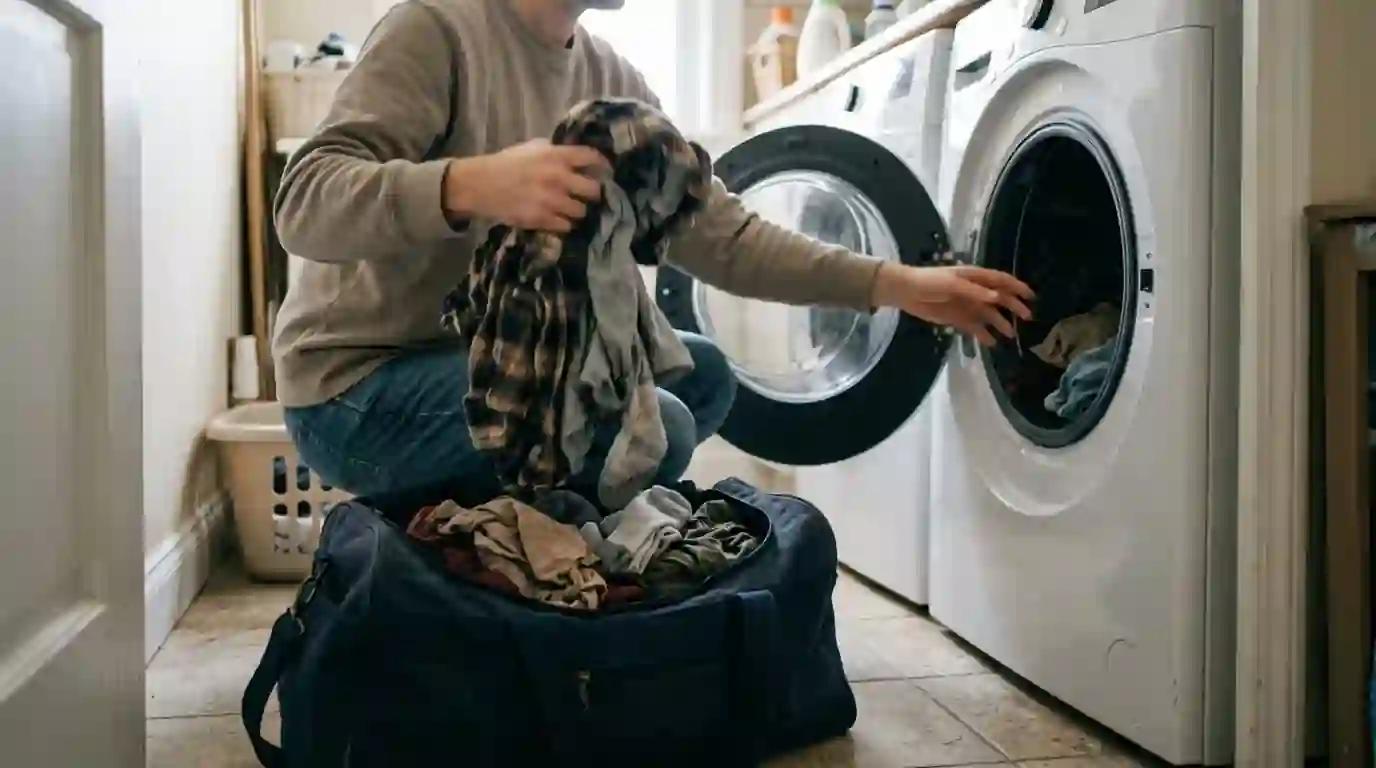
Put clothes straight into the dryer on high heat for at least 30 minutes, even before washing. Heat kills all stages of bed bugs.
Signs to watch for
In the following weeks, check mattress seams and box spring edges for dark spotting, eggs or shed skins. Bites alone cannot confirm bed bugs, as many people do not react to them.
If you find a suspect insect, save it in a sealed bag or on tape so it can be identified.
Secondhand furniture and guests
Travel is one route; used furniture is another. Inspect secondhand couches, mattresses, headboards and nightstands before bringing them inside, especially seams, joints and screw holes. Avoid curbside mattresses and upholstered furniture.
Guests who travel often can bring bed bugs unknowingly. A quick look at the guest bed after visitors leave is an easy habit.
Mattress encasements make inspection easier and remove hiding places in seams. Interception monitors under bed legs are inexpensive and catch bugs traveling to the bed.
When to call
If you find evidence, avoid sprays or foggers, which scatter bed bugs into walls. Do not move to another room to sleep.
An inspection confirms whether bed bugs are present. Early infestations are much easier and less expensive to treat.
Understanding the signs
Bed bug fecal spots look like small dots made by a fine-tip marker, often in clusters along mattress piping, box spring edges, bed frame joints and headboards. They may smear when wiped with a damp cloth.
Eggs are tiny, pearl-white and about a millimeter long, usually tucked into seams and crevices. Shed skins are light brown and look like empty versions of the insect.
Live bed bugs are flat, oval and reddish brown, about the size of an apple seed as adults. Young nymphs are smaller and paler, and can be hard to see without a flashlight.
Look closely at the bed first, then nearby furniture and baseboards. If you find any of these signs, keep everything in place and arrange an inspection rather than moving items to other rooms.
Post-travel checklist
- Unpack outside the bedroom
- Inspect luggage seams and pockets
- Put clothes in a hot dryer for 30 minutes
- Vacuum the suitcase and empty the vacuum outside
- Store luggage away from beds
- Check mattress seams over the next few weeks
- Save any suspect insect for identification
- Avoid foggers and sprays