Receiving docks
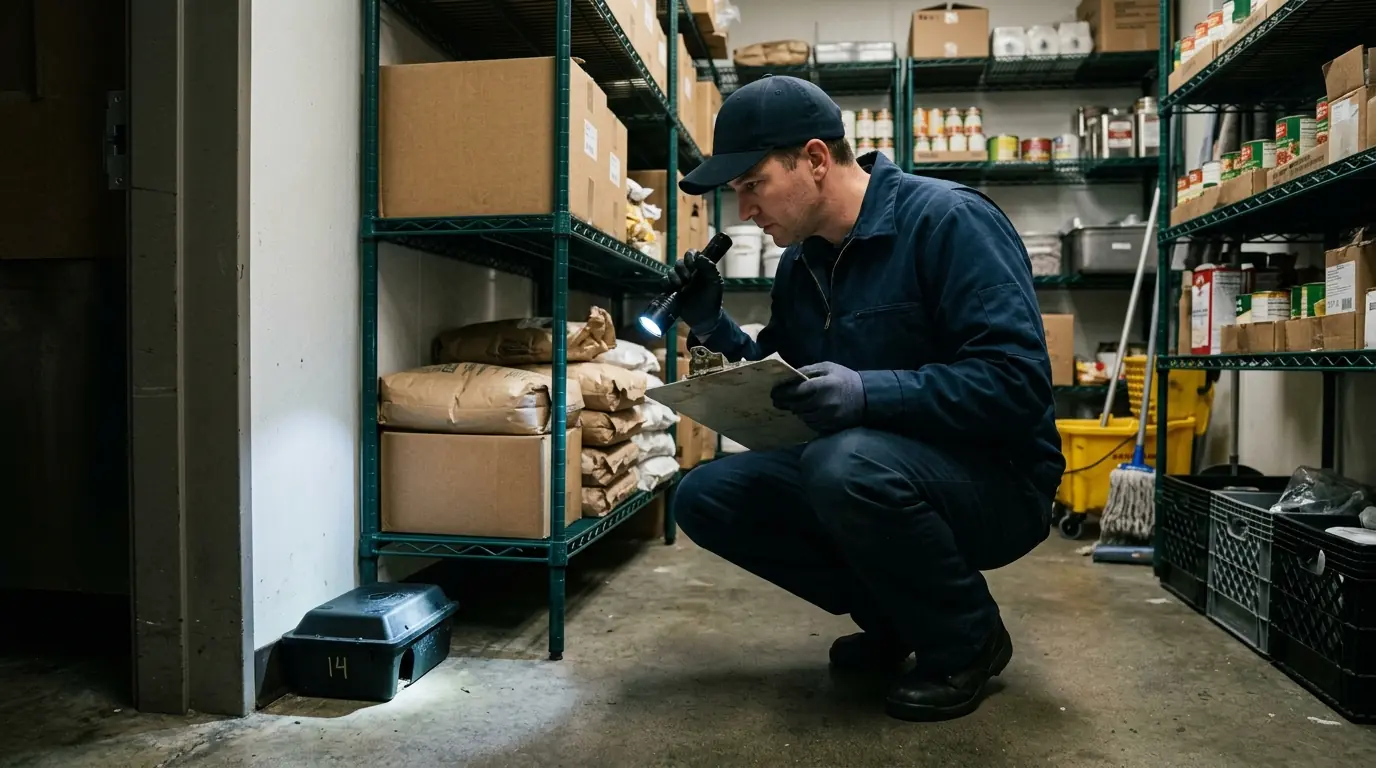
Doors propped open, damaged dock seals and pallets bring in rodents and stored-product insects.
Commercial & Plans
A single sighting in a dining room or a mouse in a stockroom costs a business more than a year of good pest control. We build commercial programs around inspection, monitoring and documentation: scheduled service, station maps, service logs ready for a health inspector or auditor, and visits timed outside your trading hours.
Call (206) 944-0849 All treatments
Reviewed by Marjorie Tidwell, Pest Prevention Writer. Updated 2026-10-05.
In short: Call (206) 944-0849 to set up a site survey. We walk the building, map risk zones and existing activity, then propose a scheduled program: monitoring stations, targeted treatment, exclusion work and written service reports after every visit. Visits are timed before opening, after close or overnight, and urgent sightings get a same-day response.
What this treatment covers
Commercial pest control is a different job from residential because the stakes and the paperwork are different. Food businesses answer to health inspectors, warehouses and manufacturers to third-party auditors, and every business answers to its customers' reviews. Our programs start with a full site survey that maps the risk zones, receiving docks, waste areas, kitchens, break rooms, storage, drains and the building envelope, and records current activity before any treatment is planned.
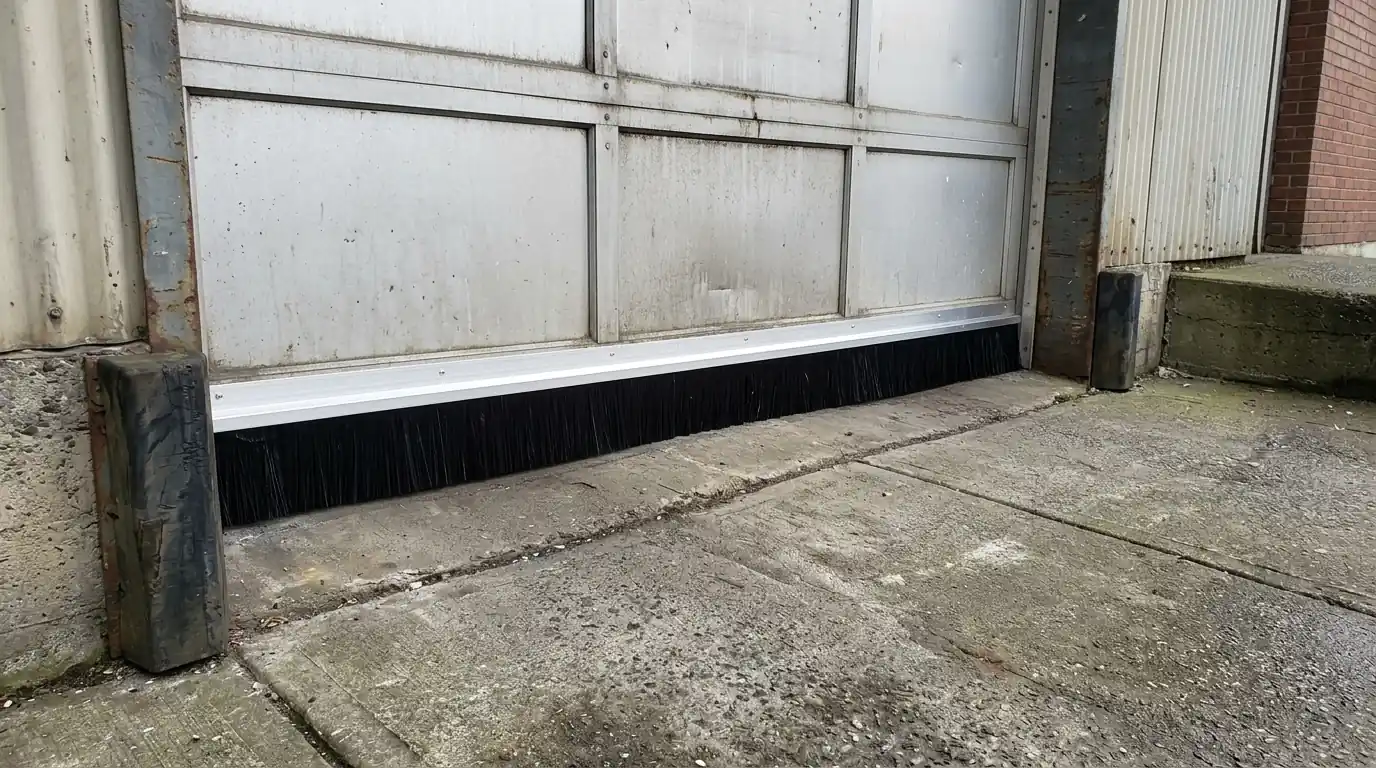
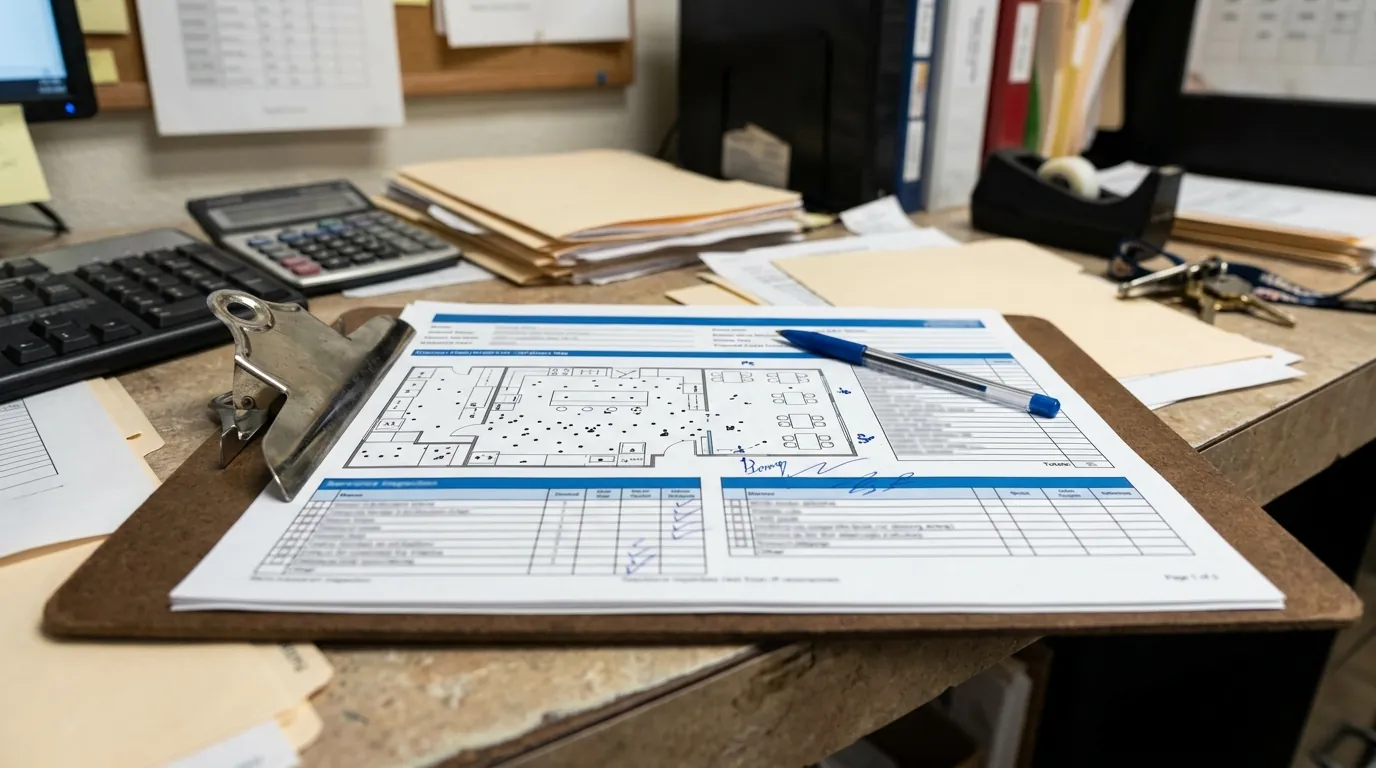
The program itself is integrated pest management: numbered monitoring stations for rodents and insects placed on a written map, scheduled inspections that read and log every station, targeted treatment only where findings justify it, and exclusion work on door sweeps, dock seals and penetrations that keep pests from entering in the first place. After every visit you receive a service report noting findings, actions, materials used and recommendations, so your file is ready whenever an inspector asks.
Timing matters to operating businesses. We schedule visits before opening, after close or overnight, keep technicians discreet in public areas, and respond the same day to urgent sightings. For multi-site operators, the same standard and reporting carry across every location in our coverage area.
Catch it early
Doors propped open, damaged dock seals and pallets bring in rodents and stored-product insects.
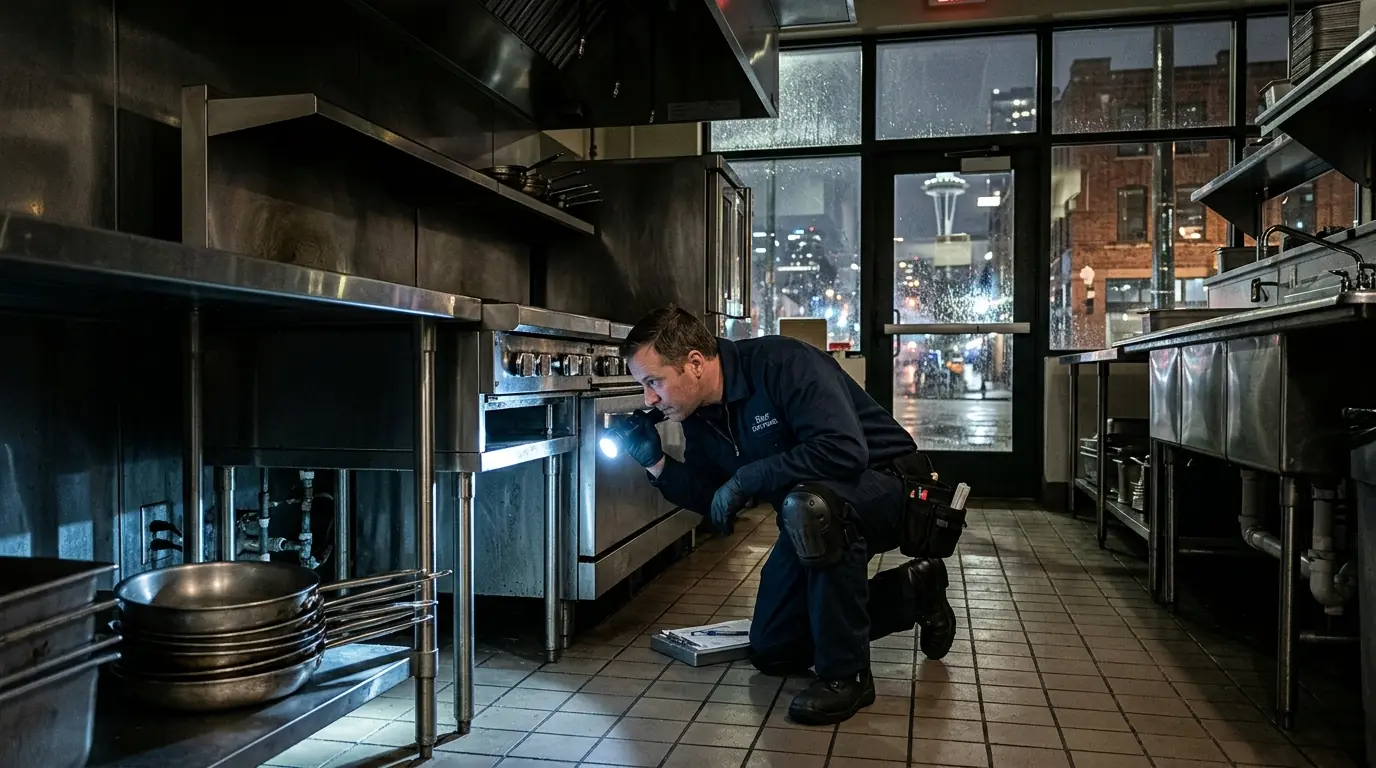
Warm motor housings, drains and equipment voids host German cockroaches in food service.
Floor drains and dumpster pads breed flies and attract rodents if sanitation slips.
Utility penetrations and gaps at grade let rats and mice into storage and walls.
Pigeons and starlings on signs and awnings create droppings at entrances.
Missing service logs can turn a minor finding into a failed inspection.
The Seattle angle
Our service office sits on 5th Avenue in downtown Seattle, which puts us close to the restaurants, offices, hotels and retail that make up much of the city's commercial pest work. Dense older buildings, shared walls and alleys with shared waste make rodent and cockroach control in downtown, Pioneer Square, Belltown and Capitol Hill a building-level job, not just a single-tenant one. Waterfront and industrial areas add bird and rodent pressure from the port, piers and warehouses.
Seattle's wet climate keeps drains, waste pads and dock areas damp for much of the year, which is why commercial programs here put extra attention on sanitation findings and exclusion. Our reports flag those conducive conditions clearly, because fixing a door sweep or a dumpster lid is usually cheaper than treating what they let in.
How the job runs
Risk zones, activity and conducive conditions mapped and photographed.
Station map, visit frequency, scope and price in writing.
Stations placed, initial treatment and exclusion completed.
Every station read and logged, findings treated, report delivered.
Trend review with you; frequency and focus adjusted to results.
Honest numbers
Commercial programs are quoted per site after the survey, because a coffee shop and a warehouse share almost nothing. What sets the price:
You get a fixed per-visit or monthly price with a clear scope, plus separate quotes for one-off exclusion or cleanup work, so budgets stay predictable.
| Monthly program | Quarterly program | |
|---|---|---|
| Best for | Restaurants, food handling, hospitality | Offices, retail and light commercial |
| Visits | 12 scheduled per year plus return visits | 4 scheduled per year plus return visits |
| Reporting | Service report and station log every visit | Service report and station log every visit |
| Pricing | Quoted per site after survey | Quoted per site after survey |
Make the visit count
Straight answers
Every visit produces a written report with findings, actions, materials and recommendations, plus the station log. That is the documentation inspectors and auditors typically ask to see.
Yes. Most commercial visits run before opening, after close or overnight so customers and staff are not disrupted. Phones are answered 24/7 for urgent issues.
It often does. Rodents and cockroaches move through shared walls, chases and waste areas. We treat your space thoroughly and give you findings you can share with property management for a building-wide approach.
Urgent commercial sightings are treated as same-day calls. We understand a pest in a dining room or retail floor cannot wait.
We follow integrated pest management: monitoring, exclusion and sanitation first, with targeted treatments placed only where they are appropriate and away from food contact surfaces.
Yes, multi-site operators can have one program with consistent reporting across every location in our coverage area.
Sighting in the dining room? Same-day response, any hour.
Call (206) 944-0849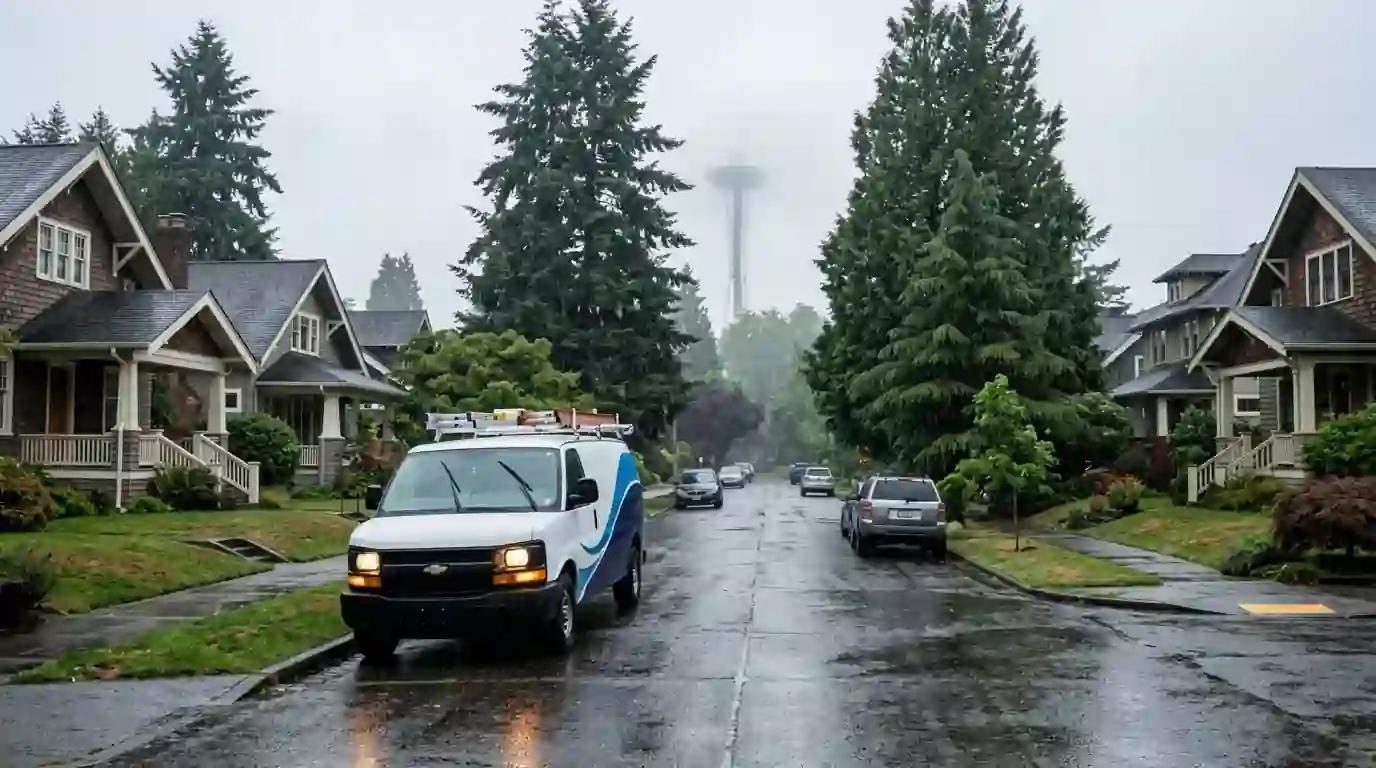
Talk to a technician
Survey, station map, scheduled service and written reports after every visit. Call to book a site survey.
Call (206) 944-0849Answered 24/7 from our Seattle service office.
Find the office
Our service office sits at 1440 5th Ave in Seattle, with the head office over in Aberdeen. Calls route to a person, not a queue, any hour.