Small tan roaches with two stripes
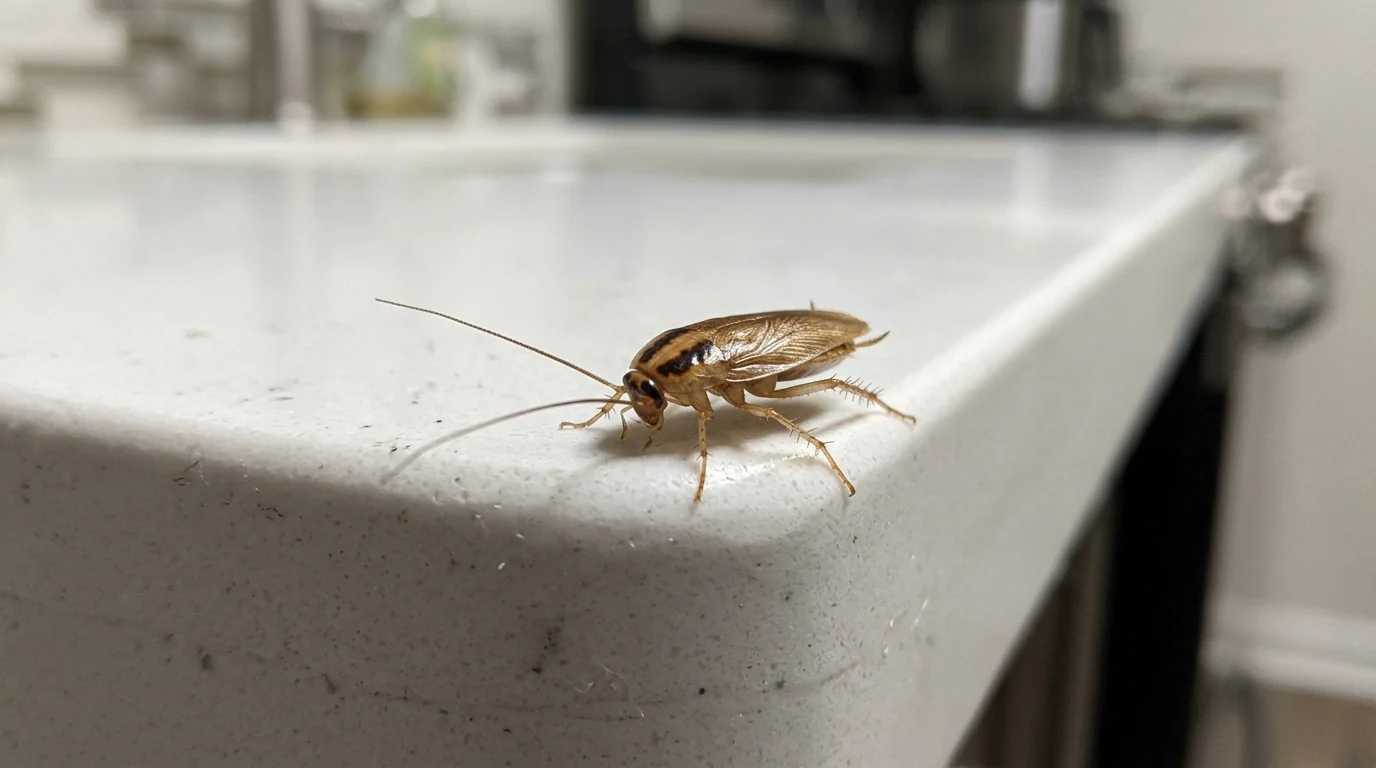
German cockroaches, the kitchen breeder. Daytime sightings mean harborage is crowded, which means the population is large.
Interior Infestations
The roach under the toaster at midnight is never alone, and foggers make the problem worse, not better. German cockroaches breed in kitchen harborage by the hundreds; American and Pacific Northwest wood roaches wander in from outside. We identify which you have, bait the population where it lives, and verify with monitors that it is actually gone.
Call (206) 944-0849 All treatments
Reviewed by Marjorie Tidwell, Pest Prevention Writer. Updated 2026-10-05.
In short: Call (206) 944-0849 and tell us what you saw and where: small tan roaches in the kitchen point to German cockroaches, large dark ones near drains or doors point to wanderers from outside. We inspect with flushing and monitors, place gel baits and growth regulators in the harborage itself, treat entry routes for outdoor species, and re-check with monitors until counts hit zero. Apartment and multi-unit situations get unit-honest advice.
What this treatment covers
Cockroach work divides sharply by species, and getting that wrong wastes everyone's month. The German cockroach, small, tan, twin-striped, is the true infester: it lives its whole life indoors, packed into warm, moist harborage within a few feet of food and water, the hinge side of cabinet doors, the void behind the dishwasher, the motor housing of the fridge. One gravid female carries an egg case of thirty-plus young, which is how a sighting becomes a population in weeks. The large dark roaches Seattle residents meet, American cockroaches around drains and boiler rooms, and native wood roaches that blunder in toward lights, are occasional intruders, not breeders in your kitchen, and they need perimeter and drain work, not a kitchen teardown.
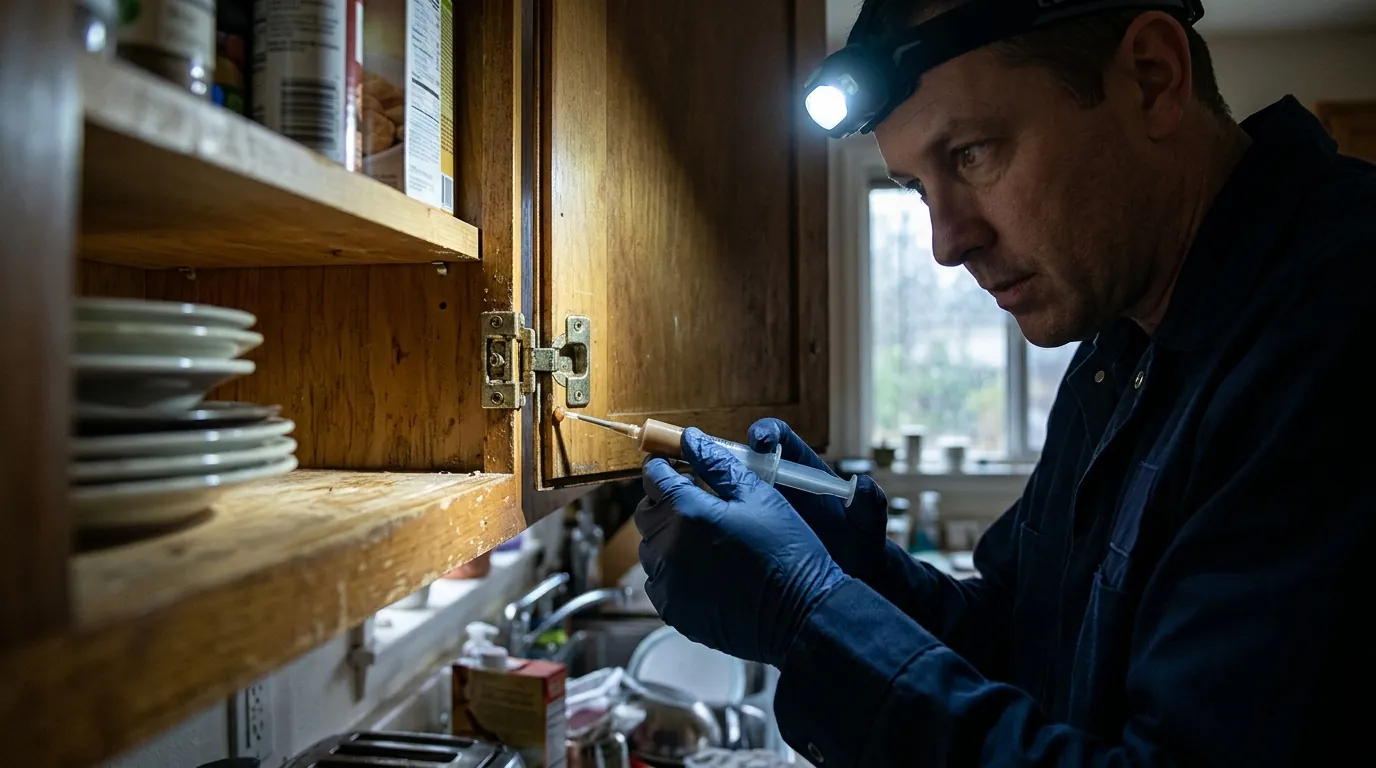
For German roaches, modern control is gel baiting plus insect growth regulators, placed by crack-and-crevice into the harborage the inspection actually finds. Roaches eat the bait, return to harborage, and the kill cascades as others contact and consume the dead; growth regulators break the breeding cycle behind it. What we do not do is fog: total-release foggers scatter roaches deeper into walls and adjacent rooms, contaminate surfaces, and repel roaches off treated zones, which is why the cans you already tried made the sightings briefly stop and then double.
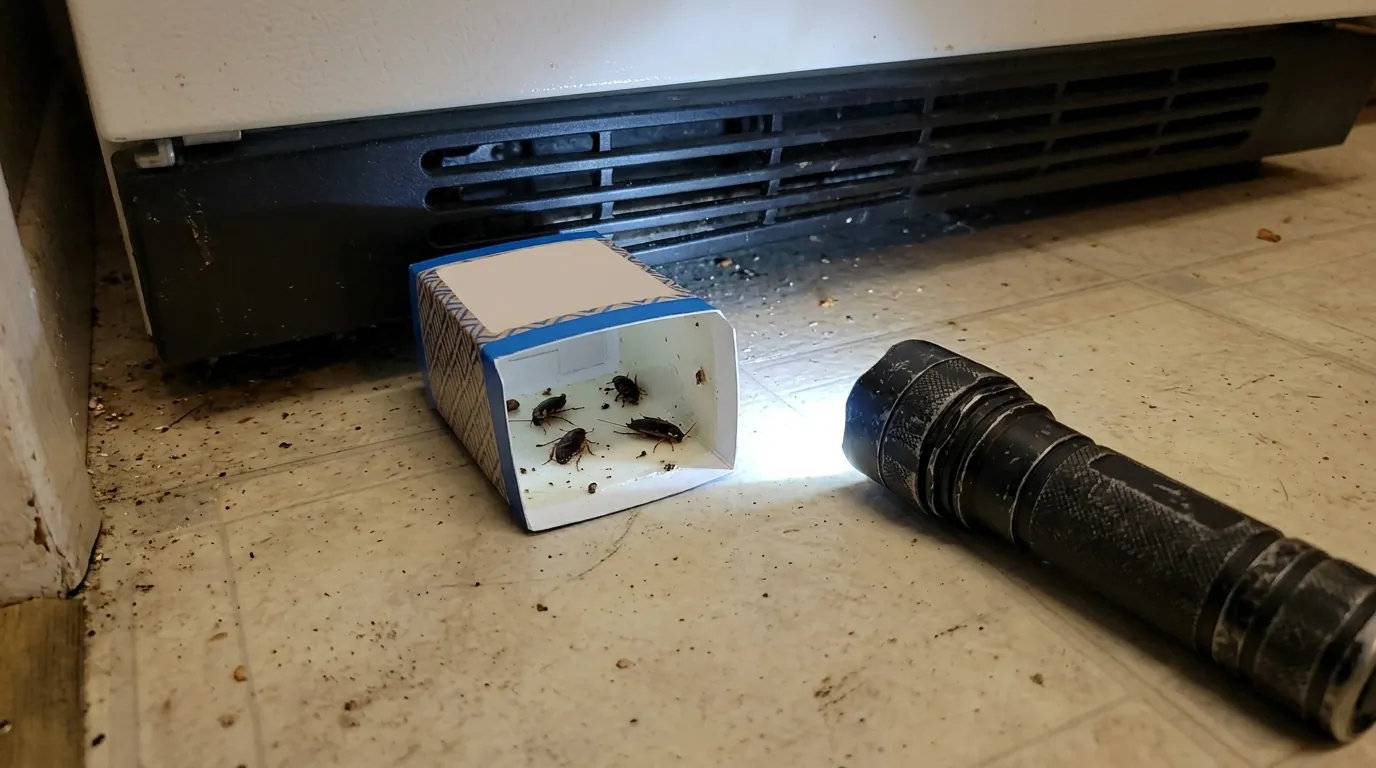
Sanitation is the force multiplier and we are specific about it: it is not about being clean enough, it is about denying water overnight, degreasing the stove sides, and vacuuming harborage during the visit, which removes hundreds of roaches instantly and makes the bait the best food in the room. Monitors placed at the end tell us, in numbers, when the kitchen has hit zero.
Catch it early
German cockroaches, the kitchen breeder. Daytime sightings mean harborage is crowded, which means the population is large.
Fecal spotting concentrates at harborage edges, hinge lines and shelf corners; it maps the nest better than sightings do.
Established German populations produce a distinct heavy smell in enclosed cabinets; strong odor means heavy numbers.
Purse-shaped capsules, each a future thirty roaches, glued in warm voids; finding them fresh means breeding is current.
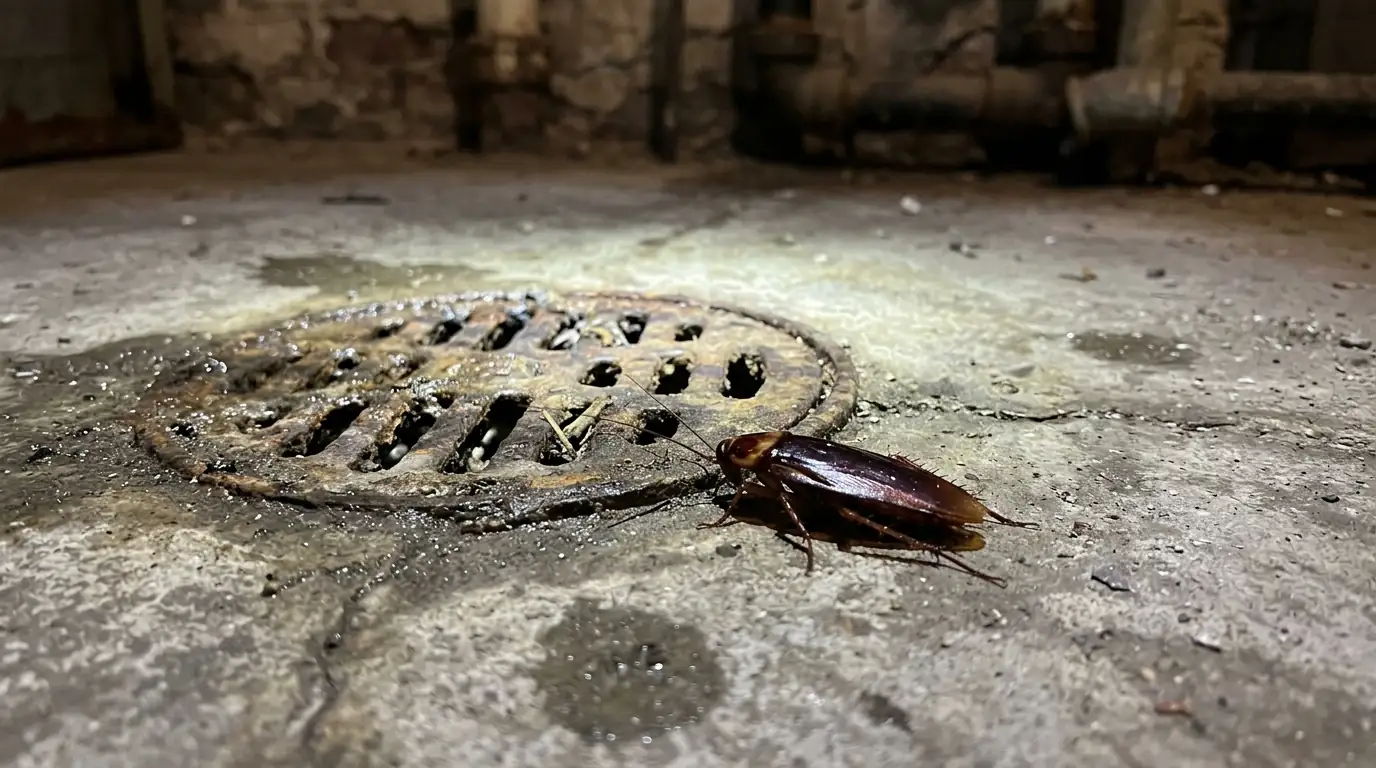
American cockroaches travel sewer and drain lines; repeat sightings at the same drain point to a line or basement source.
German roaches hitchhike in cardboard and appliances; a new sighting after a delivery deserves fast monitoring before it seeds.
The Seattle angle
Seattle's cool climate spares it the outdoor roach pressure of southern cities, which concentrates the problem where it is winnable: indoors. German cockroach work here clusters in kitchens and multi-family buildings, where shared walls, plumbing chases and garbage rooms let populations move unit to unit; the practical consequence is that in apartments and condos, honest control often means coordinating with neighbors or management, and we say so on the first call rather than selling a single-unit treatment that reinfests from next door. American cockroaches ride the city's aging sewer laterals into basements and ground floors, especially in older buildings, which is why a repeat sighting at one drain earns drain-line treatment rather than kitchen baiting.
The region's native wood roaches add a reassuring footnote: large, dark and clumsy, they wander in from woodpiles and leaf litter toward evening lights, cannot breed indoors, and need a sealed threshold more than a treatment. Telling you that straight, instead of booking a program against a harmless visitor, is part of what identification is for.
How the job runs
Size, color, room and time of day usually name the species before we arrive.
Inspection flushes harborage into view and monitors go down; the map, not guesswork, places the bait.
Gel baits and growth regulators by crack-and-crevice, plus a harborage vacuuming for instant knockdown.
You get the specific sanitation list, short and blunt, that makes the bait irresistible.
Follow-ups read the monitors; the job closes on numbers, not on vibes.
Honest numbers
Roach work typically lands mid-band in Seattle's published $95 to $550 one-time range, with German infestations toward the upper half because of the follow-up course. What sets your number:
Multi-unit jobs get frank scoping: if the building needs coordinated treatment, a single-unit price is a subscription, not a cure, and we will tell you before taking your money.
| One-time + follow-ups | Quarterly plan | |
|---|---|---|
| Best for | A contained German infestation or drain wanderers | Multi-unit pressure and food-adjacent homes |
| Visits | Initial plus 2 to 3 monitor checks | Four visits with standing monitors year-round |
| Method | Bait, IGR, vacuum, sanitation list | Same, plus perimeter and drain upkeep |
| Typical cost | Mid-to-upper half of the $95 to $550 band | Commonly $95 to $185 per visit |
Make the visit count
Straight answers
Depends entirely on which roach. One large dark wanderer near a door or drain is probably a visitor. One small tan German roach, especially by day, statistically has company, because daytime sightings mean crowded harborage. Photograph it if you can; the identification decides everything.
Because contact is all they do. The aerosol never penetrates the cracks where ninety-plus percent of the population sits, the repellent residue scatters survivors into new voids and adjacent rooms, and your surfaces wear the chemical instead of the roaches. Entomology departments have been saying this for decades; the cans still sell.
Placement makes them so: gels go inside cracks, hinges and voids, in rice-grain quantities, exactly where roaches live and fingers and paws do not. We walk you through every placement, and the actives used are selected for occupied kitchens.
Knockdown starts within days of baiting, helped by the harborage vacuuming, and most German jobs trend to zero on the monitors inside three to six weeks. Heavy, long-established populations run longer, and the monitor counts keep the progress honest either way.
Your unit can be made dramatically better, and sealed at the plumbing chases and shared walls where traffic enters, but with breeding pressure next door the honest word is suppression, not eradication. The durable fix is coordinated treatment, and we help tenants make that case to management with monitor data.
They are a documented asthma and allergy trigger, particularly for kids in heavily infested housing, and they mechanically carry bacteria from drains to counters. It is a genuine health reason to treat properly, and also the reason we favor baiting over broadcasting chemicals through a kitchen.
Saw one by daylight? That is the call-now sign.
Call (206) 944-0849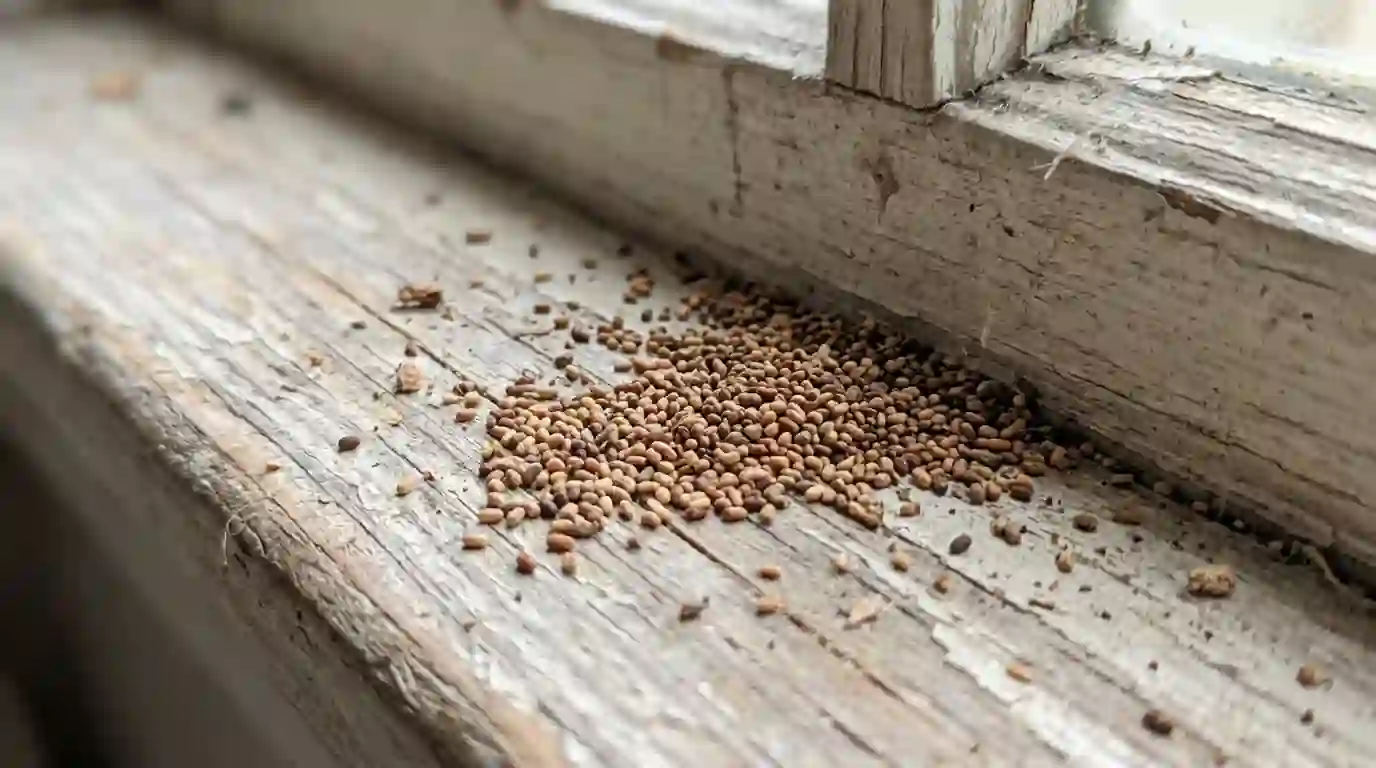
Talk to a technician
Identification, harborage baiting, a blunt sanitation list and monitor counts down to zero. Call any hour; kitchens move fast on the schedule.
Call (206) 944-0849Answered 24/7 from our Seattle service office.
Find the office
Our service office sits at 1440 5th Ave in Seattle, with the head office over in Aberdeen. Calls route to a person, not a queue, any hour.