The smell has a daily rhythm
Odor that peaks in warm afternoons points to attics and sun-side walls; constant low odor points to crawl spaces.
Rodents
The smell always wins, so the job is finding the source fast. A rat, squirrel, opossum or raccoon that dies in a wall void, attic or crawl space announces itself within days. We locate the carcass, remove it, treat the odor at its source, and seal how it got in, so this does not repeat.
Call (206) 944-0849 All treatments
Reviewed by Marjorie Tidwell, Pest Prevention Writer. Updated 2026-10-05.
In short: Call (206) 944-0849 and tell us where the smell is strongest and when it started. We locate the carcass using odor gradient, fly activity and access patterns, remove it through the least invasive opening, disinfect and deodorize the spot, and seal the entry the animal used. Most removals finish in a single visit.
What this treatment covers
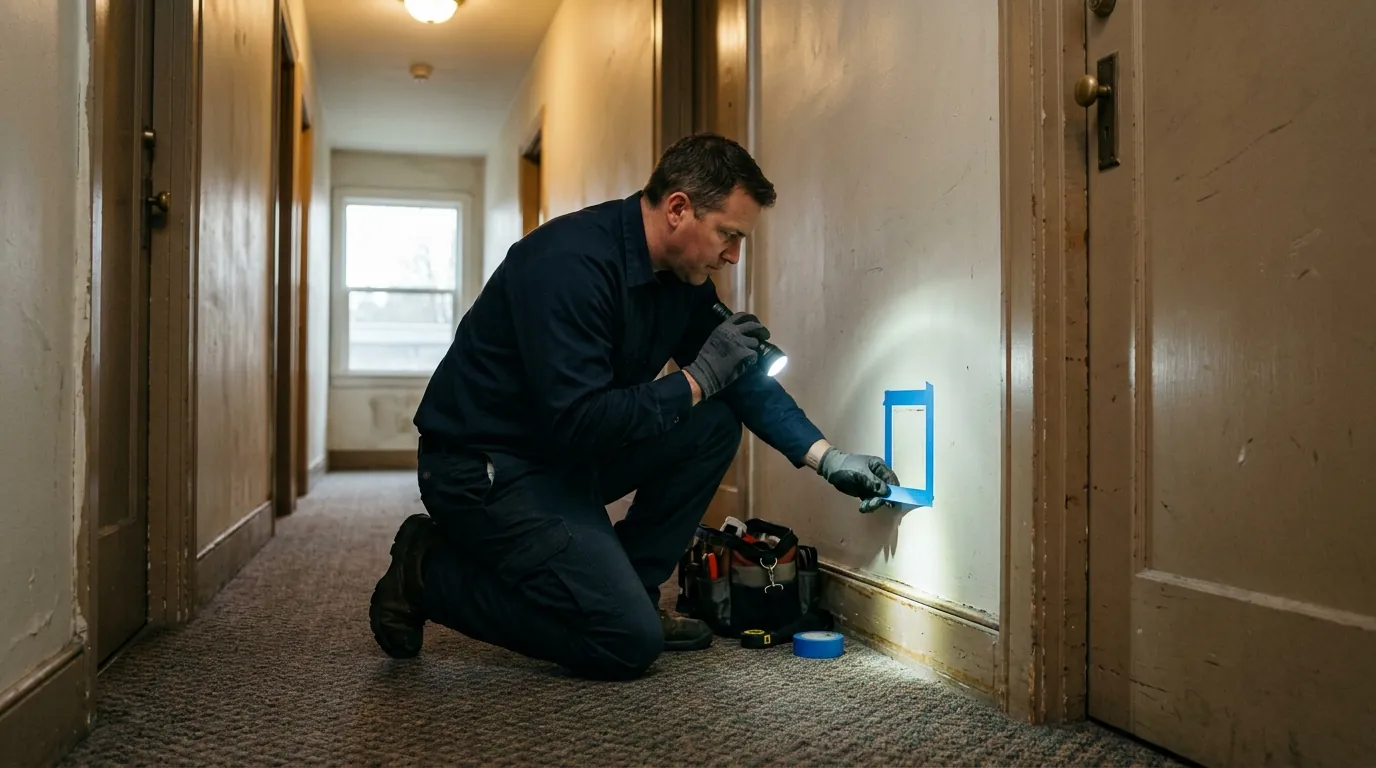
Dead animal work is detective work first. A carcass in a wall void, under the bathtub, in the duct run or deep in the crawl space rarely sits where the smell seems strongest, because odor rides airflow. We read the gradient room to room, watch for blowfly activity, which concentrates near the source within a day or two, and map the building's rodent runways, since animals die along the routes they lived on. That triangulation is the difference between one small, precise access opening and exploratory holes across your drywall.
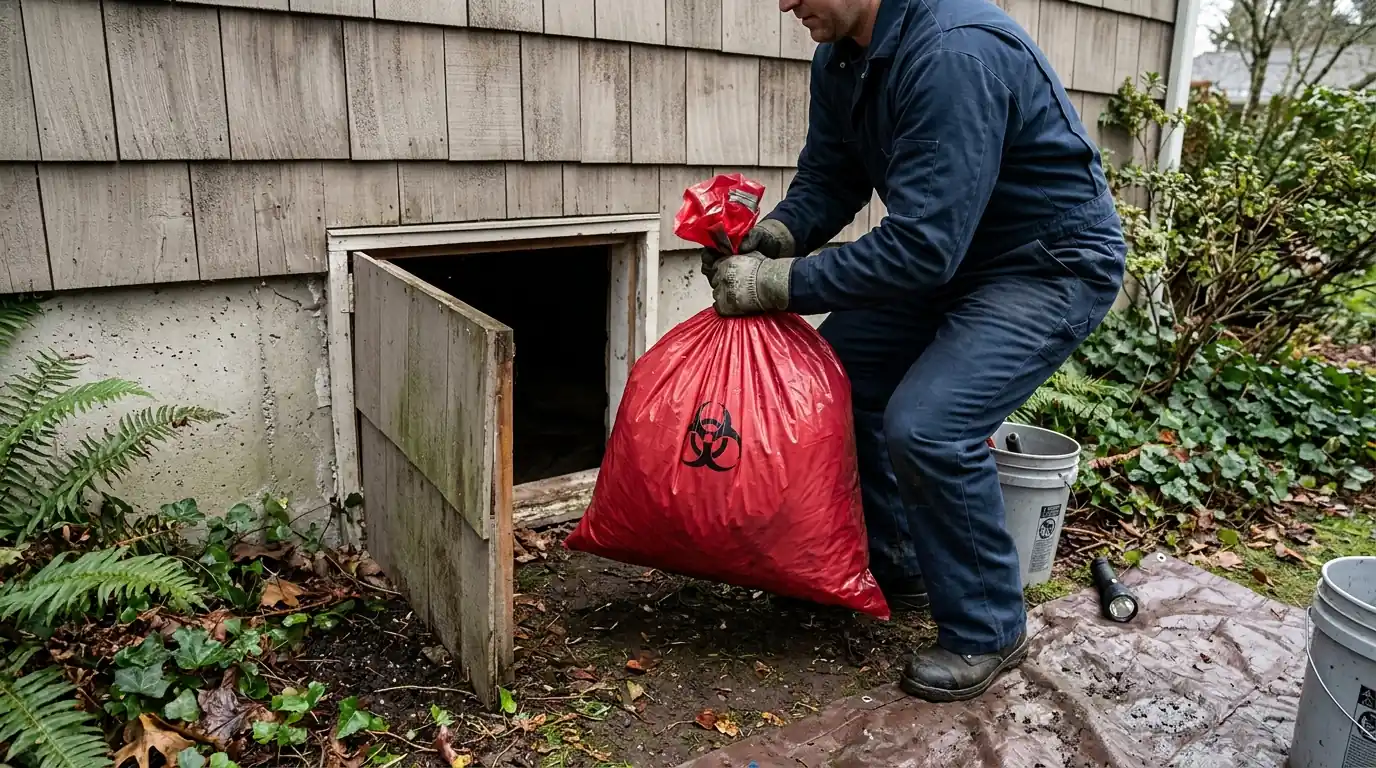
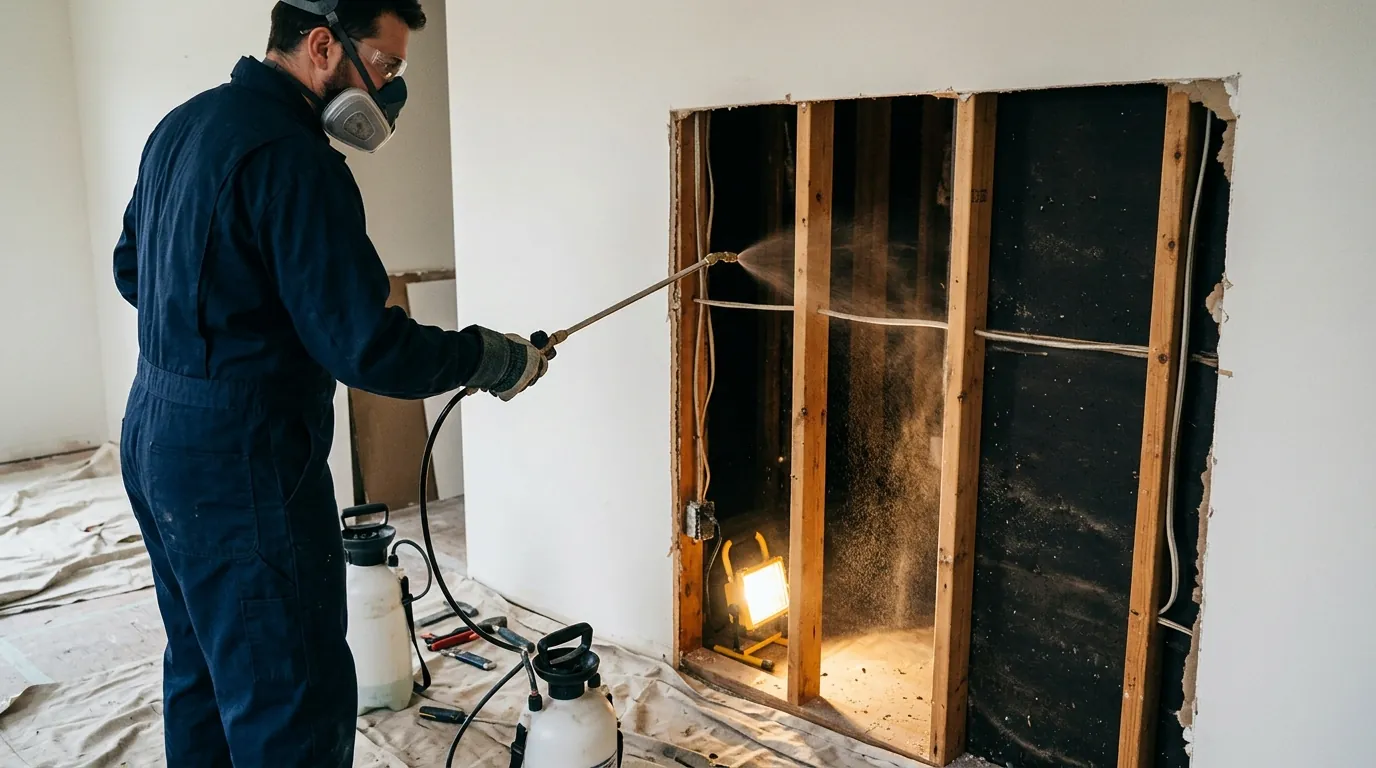
Removal is done sealed and gloved, with the carcass bagged out along a protected route. Then the site itself gets treated: the fluids a decomposing animal releases soak into wood and drywall and keep producing odor long after the body is gone, so we disinfect the spot and apply enzyme-based neutralizers that break the odor compounds down rather than perfuming over them. Where a wall was opened, you get a clean, patch-ready opening and honest advice on the repair.
Finally, cause: an animal died inside because it lived inside. We identify the entry, seal it, and tell you whether what we found suggests a wider problem worth treating, a judgment we give straight rather than as an automatic upsell.
Catch it early
Odor that peaks in warm afternoons points to attics and sun-side walls; constant low odor points to crawl spaces.
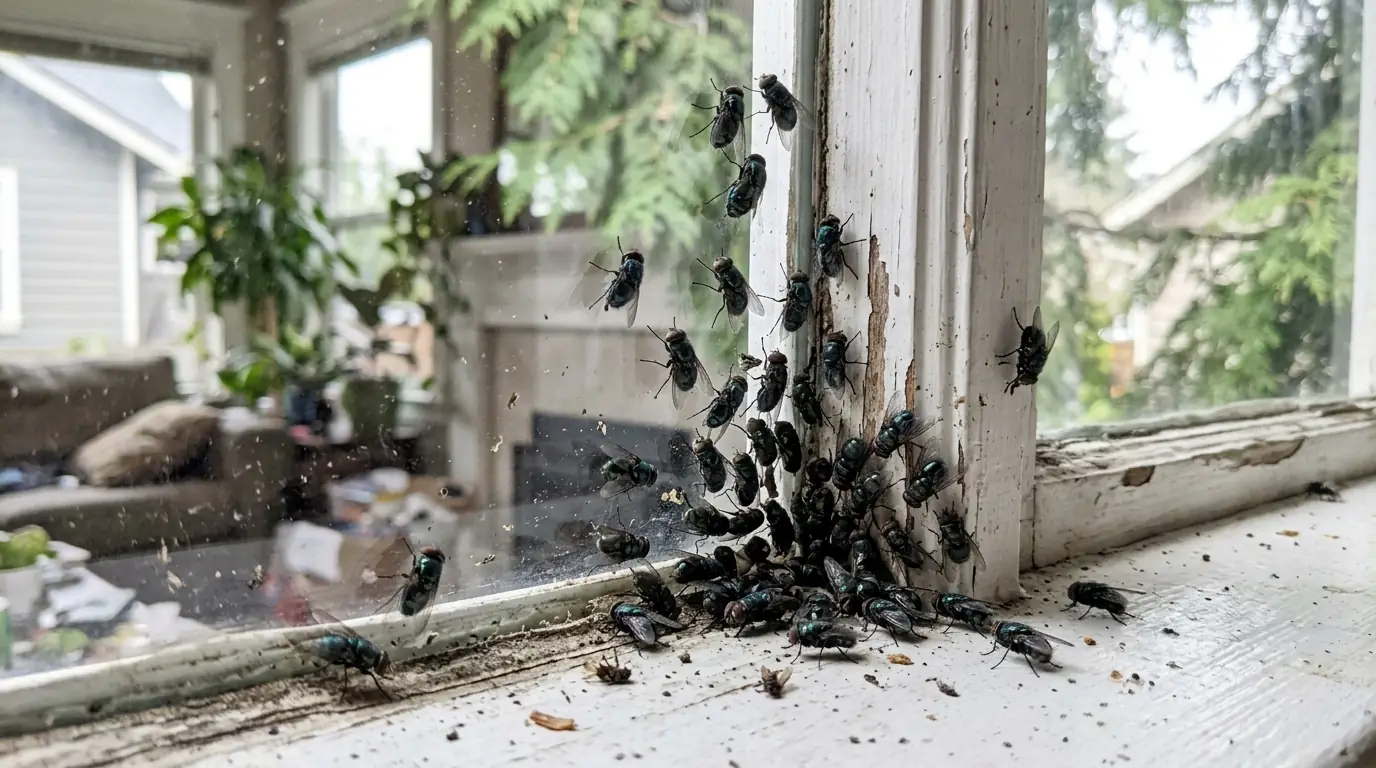
Blowflies emerge near the carcass and head for light. A cluster at a single window is a strong directional clue.
Decomposition is briefly warm, then damp; a drywall section that smells strongest at the baseboard marks a void.
If rodenticide was used recently, in your home or a neighbor's, a void death is the likely story. Tell us; it shapes the search.
Dogs and cats smell the source long before and far more precisely than people. Where the pet stares is data.
Activity that stopped overnight, followed by odor days later, usually means the animal died on its route.
The Seattle angle
Seattle's construction and its rodent pressure combine to make void deaths common. The crawl spaces beneath roughly six in ten single-family homes and the balloon-framed walls of its older housing give animals long, hidden runs, and in a metro ranked 12th nationally for rodent treatments, those runs carry steady traffic every October through February. Add the widespread use of consumer rodenticide, which frequently drops animals inside walls rather than outside, and a few hundred Seattle households are hunting a smell at any given moment.
Weather shapes the timeline. Cool, damp conditions slow decomposition and stretch the odor over weeks, while a warm spell concentrates it fast. Either way the fix is the same and does not wait well: locate, remove, neutralize, and close the route. Waiting for the smell to finish on its own means weeks of it, plus flies, and the entry stays open.
How the job runs
Where it is strongest, when it started, any recent trapping or noises. The history narrows the search.
Odor gradient, fly sign and runway mapping triangulate the spot before anything is opened.
One agreed, minimal access; the carcass leaves bagged along a protected route.
Disinfection plus enzyme treatment on the soaked materials, so the odor ends rather than fades.
The gap the animal used gets closed, and we tell you honestly if live activity remains.
Honest numbers
Pricing follows search difficulty and access more than the animal itself. A carcass visible in the crawl space is the simple end; one deep in a second-story wall void is the other. What sets the number:
You get the firm number once the location method has scoped the job, before any cutting, and the quote includes the removal, site treatment and entry seal as one figure rather than a chain of add-ons.
Make the visit count
Straight answers
You can, but with a rat it typically means two to four weeks of worsening-then-fading odor, flies breeding on the carcass, fluids soaking into materials, and the entry still open for the next animal. Removal is faster, cleaner and ends the cycle.
Method over demolition: odor gradients room to room, blowfly concentration, thermal and moisture cues on the drywall, and the building's rodent runways, which predict where animals travel and die. We agree on one small access point before cutting anything.
Decomposition odor is foul rather than toxic, but the carcass and its fluids do carry bacteria and attract flies that spread them, and droppings along the animal's route carry their own risks. That is why removal comes with disinfection, not just extraction.
Everything that dies in or under Seattle structures: rats and mice in voids and crawl spaces, squirrels and raccoons in attics and chimneys, opossums under decks and porches, and birds in vents. Larger wildlife changes the handling, not the method.
Once the carcass and treated materials are handled, the enzyme treatment breaks down remaining odor compounds within a day or two rather than masking them. Odor that had soaked deep into porous material is the one case we will warn you about on-site.
Often, yes, and we will tell you plainly either way. One animal that died on an active runway usually has company; the sign we read during the search, droppings, rub marks, fresh gnawing, tells us whether to recommend treatment or just the seal.
The smell will not fix itself. A technician is answering now.
Call (206) 944-0849
Talk to a technician
Tell us where it is strongest and when it started. We locate it, remove it, neutralize the odor and seal the way in, usually in one visit.
Call (206) 944-0849Answered 24/7 from our Seattle service office.
Find the office
Our service office sits at 1440 5th Ave in Seattle, with the head office over in Aberdeen. Calls route to a person, not a queue, any hour.