Fogging the bedroom
Total-release foggers scatter bugs deep into walls and neighboring rooms and never touch the eggs. They convert a contained problem into a building problem.
Interior Infestations
Bed bugs are beatable; what they punish is half-measures and bug bombs. Our treatment combines steam and heat where they excel, targeted applications where chemistry belongs, mattress encasements, and interception monitoring that proves the room is clear, with follow-ups included until it is.
Call (206) 944-0849 All treatments
Reviewed by Marjorie Tidwell, Pest Prevention Writer. Updated 2026-10-05.
In short: Call (206) 944-0849 with a confirmed infestation or an inspection report. We treat the sleep zone and harborage with steam, targeted applications and dust in voids, encase the mattress and box spring, install interception monitors, and return on schedule to re-treat hatch-outs until monitors read zero across consecutive checks. You sleep in your own bed the same night, by design.
What this treatment covers
Successful bed bug treatment is a sequence that respects the insect's biology, especially its eggs, which shrug off most insecticides and hatch over about two weeks. Visit one is comprehensive: the bed is stripped and its linens bagged for hot laundering; seams, frame joints, headboard and harborage crevices get steam, which kills all stages including eggs on contact; targeted residual applications go into cracks, voids and furniture joints where bugs travel; a long-lasting desiccant dust is placed inside wall voids and outlet boxes on the bed wall; and the mattress and box spring are sealed into certified encasements that trap anything inside and deny future harborage.
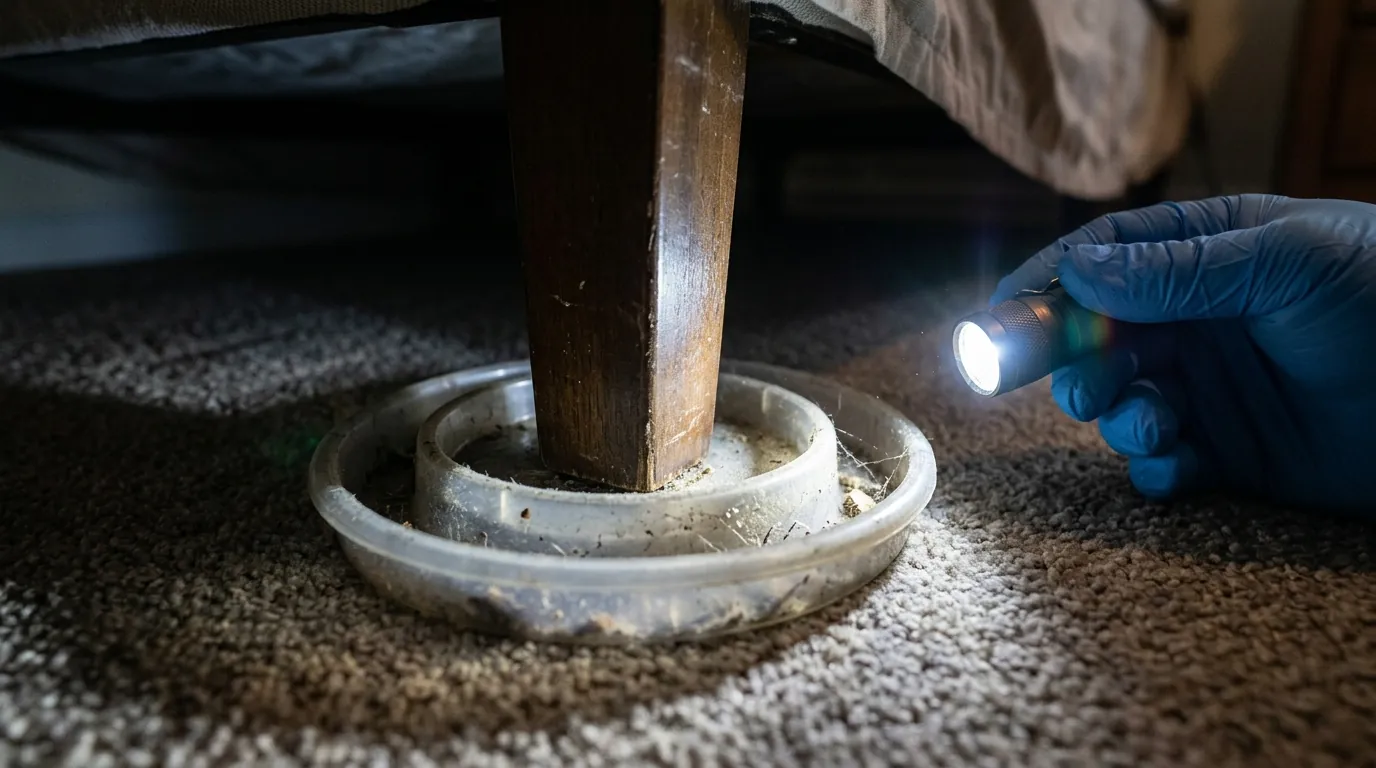
Then the protocol outlasts the eggs. Interception monitors under bed legs read activity continuously; a scheduled follow-up around the two-week mark catches the hatch-out generation on the treated surfaces and re-treats anything the monitors reveal; and the job closes only when monitors run clean across consecutive checks. That follow-up is not an upsell, it is the difference between treatment and theater, and it is included in the quoted price.
Two things we counsel against, loudly: do not throw out your mattress, because encasement saves it and a bare new mattress in an untreated room gets colonized within days; and do not sleep elsewhere in the house, because bed bugs follow carbon dioxide and a relocated sleeper drags the infestation into new rooms. You, in your encased bed, are the bait that walks them over the treatment.
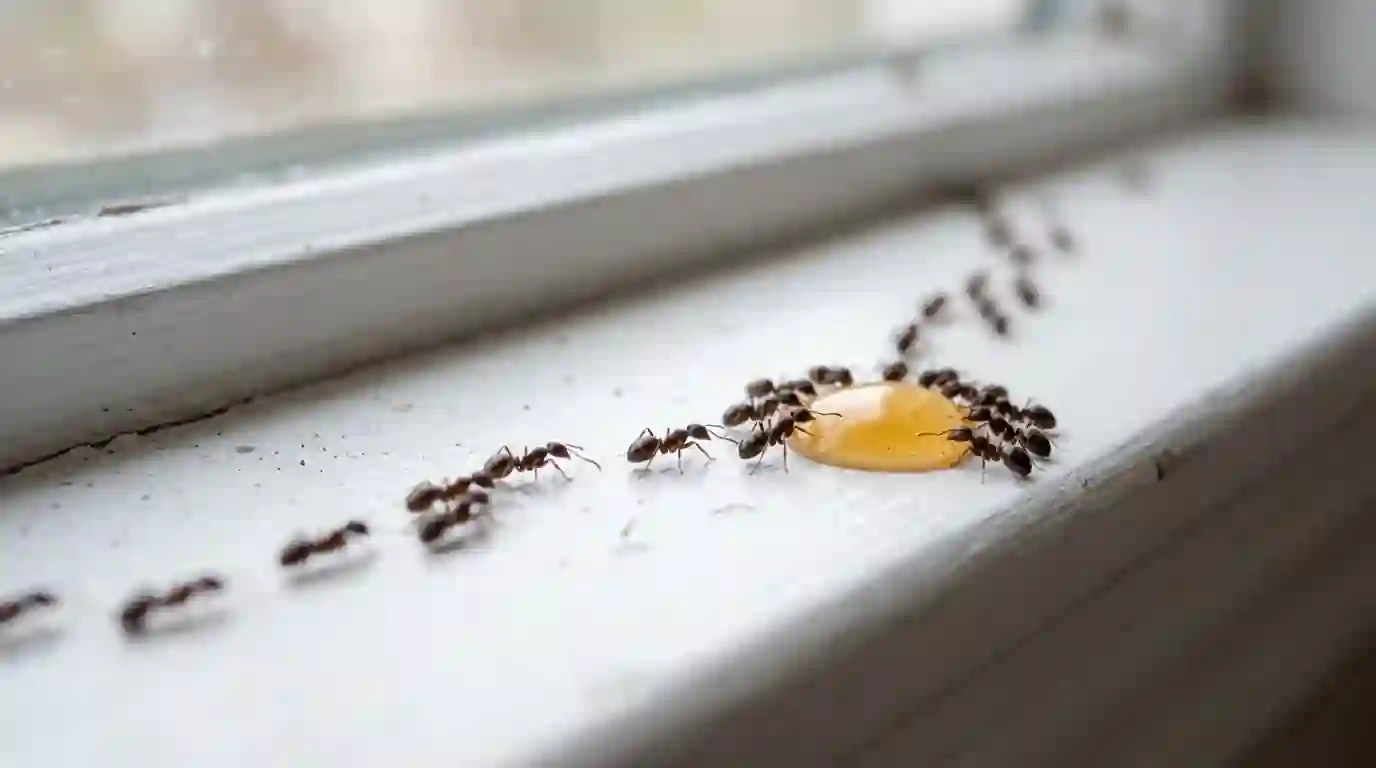
Catch it early
Total-release foggers scatter bugs deep into walls and neighboring rooms and never touch the eggs. They convert a contained problem into a building problem.
The mattress is maybe a third of the harborage; frame, headboard and wall voids keep the rest. A new mattress in the same room is restocking the pantry.
The bugs follow your breath within nights, and now the couch and a second room are infested. Stay put; the protocol is designed around it.
The egg generation hatches into the quiet second week. Infestations declared beaten at day ten are the ones we meet again at day forty.
Spot alcohol spraying is a fire risk with trivial kill rates, and consumer heat tools cannot hold lethal temperature in a mattress core.
Shared walls, outlet-to-outlet, are a bed bug corridor. Moderate infestations get the far side of the wall checked as part of scope.
The Seattle angle
The Seattle-specific good news repeats from our inspection page because it drives treatment economics: this city's infestations skew early-stage. High awareness, fast calling habits and a dense inspection culture mean most residential jobs we treat are light to moderate, a sleep zone and its immediate perimeter rather than a whole-unit saturation, and the protocol closes them reliably inside the standard follow-up window. The hard cases cluster where national rankings say they should, in multi-unit buildings with delayed reporting, which is why our multi-family coordination exists as its own service.
Local logistics help too: a mild climate means no seasonal surge to outwait, hot laundering and shared building laundry rooms are a solvable workflow rather than a barrier, and the city's used-furniture culture, the introduction route, is also an education opportunity we take on every job, two minutes on what to check before the next free couch comes inside.

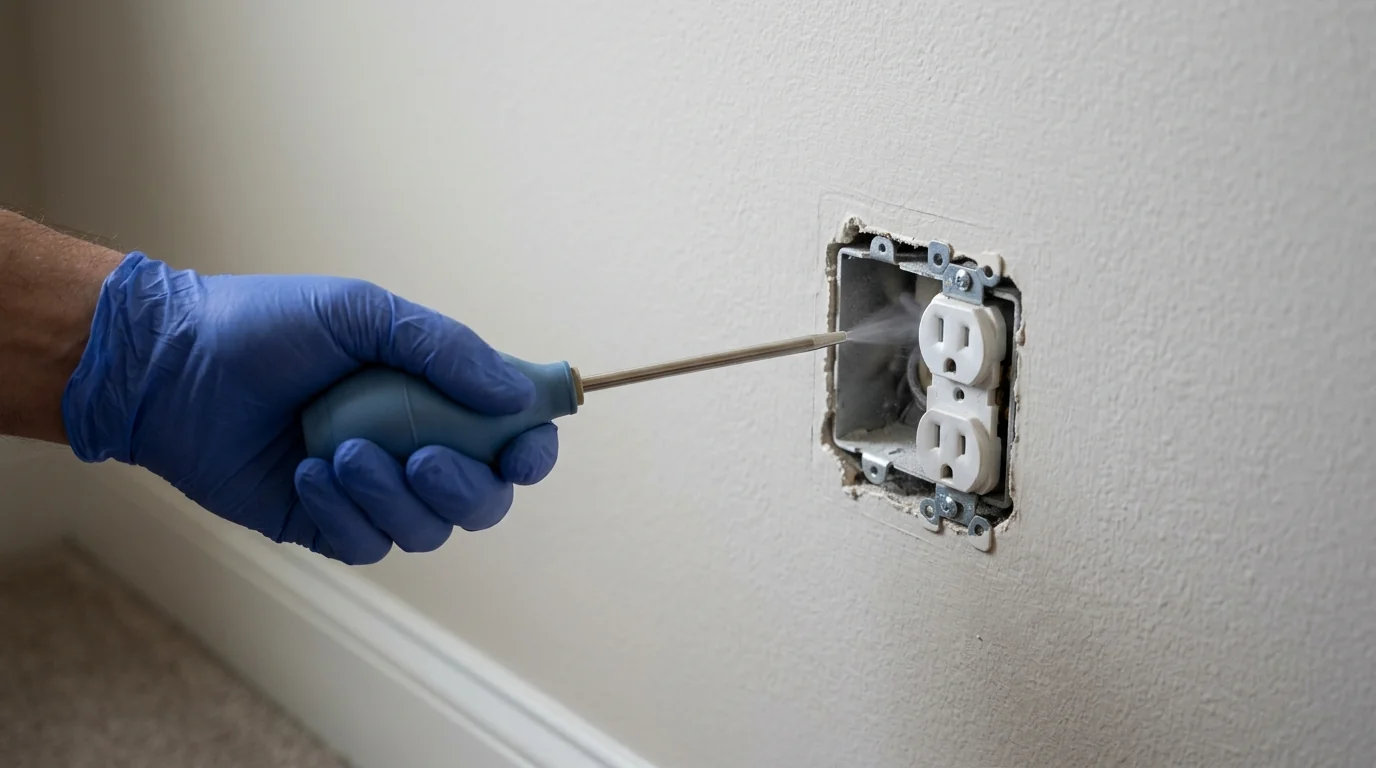
How the job runs
The inspection's infestation level sets rooms, furniture and wall-void scope; you approve it in writing.
Steam, targeted residuals, void dust, bagged linens to hot wash, encasements sealed on.
Interceptors under the bed legs read the room while the egg clock runs.
The scheduled follow-up catches the hatch-out on treated surfaces and re-treats what monitors show.
Consecutive clean monitor checks end the job; you keep the encasements and the monitors.
Honest numbers
Published figures for professional bed bug work run roughly $300 to $5,000 nationally depending on scope and method, and most Seattle single-home jobs land well below the top because infestations here skew early. What sets your quote:
The quote is written against the inspection's findings before treatment starts, follow-ups included rather than metered, and the inspection fee you already paid credits against it.
Make the visit count
Straight answers
One visit does most of the killing; the protocol does the curing. Eggs present at treatment hatch over roughly two weeks onto treated surfaces, and the included follow-up closes that generation out. Anyone promising a single-visit cure is pricing in your not calling back.
Almost never, and please do not before we see it. Steam plus certified encasements sterilizes and seals the mattress and box spring; disposal is for physically failed beds, and even then only after treatment, wrapped, so the hallway and dumpster do not seed new infestations.
Structure heat is a legitimate tool with real strengths and real costs, and for the typical early-stage Seattle infestation our steam-plus-targeted protocol reaches the same end at a fraction of the price, with residual protection heat does not leave behind. Where scope genuinely argues for structure heat, we will say so and scope it.
Out of the treated rooms during application and for a short re-entry window, yes; out of the house, no need. And the same night, you sleep in the treated, encased bed on purpose, because your presence draws survivors across treated surfaces instead of into the walls.
Laundry sorts it: anything washable goes through hot wash and dry, which is fully lethal, and sealed bins hold the clean side. Books, electronics and non-washables rarely need more than inspection and targeted attention; the everything-in-garbage-bags-forever advice online is mostly unnecessary suffering.
Numbers, not nerves: interception monitors under the bed legs read the room continuously, and the job closes on consecutive clean checks after the hatch window. You keep the monitors afterward, which is also the honest answer to every future what-if itch.
Confirmed this week? Treatment can start this week.
Call (206) 944-0849
Talk to a technician
Steam, chemistry and encasements on day one, the hatch generation closed out on schedule, and monitors proving zero. Call with your inspection result.
Call (206) 944-0849Answered 24/7 from our Seattle service office.
Find the office
Our service office sits at 1440 5th Ave in Seattle, with the head office over in Aberdeen. Calls route to a person, not a queue, any hour.