Sowbugs at the door every wet morning
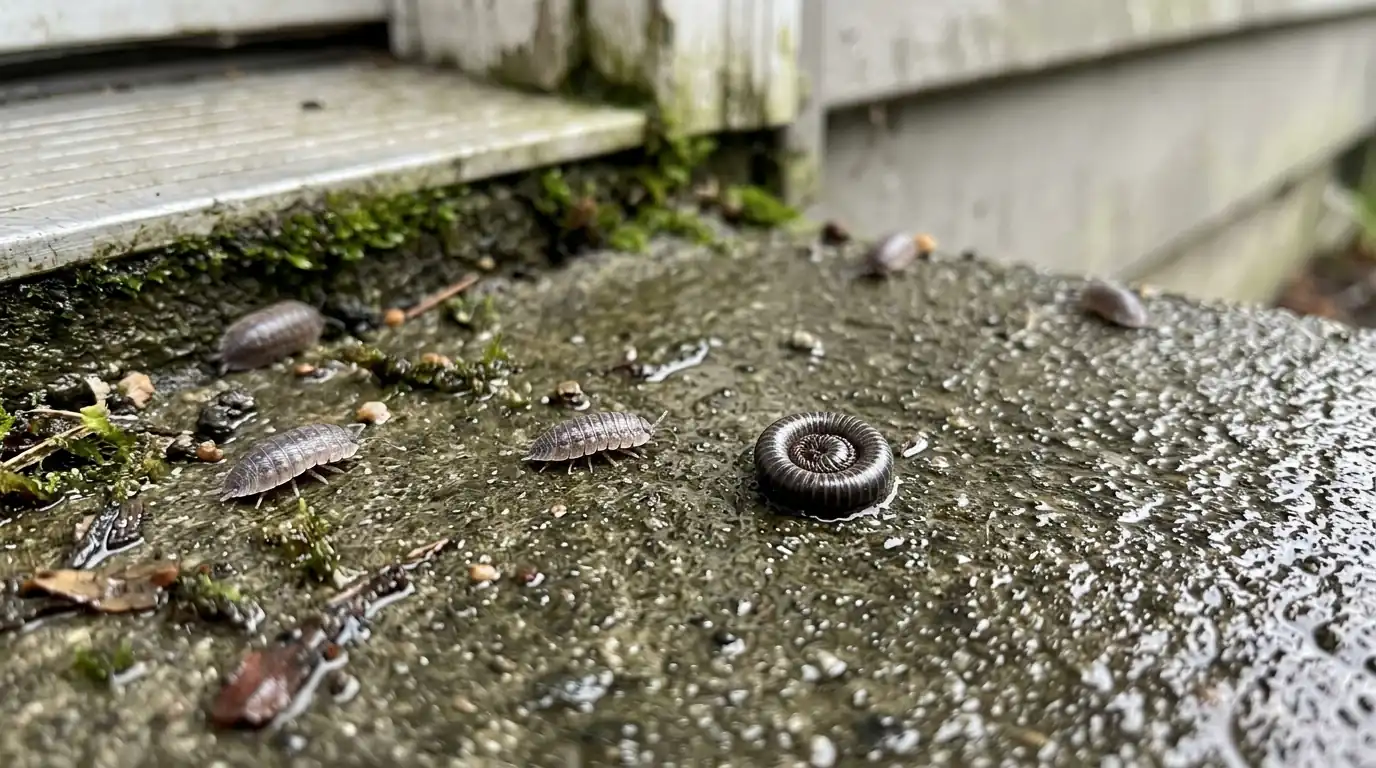
The classic Seattle walk-in: moisture-dependent crustaceans flushed from foundation mulch by rain, filing under the nearest sweep.
Spiders, Wasps & Seasonal
Every sustained rain marches a new column of sowbugs, millipedes and crickets toward Seattle doorways. None of them breed indoors or do real harm; all of them are unwelcome. We treat the perimeter band they cross, fix the moist harborage against your foundation, and seal the thresholds they file under.
Call (206) 944-0849 All treatments
Reviewed by Marjorie Tidwell, Pest Prevention Writer. Updated 2026-10-05.
In short: Call (206) 944-0849 and tell us what keeps showing up and where: sowbugs at the back door, millipedes in the garage, silverfish in the bathroom, crickets in the basement. We treat the foundation perimeter and entry zones, correct the damp mulch-and-debris harborage feeding the march, and seal sweeps and gaps. Most households see the parade stop within days.
What this treatment covers
Occasional invaders are the pests defined by not belonging indoors: sowbugs and pillbugs, millipedes, ground beetles, field crickets and springtails live in the moist leaf litter and soil of a Puget Sound yard and wander inside when weather pushes them, heavy rain flooding their harborage or a dry late-summer stretch sending them hunting moisture. Indoors they find no food and mostly desiccate within days; the problem is volume and repetition, a doorway that produces ten sowbugs every wet morning.
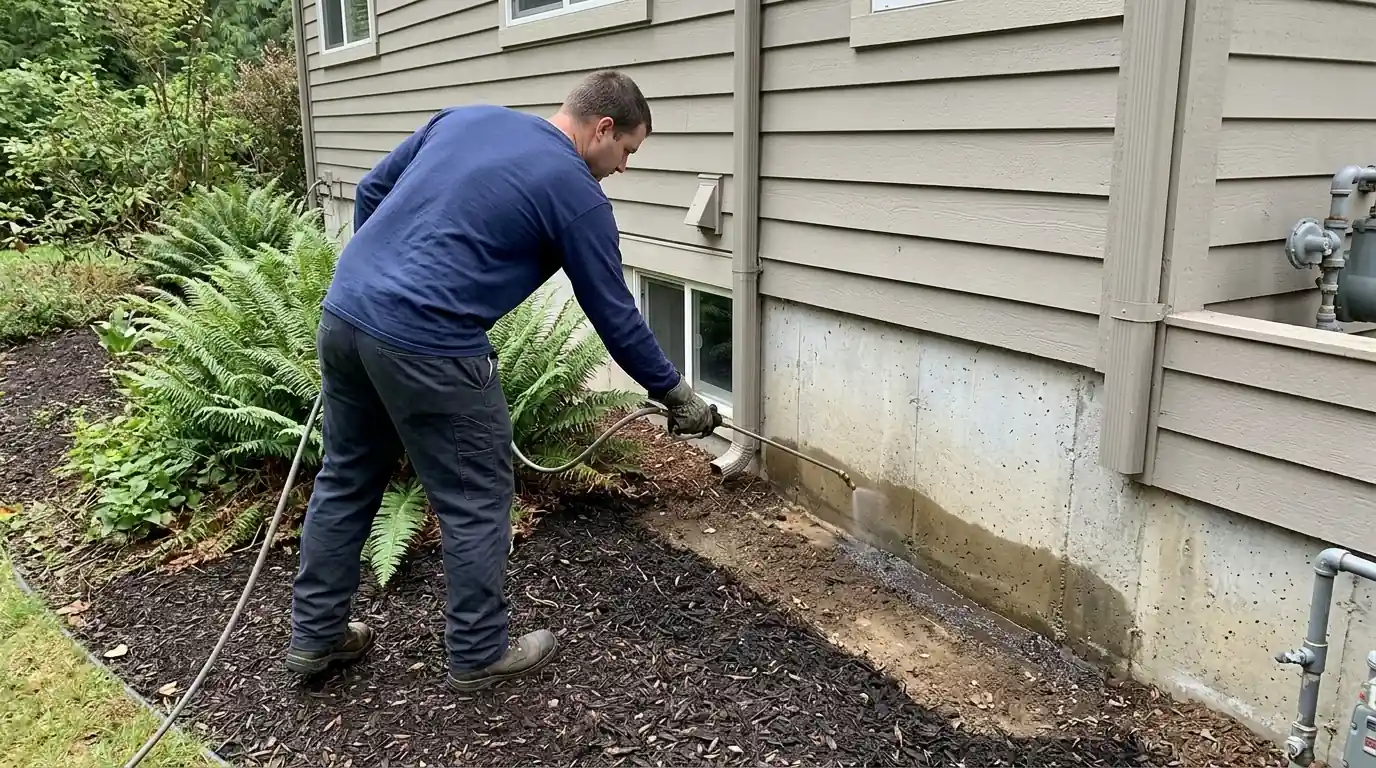
Control therefore happens at the border. A perimeter treatment lays a band along the foundation, thresholds, vents and garage edges that intercepts crossers; harborage correction pulls the party back from your walls, raking damp mulch off the foundation line, clearing leaf packs and stored lumber, fixing the downspout that keeps one corner permanently wet; and mechanical exclusion closes the actual entries, door sweeps, garage seals, foundation gaps and screen repairs. Silverfish get one extra step, since they do persist indoors in humid bathrooms and basements: targeted treatment plus a humidity conversation.
What we will not do is sell an interior spray program against insects that die indoors on their own. The honest architecture of this service is band, harborage, seal, and it is why one properly done visit holds most homes for a season.
Catch it early
The classic Seattle walk-in: moisture-dependent crustaceans flushed from foundation mulch by rain, filing under the nearest sweep.
Rain-displaced from mulch and lawns; dozens on the garage floor after a storm maps exactly where the slab meets wet soil.
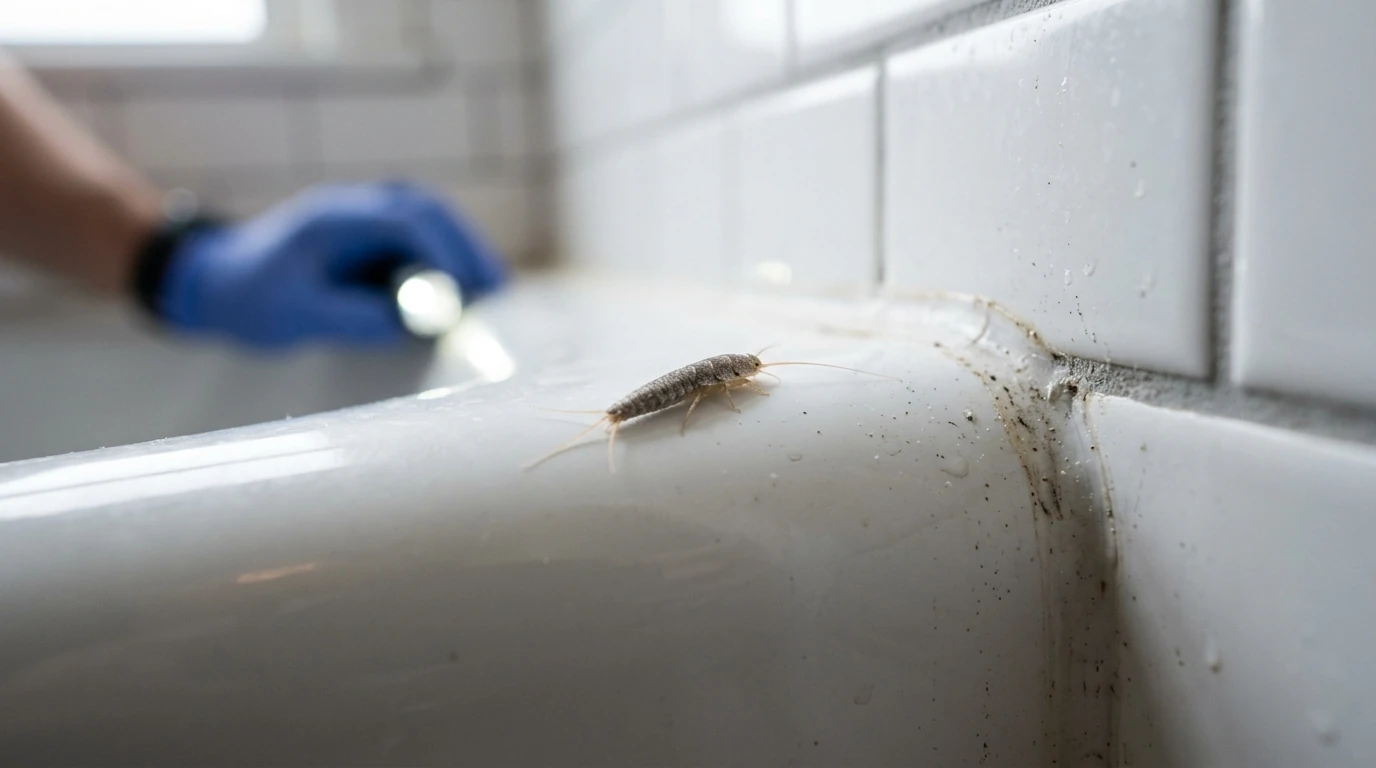
The one true indoor resident of this list: humid bathrooms, basements and bookshelf paste feed a population that persists without border pressure.
Field crickets follow warmth and light indoors each fall; a basement chorus means gaps at grade level.
Fast black beetles sheltering at thresholds are harmless predators caught commuting; their presence flags the same gaps everything else uses.
Pepper-fleck insects jumping near sinks and sills track persistent moisture; they are a humidity gauge more than a pest.
The Seattle angle
Seattle practically defines occasional-invader habitat. Around 37 inches of rain over 150 wet days keeps the soil-and-litter layer against every foundation permanently inhabited, and the landscaping style of the city, deep mulch beds, sword ferns at the wall, shaded north sides that never quite dry, builds the harborage right against the siding. When the first sustained October rains flood that layer, its residents move upslope, and upslope is your door; the same march runs in reverse during August dry spells, when moisture-seekers head for the dampest thing around, often a basement or bathroom.
The older housing stock supplies the entries: original door thresholds without modern sweeps, garage doors sealing against cracked slabs, and settled foundation gaps on homes mostly built before 1980. That is why the exclusion half of this service does so much of the lasting work here, and why our treatment calendar leans into late September, laying the band and sealing the doors just ahead of the fall flush.
How the job runs
What is appearing, where and after which weather. The pattern names the species before we arrive.
Foundation line, mulch depth, downspout corners, thresholds and the garage seal, mapped and photographed.
Perimeter treatment across the crossing zones: foundation, entries, vents and garage edges.
Mulch pulled back, leaf packs cleared, the wet-corner fix named; you get the short list with photos.
Sweeps, garage seals and gap work close the actual entries, and the fall flush breaks on them.
Honest numbers
This is honest low-end pest work, typically pricing at the bottom of the published $95 to $550 Seattle one-time band. The variables:
Most homes need one well-timed visit per year, laid down just before the fall rains, and we will say exactly that rather than slot you into a plan the problem does not justify.
Make the visit count
Straight answers
No. Sowbugs are land crustaceans that eat decaying plant matter, and millipedes do the same; indoors they find nothing to eat and dry out within days. The service exists because a parade is a parade, not because your house is at risk.
Because the rain floods their home. The litter layer against your foundation holds thousands of residents, and a saturating storm pushes them to higher, drier ground, which is wherever your thresholds are. The reverse march happens in droughts, toward your plumbing moisture.
They graze starches and sizing, so paper, wallpaper paste, photos and fabric finishes are all on the menu, slowly. Unlike the rest of this list they do persist indoors, which is why they get targeted interior treatment plus the humidity fix instead of just the border band.
No, just move the moisture line. A strip of six inches or so of drier material, gravel or bare soil, against the foundation breaks the harborage-to-threshold bridge while the beds keep their mulch. It is the cheapest structural fix in pest control.
The band is a narrow application along the structure, not a yard-wide broadcast, so the garden ecosystem beyond it carries on. We also place away from flowering plants at the wall and will walk you through every treated zone.
For most homes, yes, timed to late September ahead of the flush, because the band, the pulled-back mulch and the sealed doors each keep working. Properties hard against greenbelts or with chronically wet perimeters are the exception, and the inspection will say so honestly.
Another wet-morning parade at the door? End it this week.
Call (206) 944-0849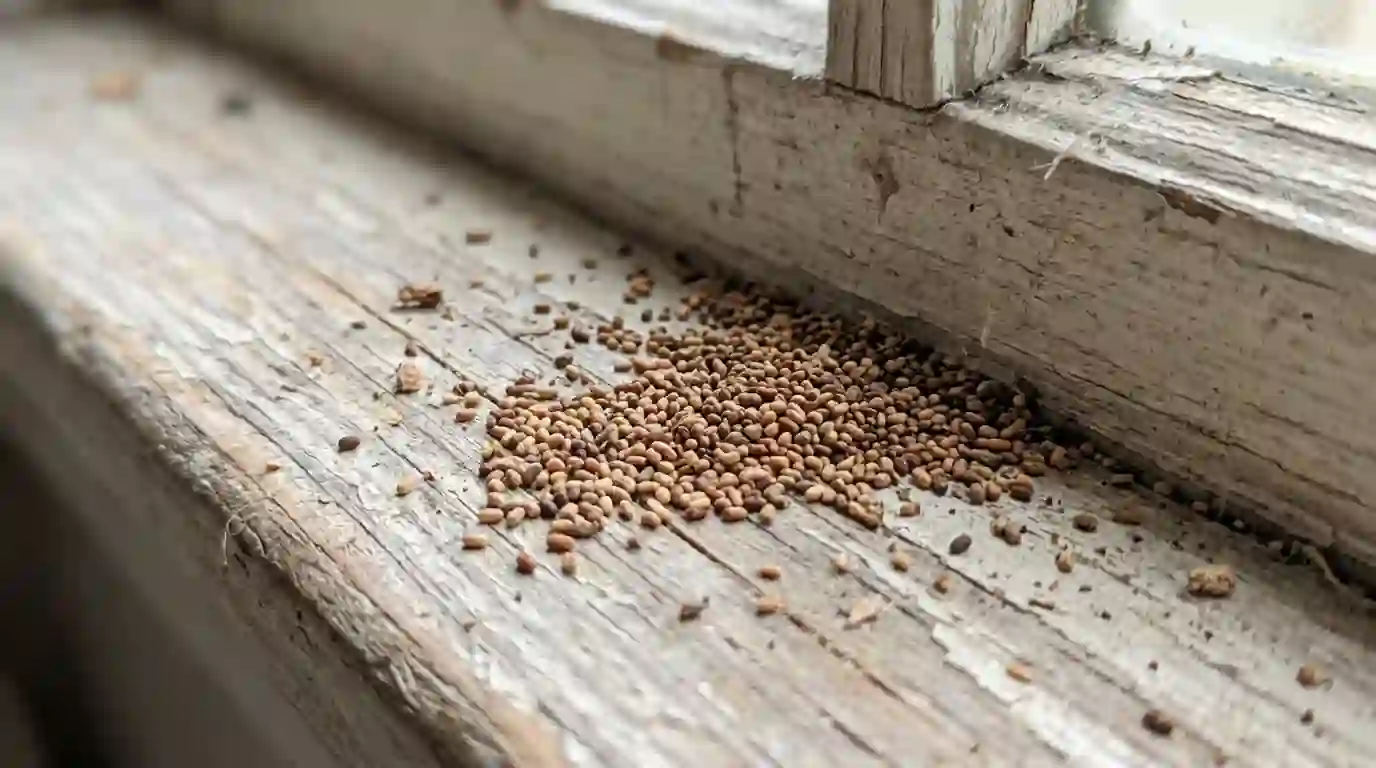
Talk to a technician
One band, one harborage fix, sealed thresholds, and the parade stops showing up. Call and we will time it to the weather.
Call (206) 944-0849Answered 24/7 from our Seattle service office.
Find the office
Our service office sits at 1440 5th Ave in Seattle, with the head office over in Aberdeen. Calls route to a person, not a queue, any hour.