Bats leaving the roofline at dusk
Bats streaming from a gable, chimney or roof edge at dusk mark a roost and its exit.
Wildlife & Exclusion
Bats are protected, valuable and not welcome in your attic. The fix is exclusion, timed right. Little brown bats and big brown bats roost in Seattle attics and wall gaps. We identify the roost and entry points, install one-way exclusion devices outside pup season, clean up guano safely, and seal the house so they roost elsewhere.
Call (206) 944-0849 All treatments
Reviewed by Marjorie Tidwell, Pest Prevention Writer. Updated 2026-10-05.
In short: Call (206) 944-0849 if you see bats leaving your roofline at dusk, find droppings below a gable, or have a bat inside the house. We locate roost and entry points, schedule one-way exclusion outside the pup season when flightless young would be trapped, safely clean guano, and seal every gap so the colony relocates.
What this treatment covers
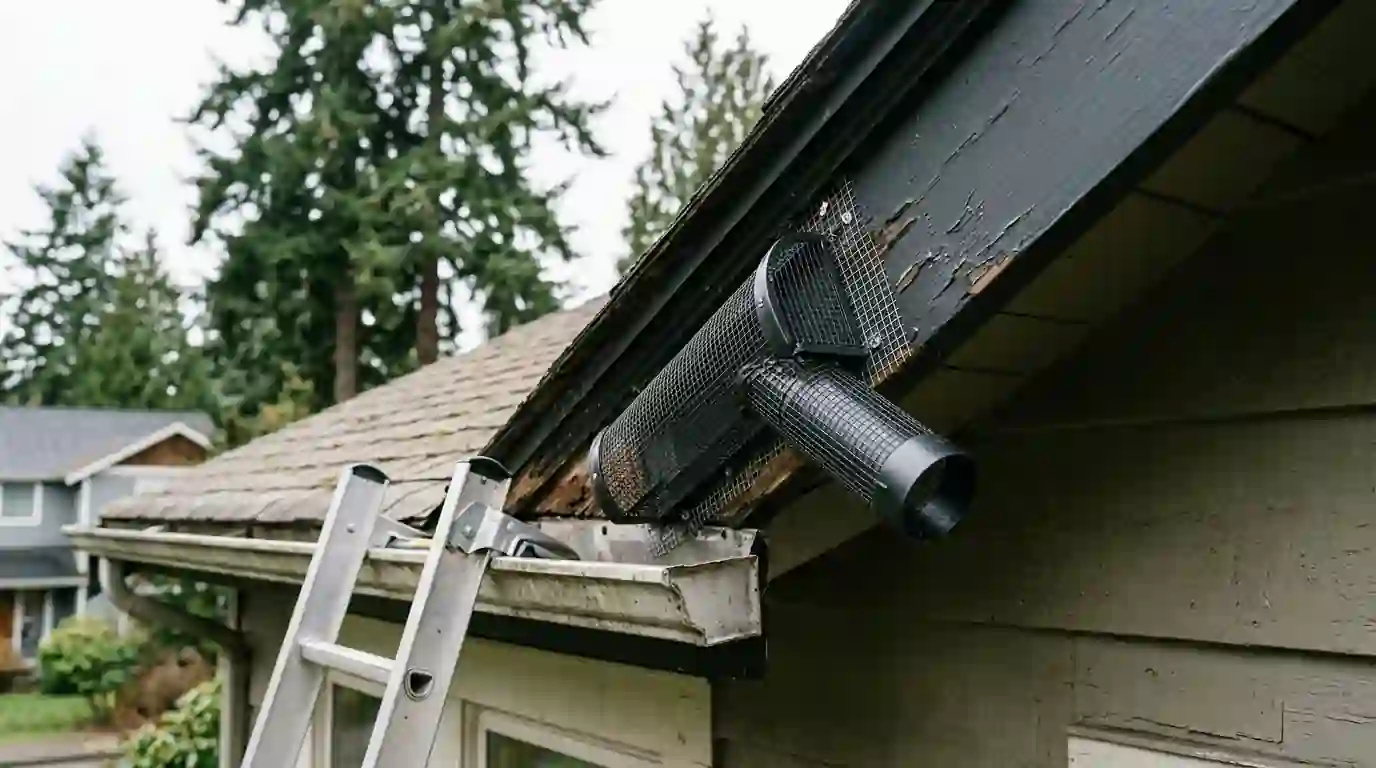
Bats are beneficial insect-eaters, and Washington's bat species are protected, so the goal is never to harm them; it is to make sure they roost somewhere other than your attic or walls. Bats use tiny gaps, often just three-eighths to half an inch, at gable vents, roofline joints, chimney flashing and siding seams. The inspection includes a dusk watch where possible, observing where bats exit, plus a daytime survey of guano staining and rub marks.
Timing is everything. In summer, colonies include flightless pups that cannot leave a roost, so exclusion during pup season would trap and kill them. Exclusion is scheduled for spring or late summer and fall, once young can fly. One-way valves or netting on the active exits let bats leave at night but not return, while every other potential gap is sealed first so they cannot simply move to a new door.
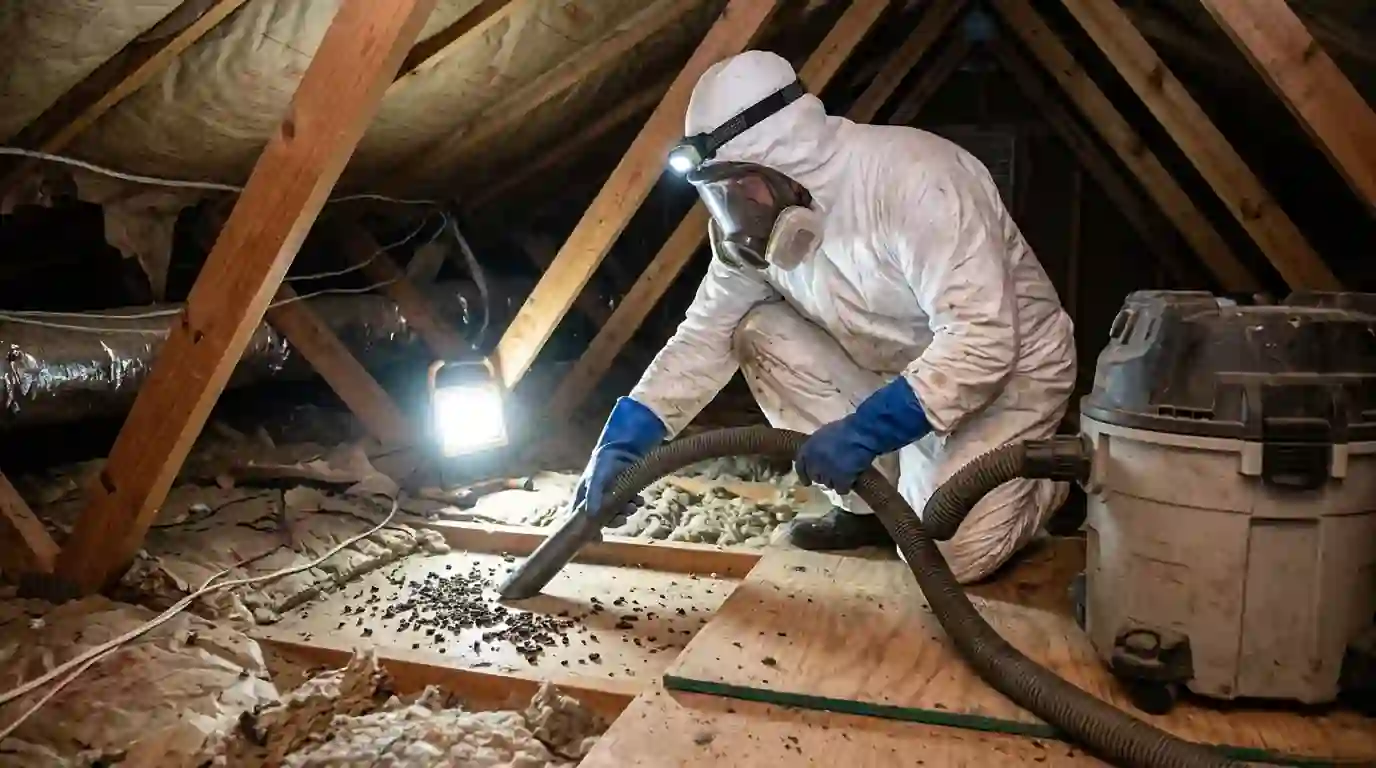
After the colony is out, cleanup follows. Bat guano can harbor fungal spores, including the fungus that causes histoplasmosis, so removal uses protective equipment and HEPA filtration. The valves come off, the final exits are sealed, and the house is closed to bats for good.
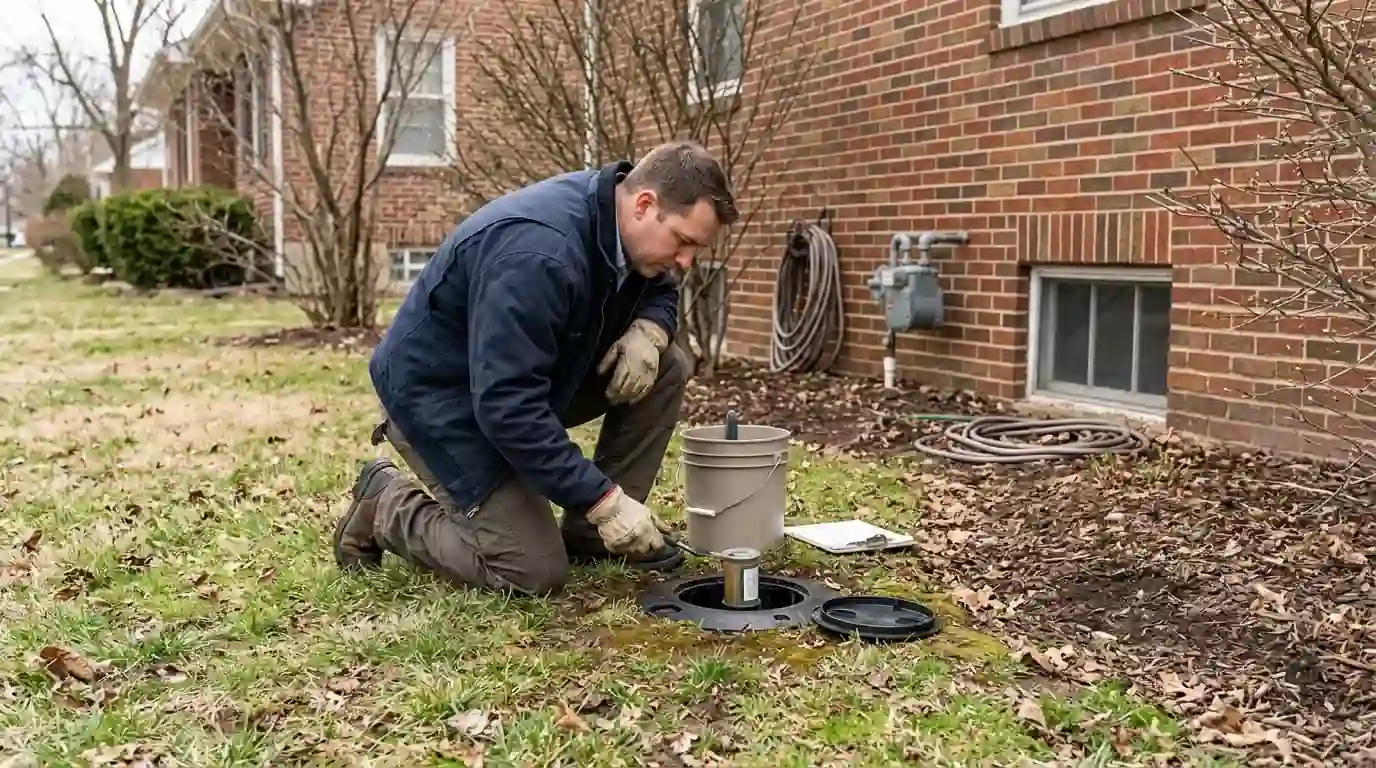
Catch it early
Bats streaming from a gable, chimney or roof edge at dusk mark a roost and its exit.
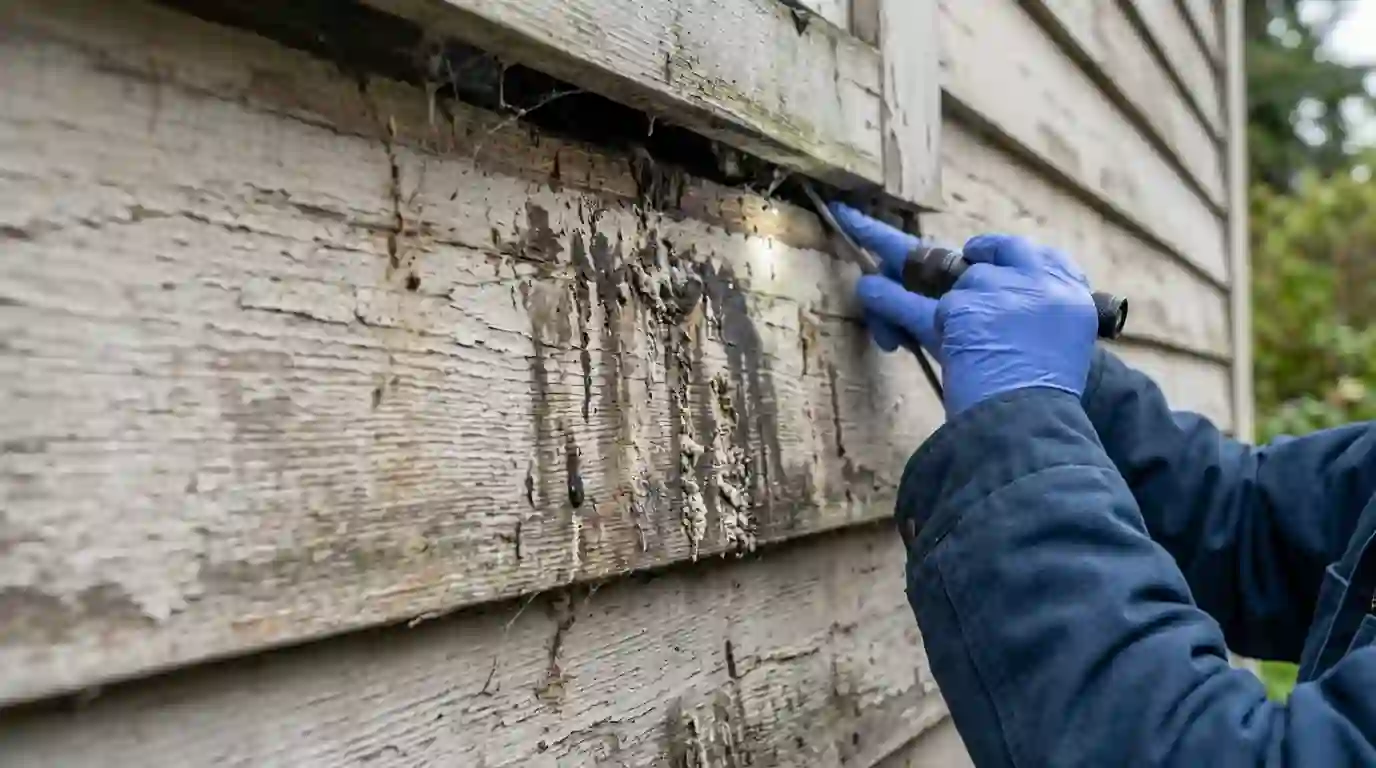
Bat guano piles or streaks below a vent or siding gap, crumbly and full of insect parts, point straight to an entry.
Oily staining around small gaps at the roofline shows repeated bat traffic.
Colonies get noisy before evening emergence, especially in summer.
Accumulated droppings in the attic mean an established roost and a cleanup job.
Bats that get indoors usually come from a roost in the house; avoid handling and call for help.
The Seattle angle
Western Washington is home to several bat species, with little brown bats and big brown bats the ones most often found in buildings. The region's abundant insects, from moths to mosquitoes near lakes and wetlands, make Seattle neighborhoods productive hunting grounds, and older homes with original gable vents, loose fascia and settled siding offer plenty of small gaps for roosting.
Washington's protection of bats and simple biology both shape our schedule: summer pup season is off limits for exclusion, so many Seattle jobs begin with an inspection in summer and exclusion in late summer or fall. Done properly, the colony relocates to natural roosts, the house is sealed, and the cleanup removes the health risk guano carries.
How the job runs
Dusk exits, guano or a bat indoors; indoor bats get urgent attention.
Dusk watch and daytime survey map every exit and potential entry.
Every non-active gap is closed first so bats cannot shift exits.
One-way valves let the colony leave and not return.
Protective guano cleanup, valves removed, final exits sealed.
Honest numbers
Bat exclusion is mostly roofline sealing work, so the quote follows the survey. What sets the number:
Because timing matters, the quote includes the seasonal schedule as well as the price. Cleanup and insulation work are itemized separately.
Make the visit count
Straight answers
Not during pup season. Flightless young cannot leave, so exclusion then would trap them in the walls. We schedule exclusion for spring or late summer and fall, and seal what we can before then.
Bats are not aggressive, but a small number can carry rabies, and guano can harbor histoplasmosis spores. Never handle a bat with bare hands, and if anyone may have had contact with a bat, seek public health or medical advice.
Close interior doors to confine it, open a window to the outside, turn off lights and let it find its way out. If it cannot, or if anyone was asleep in the room, call us and seek public health guidance.
Many bats can squeeze through openings about half an inch wide. That is why exclusion seals small roofline gaps that rodents might ignore.
Not into a properly sealed house. Bats return to familiar roosts, so the final sealing after exclusion is what keeps the colony from moving back in.
Accumulated guano can soil insulation and carry fungal spores, so cleanup is recommended. We do it with protective equipment and HEPA filtration.
Bats at the roofline? Book the survey before the season closes.
Call (206) 944-0849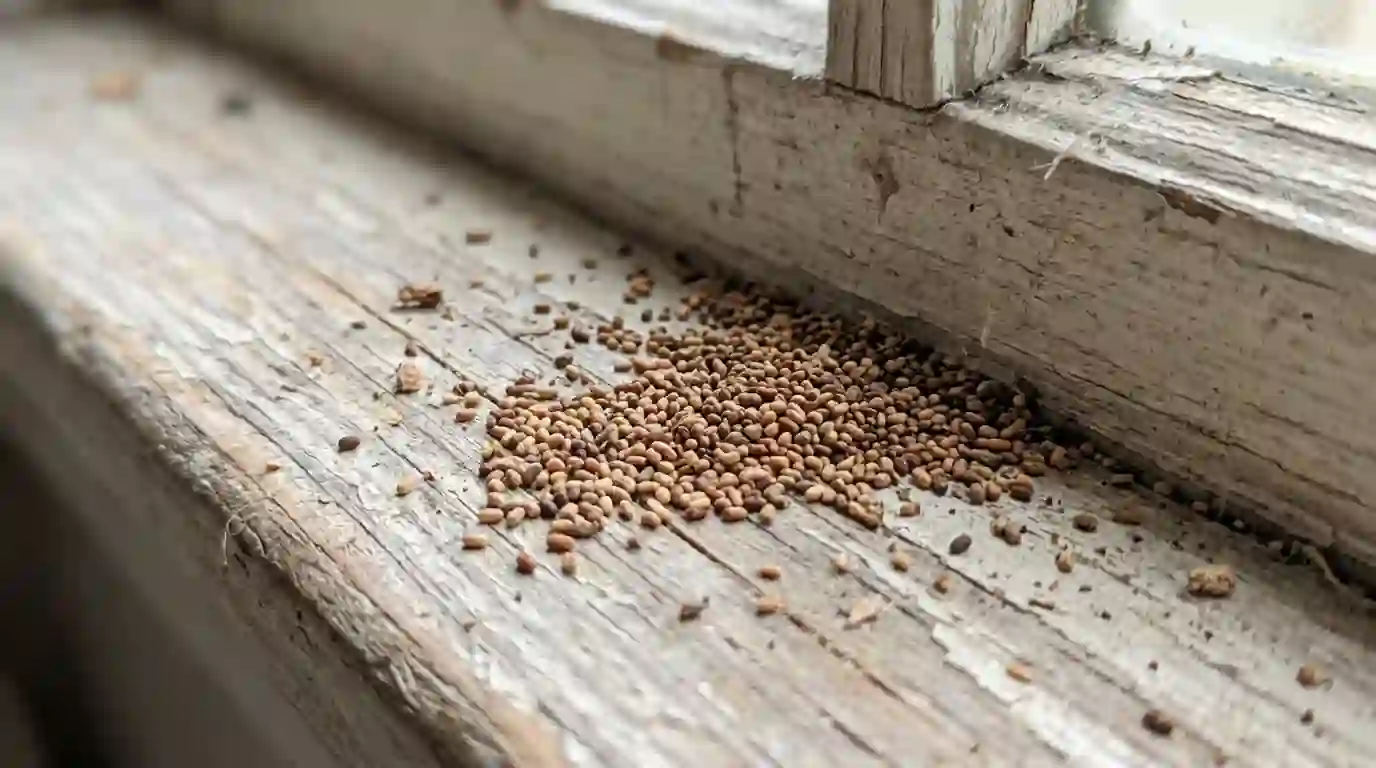
Talk to a technician
Survey, seasonal timing, one-way valves, safe cleanup and final sealing. Call any hour, especially if a bat is inside.
Call (206) 944-0849Answered 24/7 from our Seattle service office.
Find the office
Our service office sits at 1440 5th Ave in Seattle, with the head office over in Aberdeen. Calls route to a person, not a queue, any hour.