Earwigs under the doormat
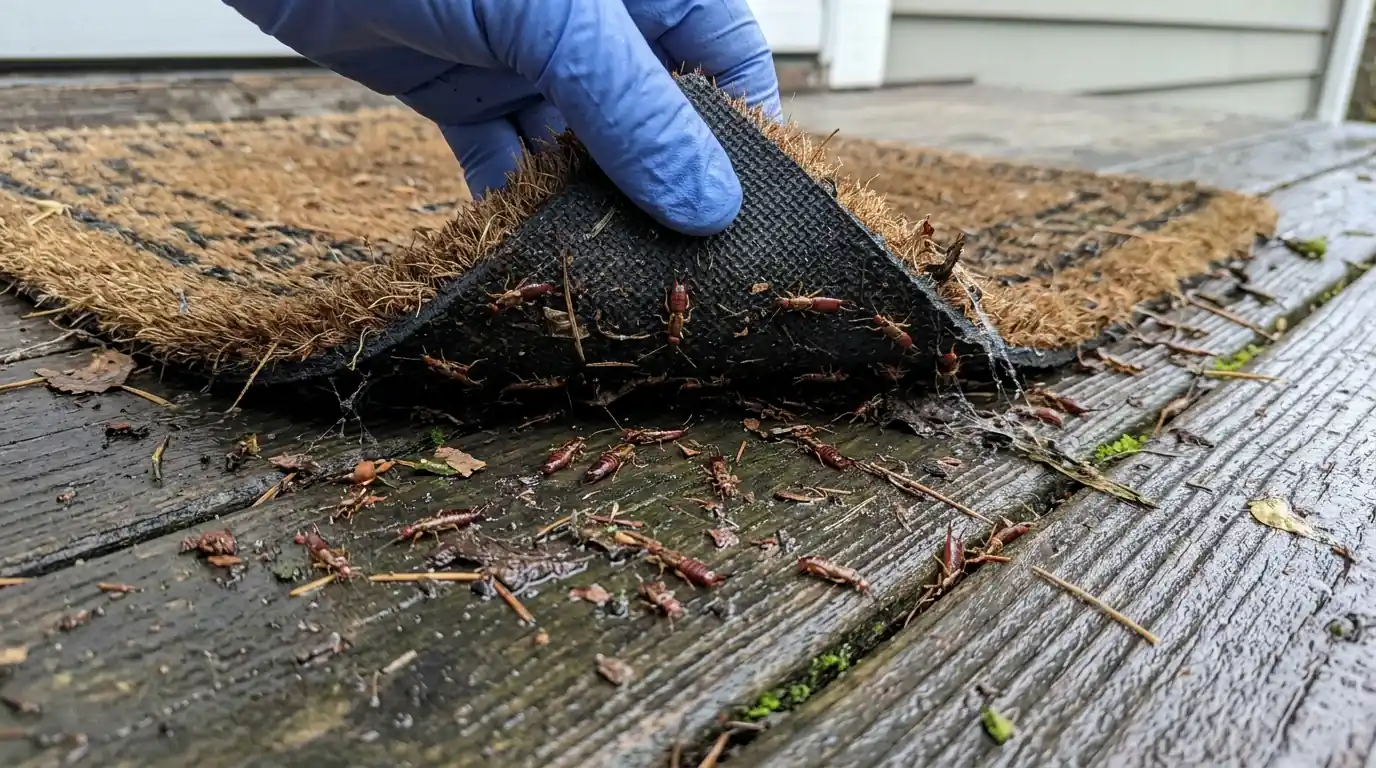
Doormats and pots by doors trap moisture and shelter earwigs right at the threshold.
Spiders, Wasps & Seasonal
Earwigs love the cool, damp conditions Seattle gardens provide. European earwigs hide under mulch, boards and pots by day and wander inside at night, especially into bathrooms and basements. We reduce the moisture and shelter they need, treat the perimeter, and seal the gaps they use.
Call (206) 944-0849 All treatments
Reviewed by Marjorie Tidwell, Pest Prevention Writer. Updated 2026-10-05.
In short: Call (206) 944-0849 if earwigs are showing up indoors, under doormats, in bathrooms and basements, or chewing seedlings and flowers. We find the outdoor harborage, recommend moisture and mulch fixes, treat the foundation perimeter, and seal door thresholds and gaps so they stay outside.
What this treatment covers
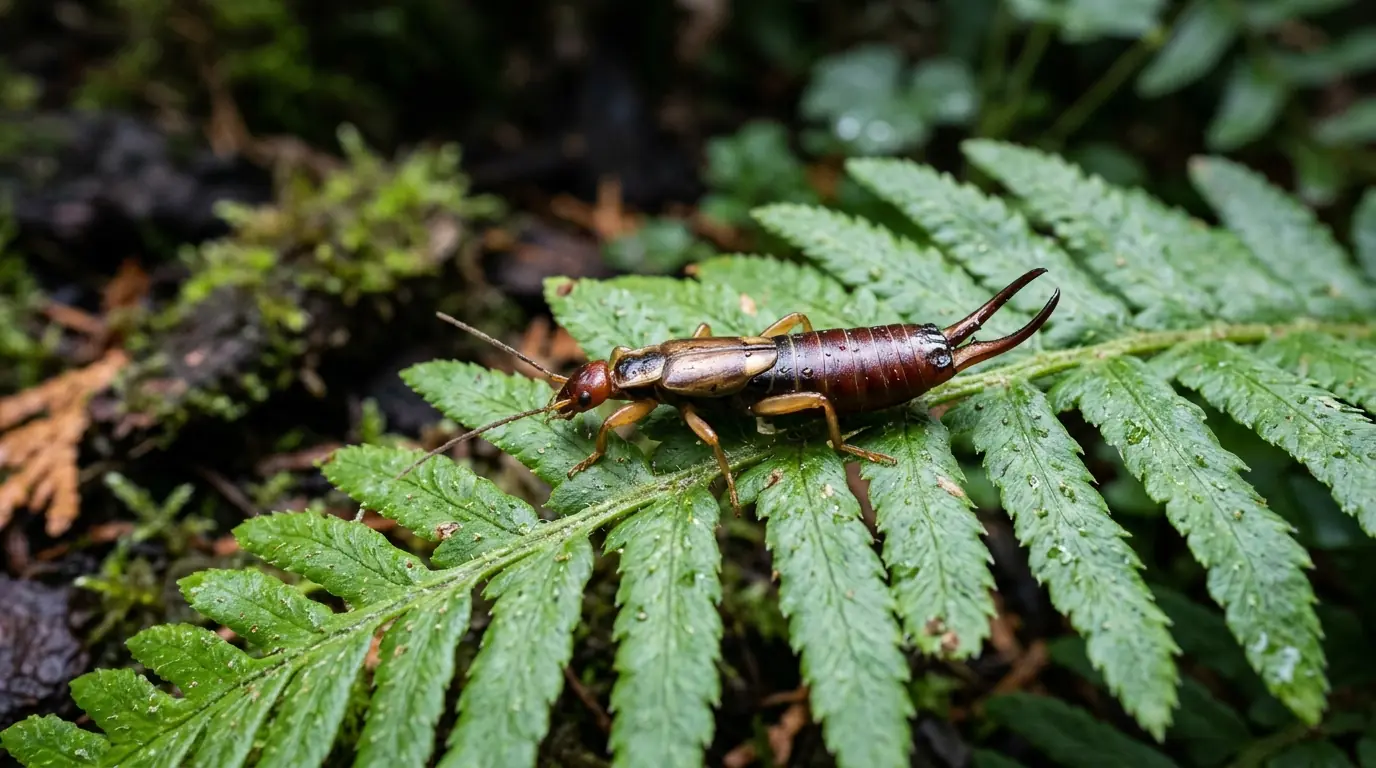
The European earwig is common across the Pacific Northwest. It is easy to recognize by the pincers at the end of its abdomen, which look alarming but are harmless to people. Earwigs feed on decaying plant matter, small insects and tender plants, and they hide by day in moist, dark places such as mulch, leaf litter, boards, pots and the gaps under doormats.
They come indoors mostly by accident, following moisture and shelter at night, and end up in bathrooms, laundry rooms, basements and kitchens. Indoors they do not breed or cause damage, but they can be startling in large numbers.
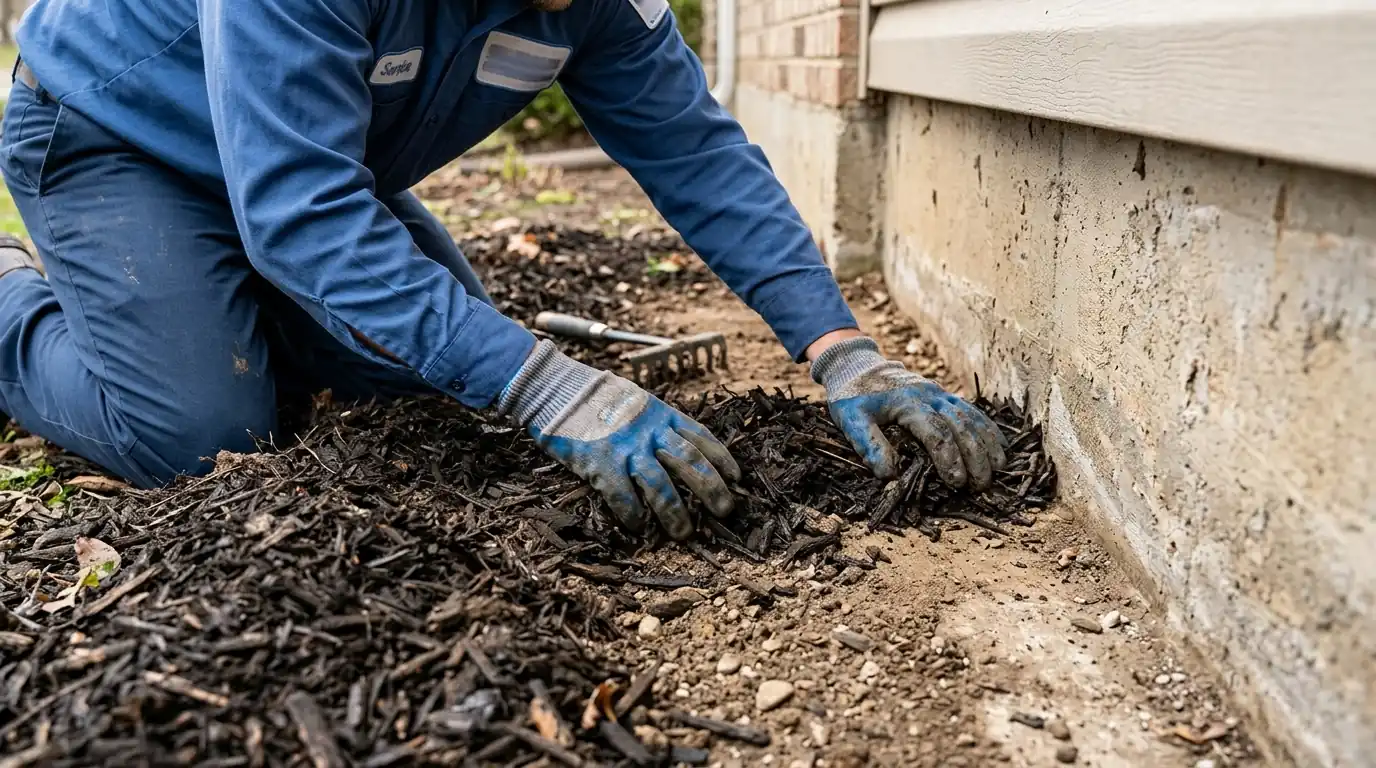
Control focuses on the outdoor edge of the house. We identify where earwigs are sheltering, recommend pulling mulch back from the foundation, fixing leaks and drainage, and removing boards and debris near the house. Then we treat the perimeter and seal door sweeps, thresholds and gaps so fewer make it inside.
Catch it early
Doormats and pots by doors trap moisture and shelter earwigs right at the threshold.
Bathrooms and laundry rooms attract them with moisture.
Earwigs chew tender leaves and flowers at night.
Lifting mulch or boards reveals dozens hiding by day.
Wet weather pushes them to find drier shelter indoors.
Cushions, umbrellas and stored pots shelter them close to the house.
The Seattle angle
Seattle's mild, damp climate and love of deep mulch beds, ferns and shaded gardens give earwigs ideal habitat. Populations build through spring and summer and often peak in late summer, when they are most visible in gardens and around doors.
Many Seattle homes have mulch and plantings right against the foundation, plus older door thresholds without modern sweeps. Creating a drier strip along the foundation and sealing thresholds dramatically reduces how many earwigs make it inside.
How the job runs
Where they show up indoors and where they hide outside.
Mulch, pots, boards and damp areas near the foundation checked.
Moisture and mulch recommendations to dry the foundation line.
Foundation and entry points treated.
Sweeps and thresholds sealed so fewer get inside.
Honest numbers
Earwig work usually sits at the low end of Seattle's published $95 to $550 one-time range. What moves the price:
Most homes need one visit plus the moisture and mulch changes. Properties with heavy garden pressure may prefer seasonal perimeter service.
Make the visit count
Straight answers
Rarely. Their pincers are mostly used for defense and mating and are not a real danger.
That is a myth. They are no more likely to go into ears than any other insect.
No. They wander in but do not breed or establish indoors.
Both. They eat aphids and decaying matter but also chew seedlings and flowers.
Keep a dry strip along the foundation, fix leaks, and seal door thresholds.
Late spring through fall, especially in damp weather.
Earwigs in the bathroom again? Fix the edge outside.
Call (206) 944-0849
Talk to a technician
Drier foundation edges, a treated perimeter and sealed doors. Call and tell us where they are showing up.
Call (206) 944-0849Answered 24/7 from our Seattle service office.
Find the office
Our service office sits at 1440 5th Ave in Seattle, with the head office over in Aberdeen. Calls route to a person, not a queue, any hour.