Repeat complaints from one stack
Units above and below each other reporting pests point to a shared plumbing or wall route.
Commercial & Plans
In a building, one unit's problem quickly becomes everyone's problem. We run pest programs for apartment buildings, condos and managed portfolios: scheduled common-area service, unit-by-unit response, turnover inspections, and reports managers can share with owners and tenants.
Call (206) 944-0849 All treatments
Reviewed by Marjorie Tidwell, Pest Prevention Writer. Updated 2026-10-05.
In short: Call (206) 944-0849 to set up a building program. We survey the property, common areas, trash rooms, basements, roofs and a sample of units, then set a schedule for common-area service, a fast process for tenant complaints, turnover inspections between residents and building-wide protocols for bed bugs, cockroaches and rodents. Reports after every visit keep managers and owners informed.
What this treatment covers
Multi-family pest control works best when it treats the building as one system. Rodents travel through basements, trash rooms and wall chases; German cockroaches move between kitchens through plumbing runs; bed bugs spread unit to unit through shared walls and hallways. A program that only responds to individual complaints keeps chasing the same problem from apartment to apartment.
We start with a building survey and set up a scheduled common-area program covering trash rooms, basements, garages, laundry rooms, exteriors and roofs, with rodent stations and exclusion work where needed. Tenant complaints are handled through a clear process: the manager reports a unit, we inspect, and if activity is confirmed we inspect adjacent units, above, below and to each side, because that is where infestations spread first.
Turnover inspections between residents catch problems before a new tenant moves in. Every visit produces a written report by unit and area, and we can provide tenant preparation notices for bed bug and cockroach treatments, which makes coordination smoother for managers and residents alike.
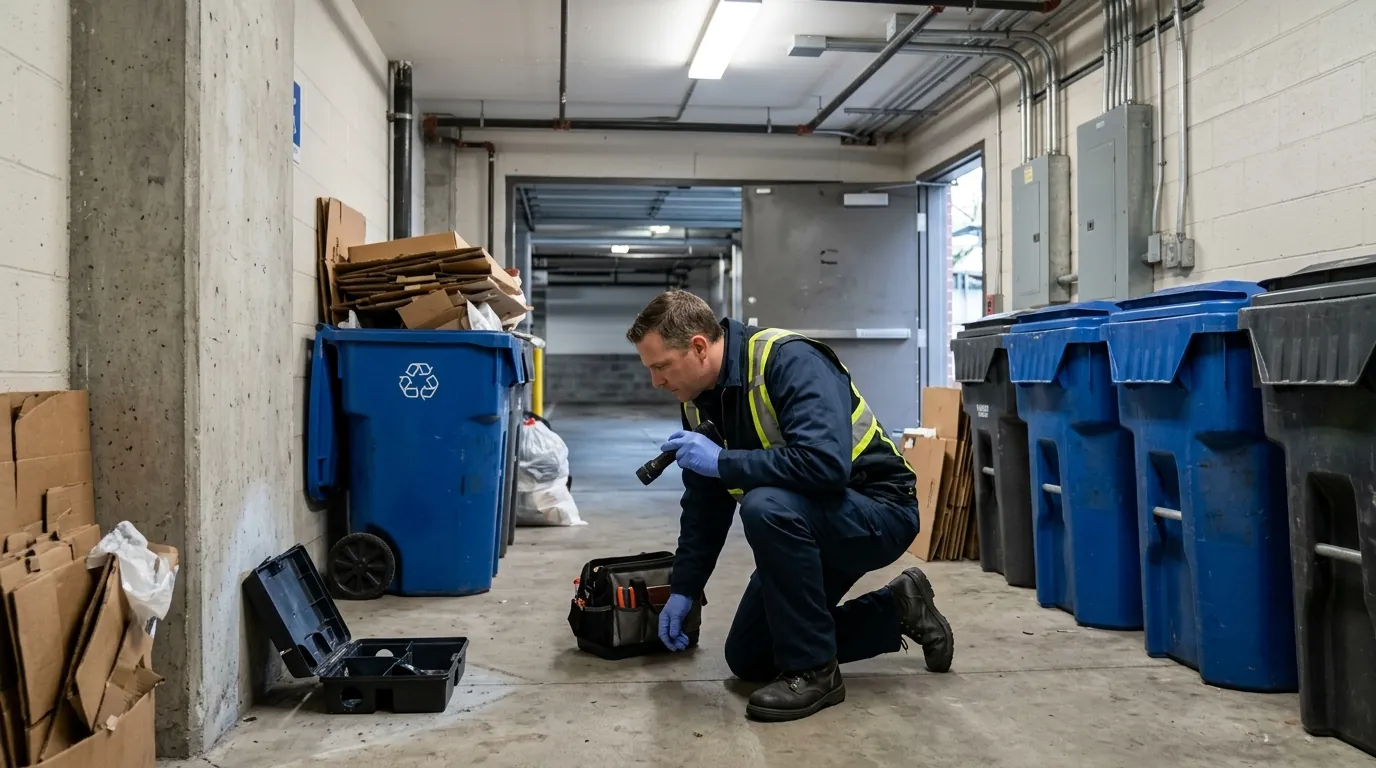
Catch it early
Units above and below each other reporting pests point to a shared plumbing or wall route.
German cockroaches across several units need a coordinated building approach.
Adjacent units should be inspected whenever one unit is confirmed.
Shared waste areas feed rodents that later move into walls and units.
Pigeons nesting on balconies and roof equipment create droppings and complaints.
New tenants finding pests in their first week often means a missed issue at turnover.
The Seattle angle
Seattle has a large and growing share of renters, with dense apartment and condo buildings across Capitol Hill, Belltown, the U District, Ballard and South Lake Union, plus older walk-ups and courtyard buildings throughout the city. Older buildings bring shared plumbing chases, aging trash chutes and basements with years of gaps, while newer buildings concentrate many units on shared systems and garages.
University turnover each summer and frequent tenant changes increase the risk of bed bugs arriving with furniture and luggage. A building program with turnover inspections and fast, coordinated unit response keeps those introductions from becoming building-wide problems, and the written reports give owners and managers a clear record.
How the job runs
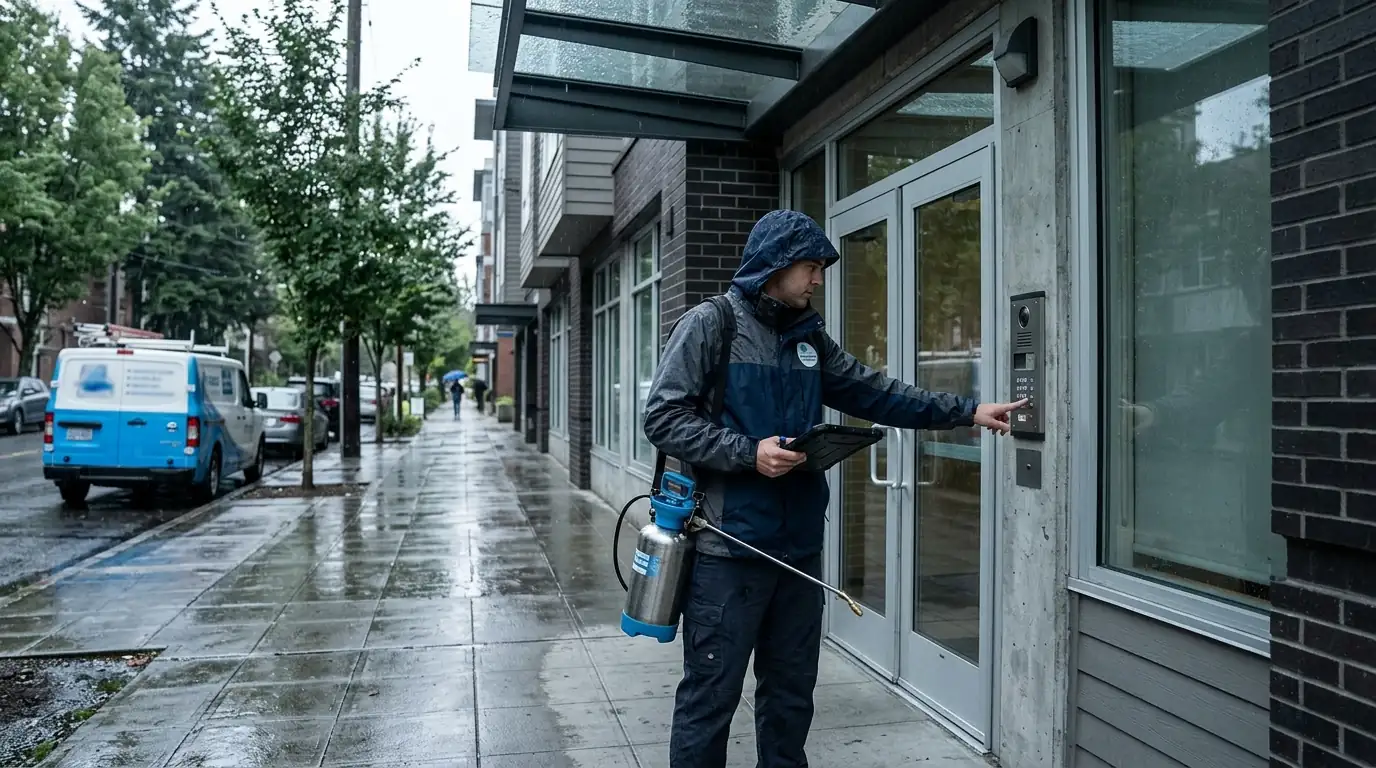
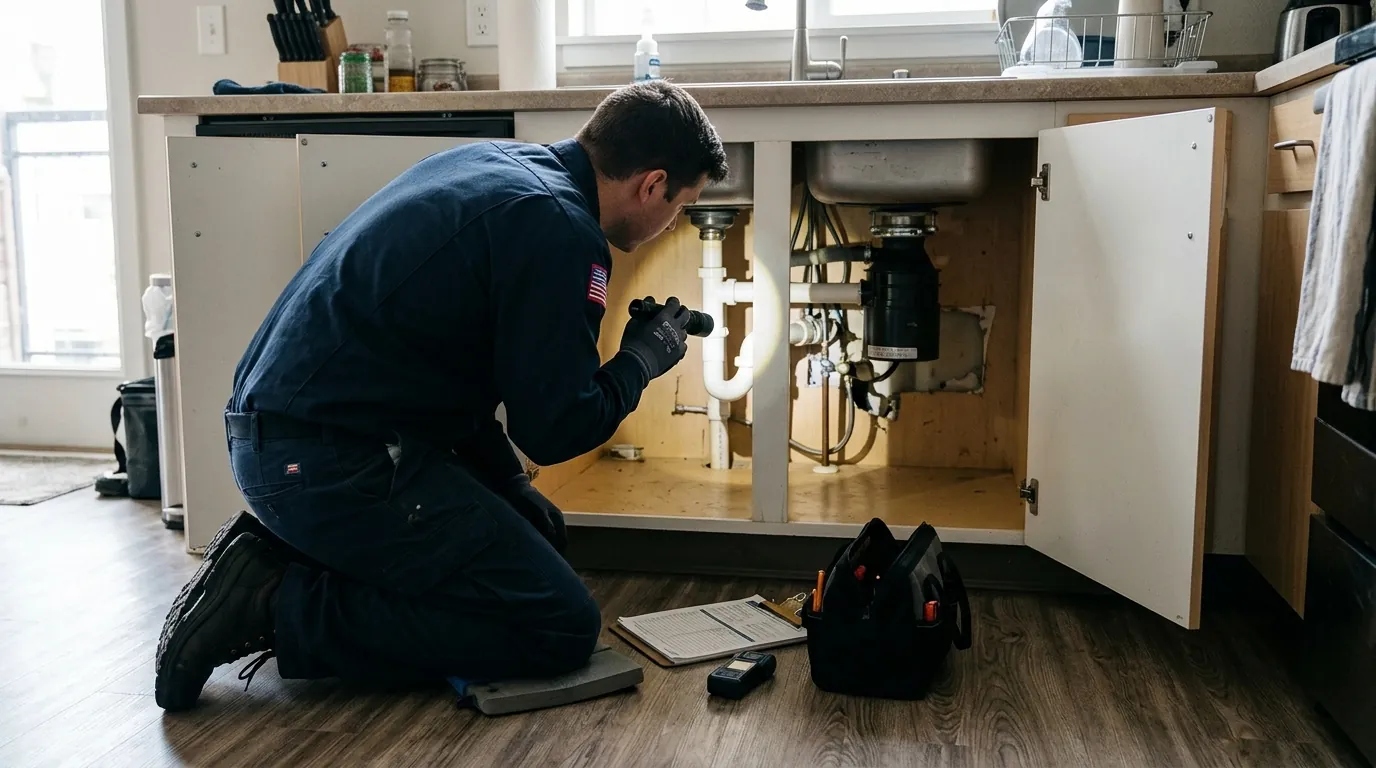
Common areas, exterior and a sample of units inspected and mapped.
Common-area frequency, complaint process and turnover protocol agreed.
Stations, exclusion and treatment in shared spaces on schedule.
Confirmed units treated, adjacent units inspected, tenants given prep notices.
Reports by unit and area, with trend reviews for managers and owners.
Honest numbers
Building programs are quoted per property after the survey, with unit treatments priced separately so managers can budget clearly. What sets the price:
Most managers prefer a fixed common-area price plus a per-unit schedule for treatments and inspections; we put both in writing so there are no surprises.
| Common-area program | Unit response | |
|---|---|---|
| Covers | Trash rooms, basements, garages, exterior | Individual units and adjacent units |
| Schedule | Monthly or quarterly | On manager request |
| Includes | Stations, exclusion, treatment, reports | Inspection, treatment, prep notices, reports |
| Pricing | Fixed per visit or month | Per-unit schedule |
Make the visit count
Straight answers
Bed bugs and cockroaches commonly spread to units that share walls, floors or plumbing. Inspecting neighbors catches spread early and avoids treating the same problem repeatedly.
Yes. For bed bug and cockroach treatments we provide clear preparation notices that managers can send to tenants ahead of the visit.
Yes. Turnover inspections between residents catch pests before a new tenant moves in, which reduces complaints and disputes.
Every visit produces a written report by unit and common area, with findings, actions and recommendations you can share with owners.
Trash rooms and garages are core common-area service: stations, exclusion, sanitation findings and follow-up on a schedule.
Yes. Portfolio managers can have one program with consistent standards and reporting across properties in our coverage area.
Complaints from one stack? Call and we will inspect the neighbors too.
Call (206) 944-0849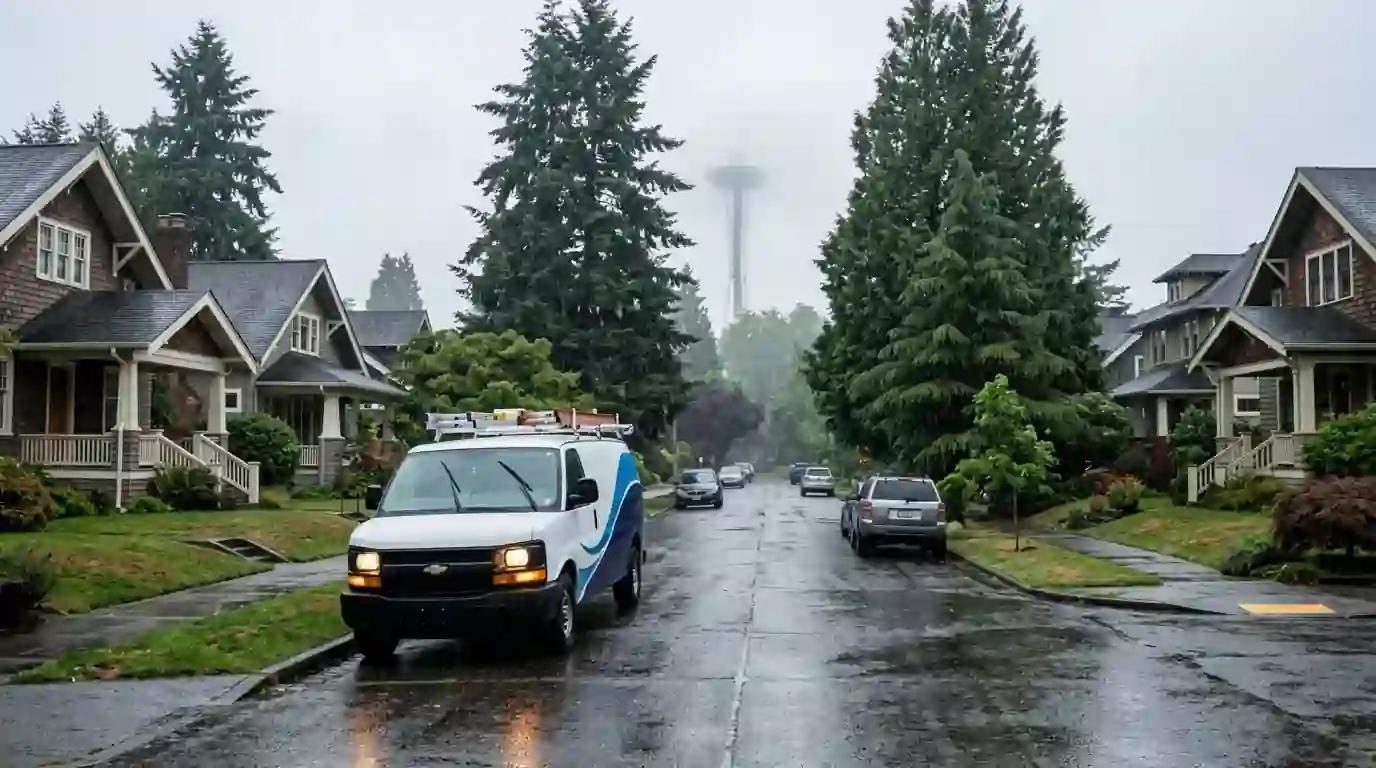
Talk to a technician
Common-area service, fast unit response, turnover inspections and reports owners can read. Call to book a building survey.
Call (206) 944-0849Answered 24/7 from our Seattle service office.
Find the office
Our service office sits at 1440 5th Ave in Seattle, with the head office over in Aberdeen. Calls route to a person, not a queue, any hour.