Stains on the ceiling below
Yellow-brown ceiling stains with no plumbing above are often urine wicking through insulation into the drywall.
Rodents
Roof rats and squirrels leave Seattle attics soiled, tunneled and under-insulated. After the animals are out, we take out what they left: droppings, nesting, urine-soaked insulation. Then the attic is sanitized, deodorized and re-insulated, so the room above your ceiling stops being the problem you smell but never see.
Call (206) 944-0849 All treatments
Reviewed by Marjorie Tidwell, Pest Prevention Writer. Updated 2026-10-05.
In short: Call (206) 944-0849 for an attic assessment. We photograph the contamination and insulation state, quote removal, sanitizing and re-insulation in one written number, then clear the soiled material under HEPA filtration, treat the space, and blow in fresh insulation. Most attics are done in a day.
What this treatment covers
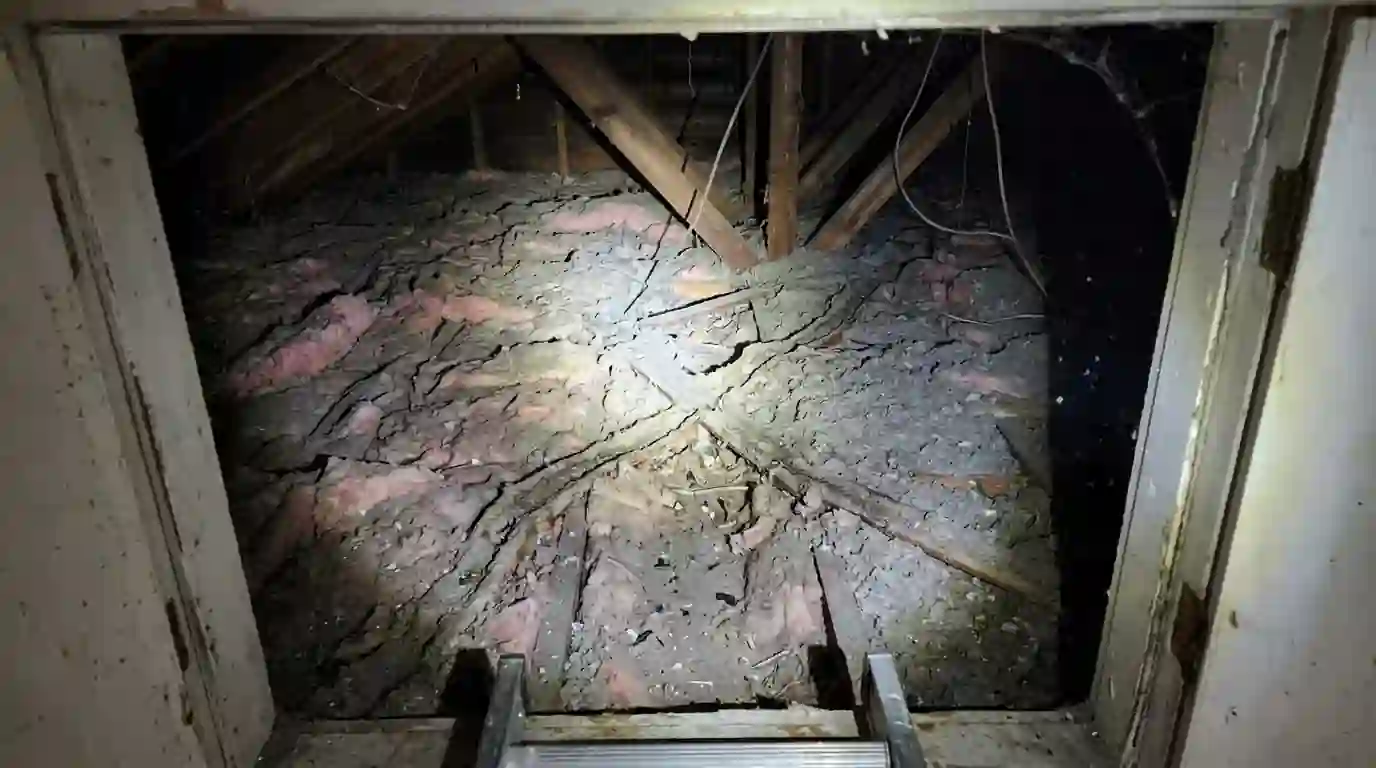
Attic contamination hides in plain sight because nobody goes up there. Roof rats, mice and squirrels tunnel through loose-fill insulation, compacting runways, caching food and saturating material with urine; the insulation keeps its surface look while losing R-value and holding odor. The assessment maps the damage with photos, including the entry points above the eaves that let the animals in, which we coordinate with exclusion so cleanup is not an annual event.
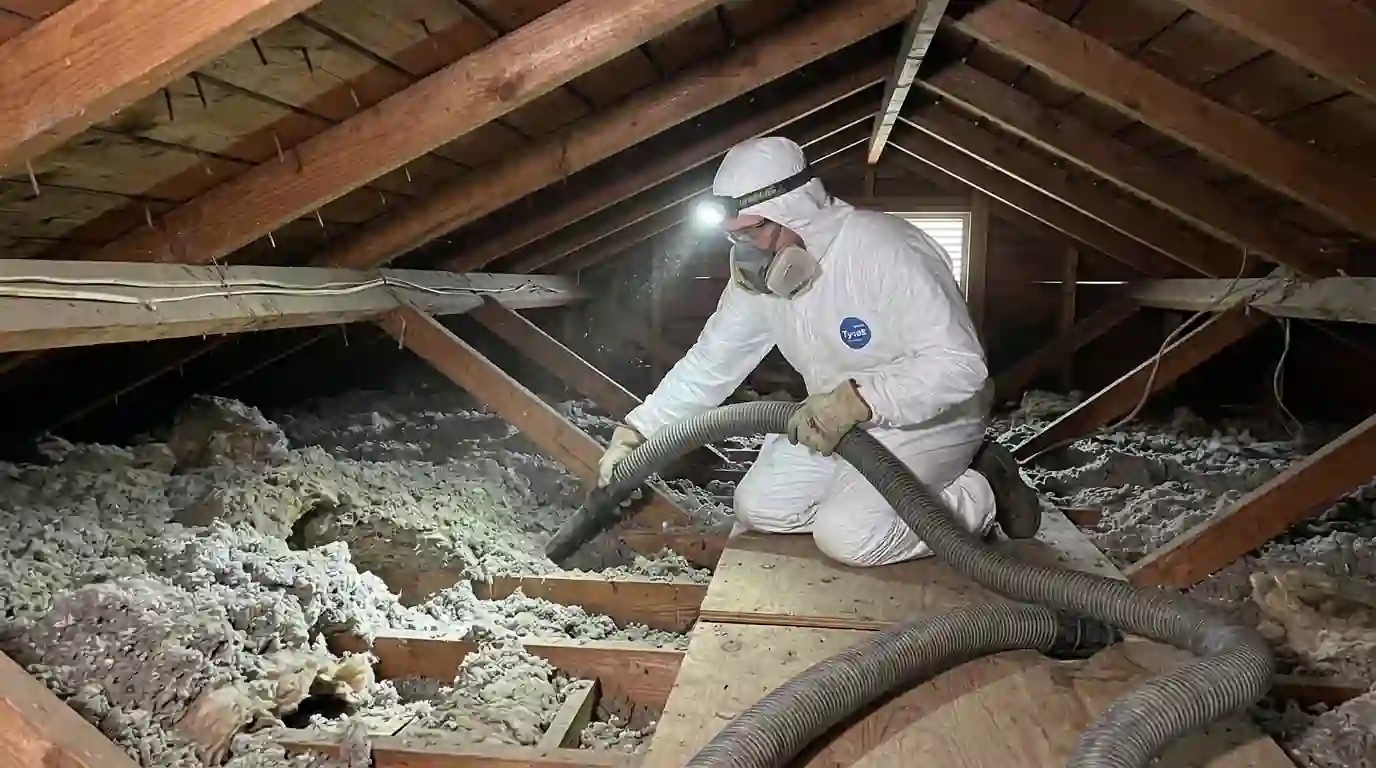
Removal is done under negative-pressure HEPA filtration with suited technicians, the same airborne-hazard logic that governs crawl space work: dried rodent waste should never be swept, and squirrel and rat nesting can carry parasites besides. Soiled insulation is bagged and removed through the access, not through your hallway; we contain the route.
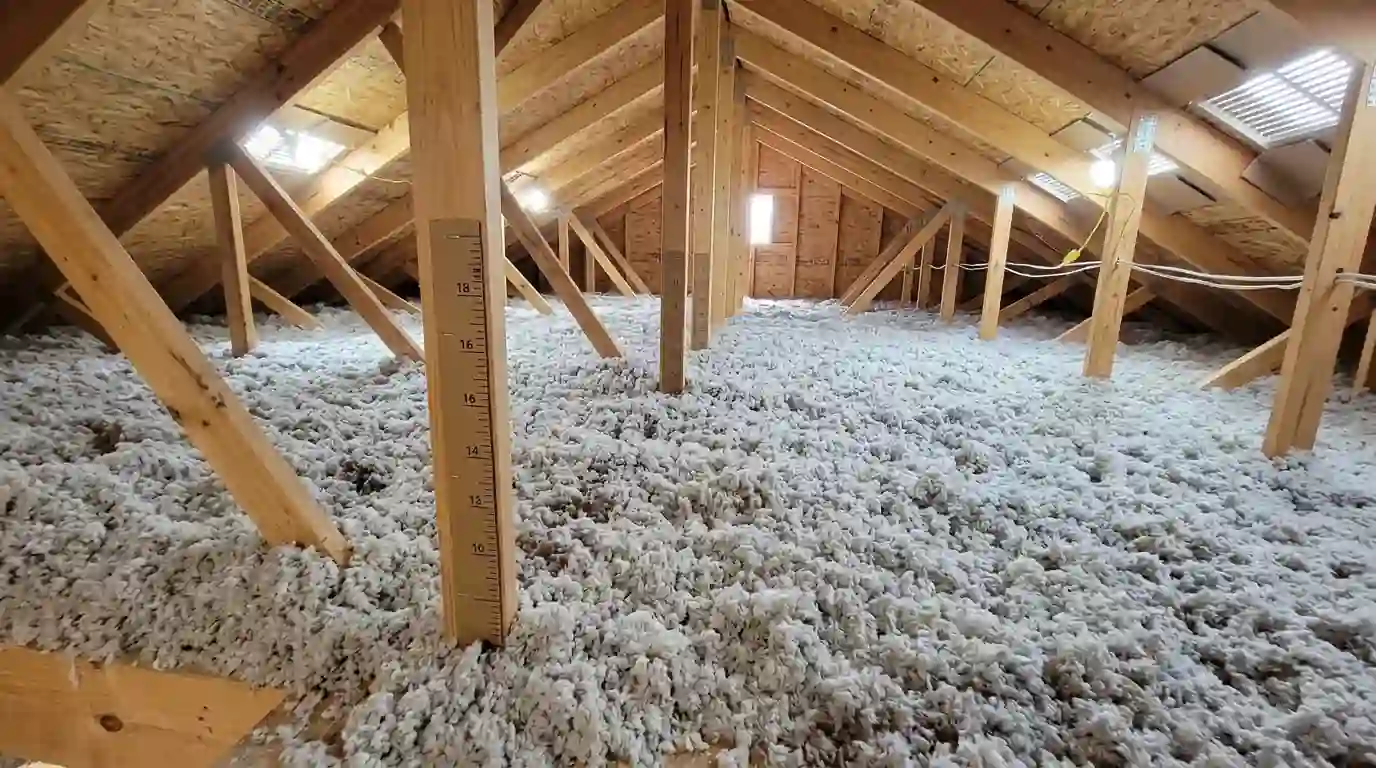
Sanitizing and deodorizing follow, with antimicrobial treatment across the decking and framing and enzyme-based odor neutralization where urine has penetrated wood. Then fresh insulation is installed, blown-in or batts to match the house, restoring the attic to proper depth. Many owners end up better insulated than before the animals arrived, which shows up on the heating bill.
Catch it early
Yellow-brown ceiling stains with no plumbing above are often urine wicking through insulation into the drywall.
Activity that went quiet without treatment usually means the animals moved on seasonally, and the contamination stayed.
Attics heat up and push air down through fixtures and hatches; a smell that appears in warm weather points upward.
Open the hatch and look sideways across the insulation: compressed runways and burrow openings read instantly.
Boxes stored in the attic collect droppings on their lids, a quick read on how long traffic has run.
Compacted, tunneled insulation loses R-value invisibly; the furnace works harder and the bill says so.
The Seattle angle
Seattle's attic problem is mostly a roof rat problem. Unlike the burrowing Norway rat, roof rats travel elevated routes, and the city hands them plenty: mature street trees touching rooflines, old fences, and the dense overhead utility runs of neighborhoods north of the Ship Canal, where our rat calls concentrate. Once inside, an attic offers warmth, insulation to nest in and near-total privacy; with the metro ranked 12th nationally for rodent treatments, attics quietly absorb a lot of that activity. Squirrels add daytime traffic of their own, especially in heavily treed streets.
The age of the housing stock matters above the ceiling as much as below the floor. Homes from the city's big pre-1980 building decades carry original gable vents, gap-prone roofline junctions and sometimes decades-old insulation already thinner than modern code. The cleanup is the moment to fix all three at once: entries sealed, contamination out, depth restored.
How the job runs
Contamination, insulation depth and entry points, documented so the quote is checkable.
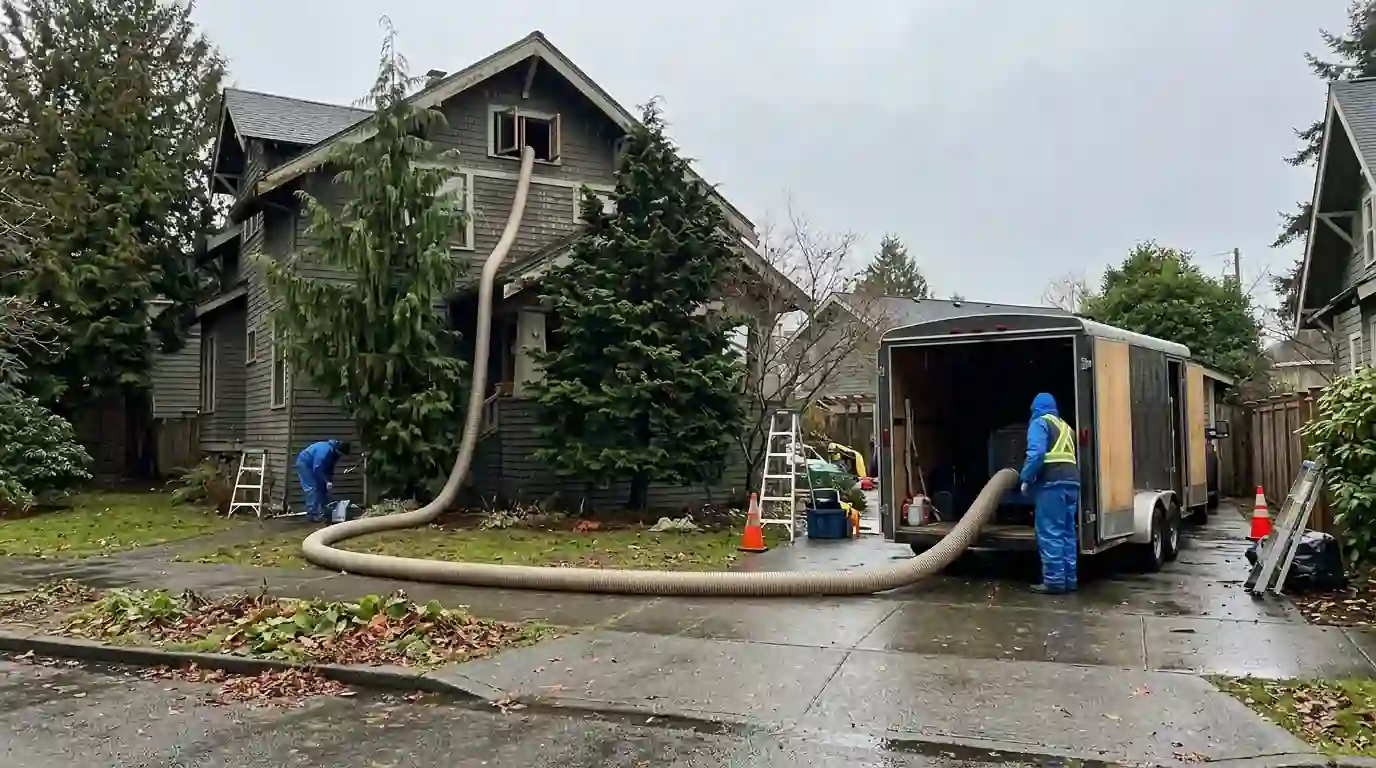
Access paths get masked and protected; everything leaves bagged, not loose through the house.
Suited technicians clear droppings, nests and soiled insulation under filtration.
Antimicrobial across decking and framing; enzyme treatment where urine soaked in.
Fresh insulation to proper depth, entries sealed in coordination with exclusion, after photos delivered.
Honest numbers
Attic work is quoted from the assessment because the honest range is wide: a spot cleanup over one bedroom is a different job from a full strip and re-insulate. The variables that set your number:
Each quote itemizes removal, sanitizing and insulation separately, so you can see what each line buys and scale the scope. For context, full rodent programs with cleanup in this market commonly publish at $800 to $2,500, and insulation restoration often pays part of itself back in heating costs.
Make the visit count
Straight answers
If animals were living up there, what they left remains: droppings, urine-soaked insulation and an open entry for the next tenant. The assessment will tell you the scale honestly; sometimes it is a minor spot cleanup, sometimes the insulation is finished.
Not over contamination. Capping soiled material seals odor and biohazard into the house and gives the next rodents a pre-made nest layer. Soiled sections come out first; clean, dry existing insulation can stay and be topped.
No. The attic is contained and under negative-pressure filtration while material moves, the removal route is masked, and living spaces stay separated. You can be home throughout.
Size and pattern. Rat droppings are spindle-shaped and scattered along runways; squirrel droppings are rounder, often concentrated near the entry, and squirrels are loud in daytime where rats work after dusk. The treatment coordination differs, which is why identification comes first.
Restoring compacted, tunneled insulation to proper depth measurably cuts heat loss through the ceiling, the largest loss path in most homes. We will tell you the before and after depth so the improvement is concrete, not a slogan.
We inspect visible wiring during the assessment because rodent-gnawed insulation on conductors is a genuine fire hazard. Anything suspect gets photographed and flagged for an electrician; we do not quietly bury it under new insulation.
Smelled it on a warm day? It is coming from upstairs.
Call (206) 944-0849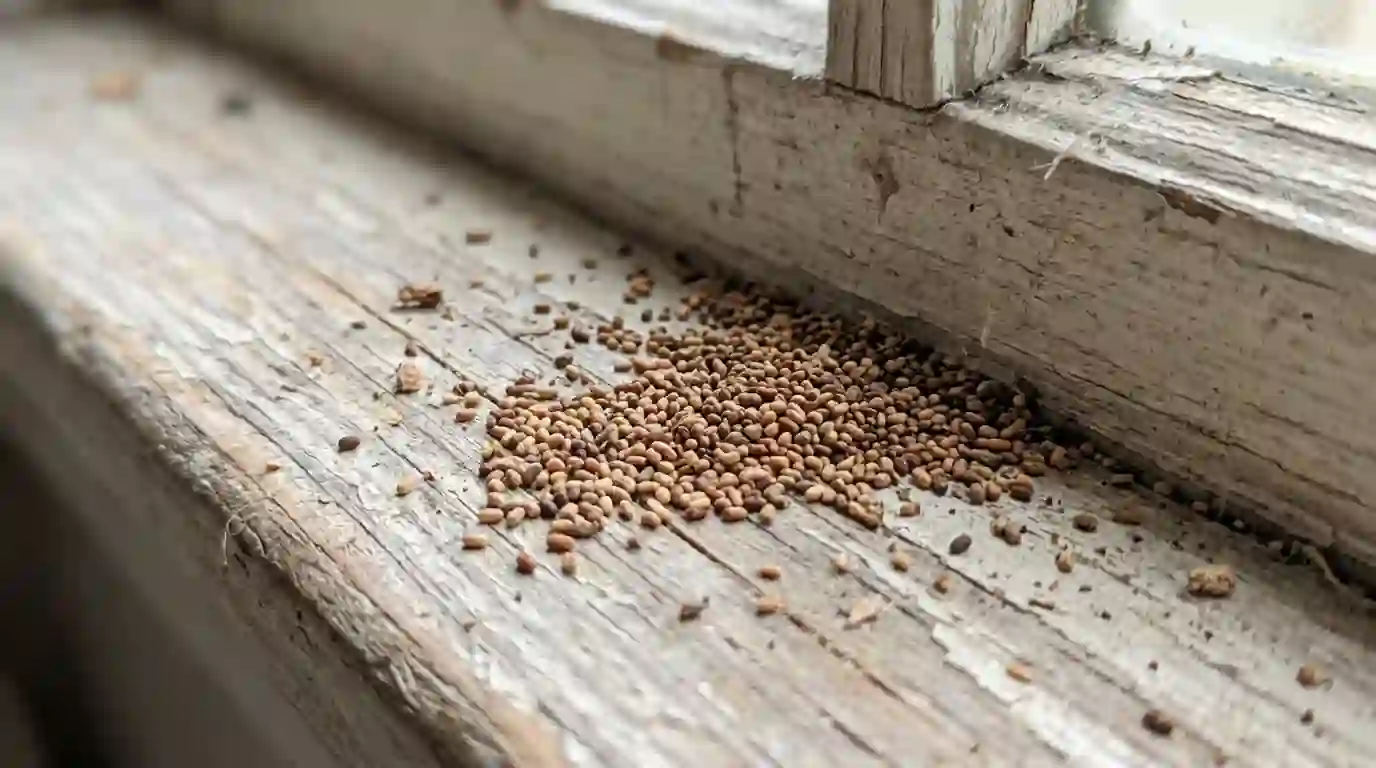
Talk to a technician
Assessment photos, one itemized quote, a day of contained work, and an attic that is clean, odor-free and properly insulated. Call to book it.
Call (206) 944-0849Answered 24/7 from our Seattle service office.
Find the office
Our service office sits at 1440 5th Ave in Seattle, with the head office over in Aberdeen. Calls route to a person, not a queue, any hour.