A steady flight line to one spot
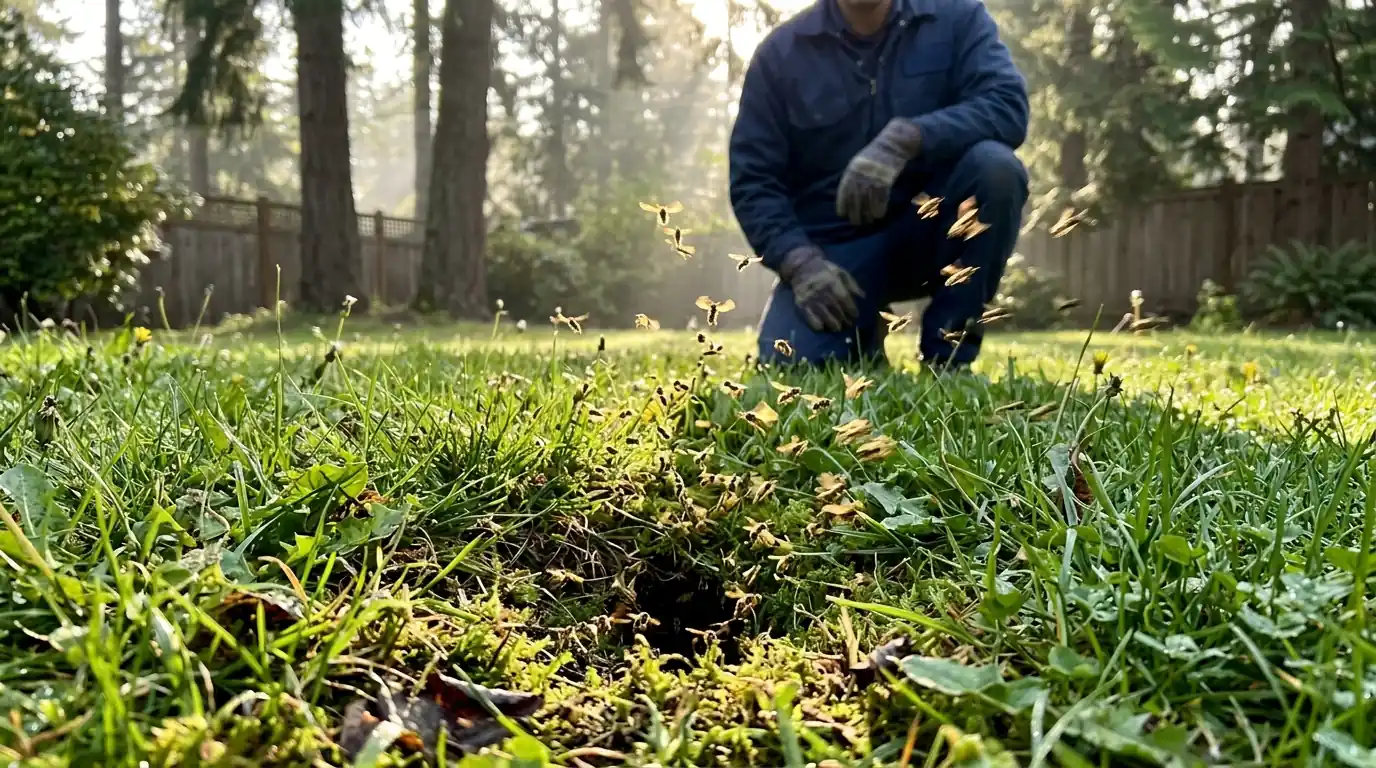
Wasps trafficking in and out of a single point in the lawn, a bank, a wall gap or under a step is the entrance. Mark the sight line, not the spot.
Spiders, Wasps & Seasonal
The nest you cannot see is the one that gets people: yellow jackets build underground and in walls. By late summer a hidden colony can hold thousands of workers with a hair-trigger defense. We locate the entrance, treat the colony at the right hour in full gear, and make your lawn, deck and picnic table yours again.
Call (206) 944-0849 All treatments
Reviewed by Marjorie Tidwell, Pest Prevention Writer. Updated 2026-10-05.
In short: Call (206) 944-0849 if you have been stung in the yard or watched wasps streaming from a hole in the ground, a wall gap or under a deck. We locate the entrance by traffic-watching, treat the colony at dawn or dusk in full protective gear, confirm the die-off, and close void entrances in the correct sequence. Mowing-season stings are treated as urgent.
What this treatment covers
Yellow jackets differ from their paper wasp cousins in the two ways that matter most: where they build and how they defend. Western and common yellow jackets nest underground in old rodent burrows and soil cavities, or inside wall and deck voids, so the colony is invisible while its defense radius is very real; vibration is a trigger, which is why lawnmowers, string trimmers and kids' footfalls account for most multi-sting incidents. A colony founded by one queen in April holds hundreds by July and can reach several thousand workers by September.
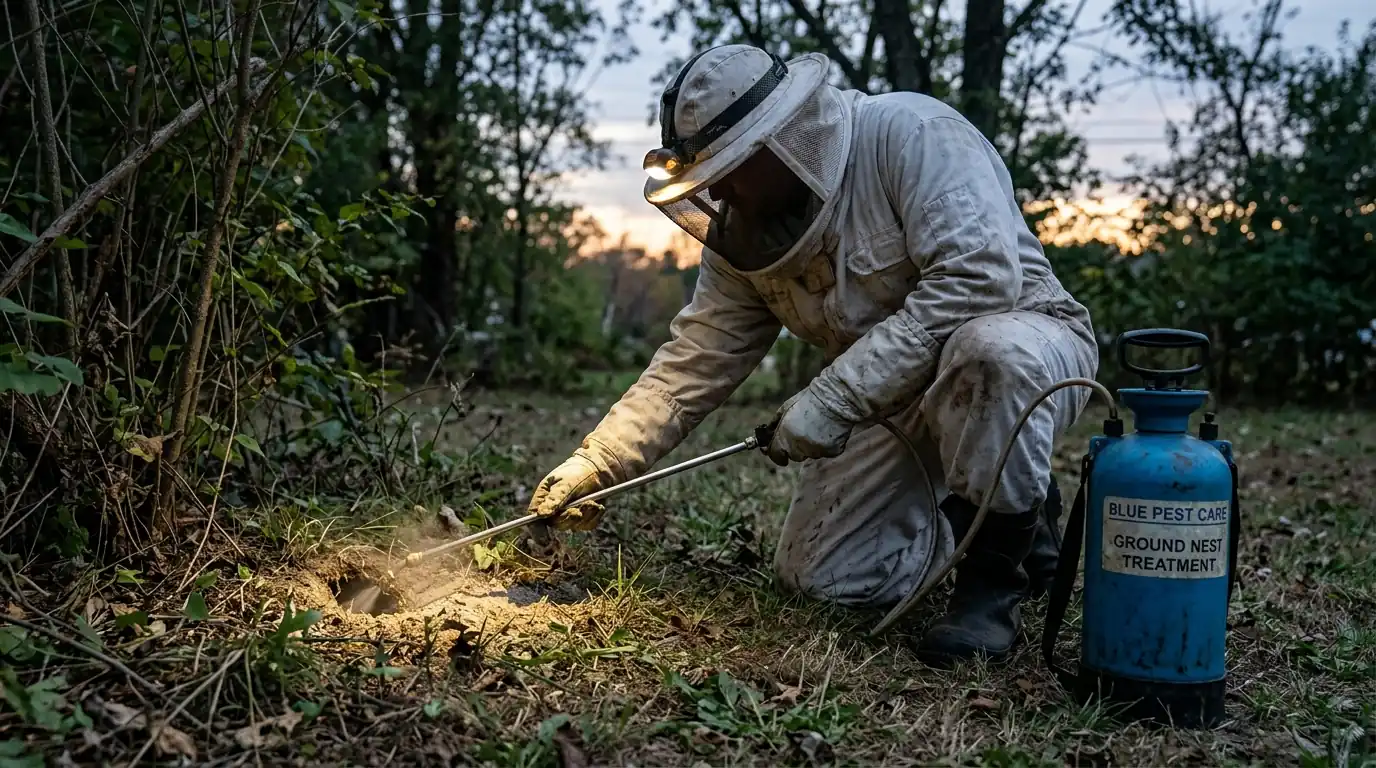
Treatment is built around the entrance. We locate it by watching flight traffic, the steady in-and-out line that marks the hole, then treat directly into the colony at dawn or dusk when the workforce is home, in full sting suits, with applications that reach the subterranean comb rather than dusting the doormat. Ground nests are confirmed dead over the following days; void nests follow the open-treat-confirm-seal sequence that keeps an agitated colony from chewing indoors.
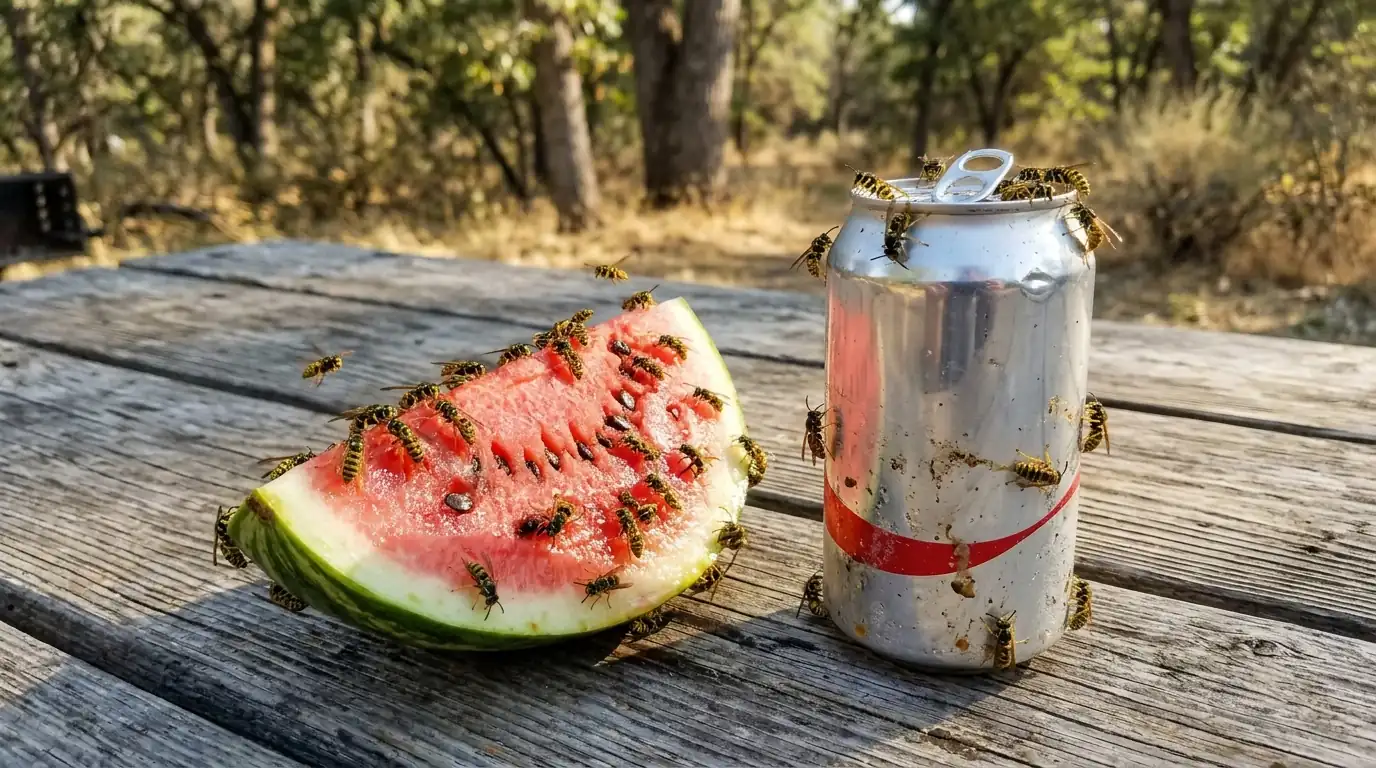
Late summer adds the scavenging problem: as natural prey declines, workers turn to human food, which is when picnics, barbecues and open garbage become contested territory. Alongside nest elimination we handle the sanitation and bait-station side for properties under heavy scavenging pressure, and we will tell you honestly when the marauders are commuting from a neighbor's nest we cannot touch.
Catch it early
Wasps trafficking in and out of a single point in the lawn, a bank, a wall gap or under a step is the entrance. Mark the sight line, not the spot.
Vibration defense is the classic first contact. Multiple stings in seconds near ground level is yellow jackets until proven otherwise.
Heavy scavenging at meat and sweet drinks from August on means mature colonies nearby, yours or a neighbor's.
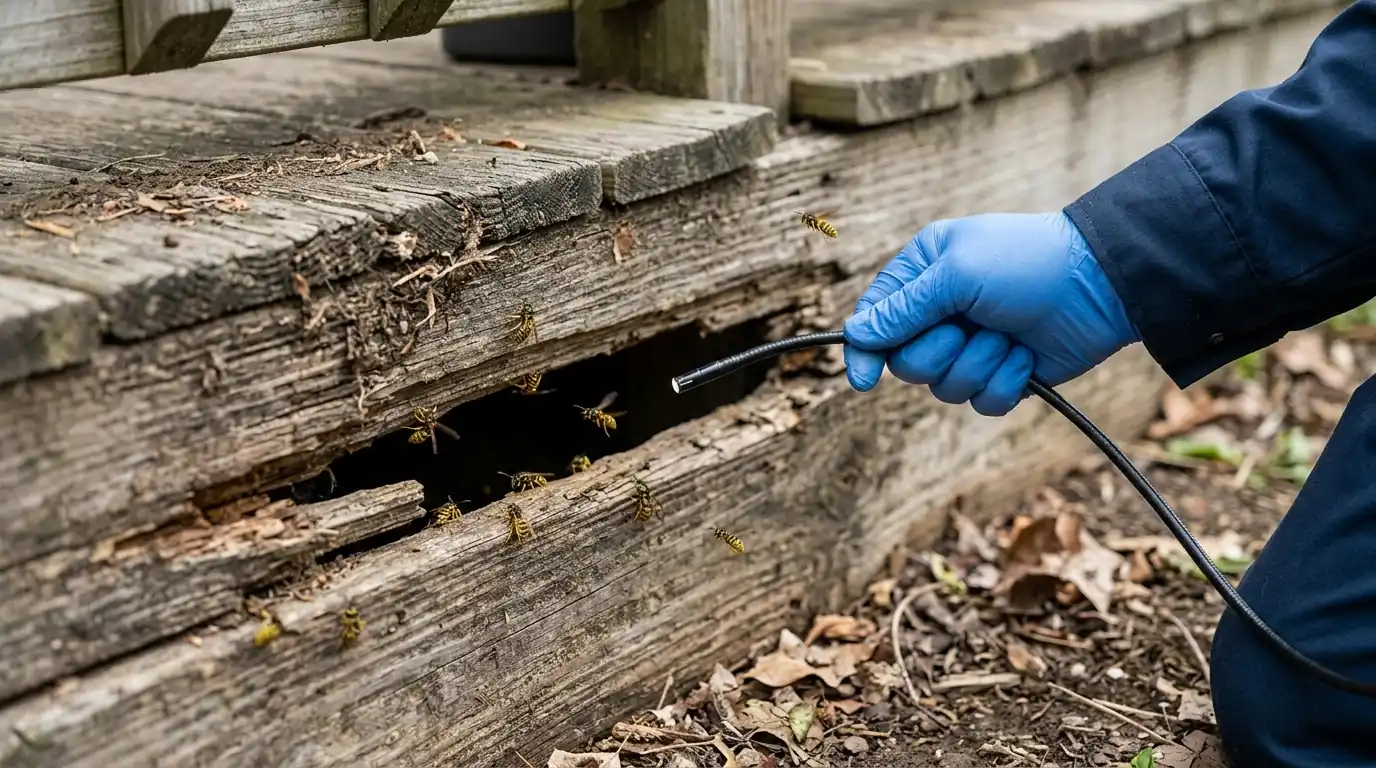
Audible colony noise beneath boards or inside a wall marks a large, established nest a few feet from traffic.
Dogs take the first stings in many yards; sudden avoidance of one lawn area or a swollen muzzle is field evidence.
Yellow jackets entering at the sill line can mean a void colony with eventual indoor breakout; it ranks above a lawn nest in urgency.
The Seattle angle
The Puget Sound yellow jacket calendar is dependable. Queens emerge with the first warm spring days, found nests through April and May, and ride the region's long mild summer through an unbroken colony build; by August the city's parks, yards and patios carry the year's maximum population exactly when people live outdoors. Seattle's abundant greenbelts, ravines and mature landscaping supply the undisturbed soil banks colonies prefer, while the rodent pressure the city is known for leaves a steady inventory of abandoned burrows, the ready-made cavities most ground nests start in.
Structure nests follow the housing stock the same way wasp nests do: settled siding, sill gaps and deck framing on homes largely built before 1980 offer void cavities every block, and a void colony discovered in September has usually been building since May. The practical local advice is simple and we repeat it on every call: flag the hole, stop mowing near it, and let the treatment happen at the colony's home hours in gear built for the job.
How the job runs
A sting, a flight line, a hum. Describe where; active yards get same or next day.
Traffic-watching pins the hole precisely, lawn, bank, deck or wall, before anything is disturbed.
Dawn or dusk, full suits, application direct into the colony where the comb actually is.
Traffic is re-checked over following days; big September colonies occasionally earn a second dose.
Void entrances sealed in correct sequence, and you get the scavenger-season playbook for the patio.
Honest numbers
Pricing follows where the colony lives. A marked lawn nest with open access is the simple end; a wall void above a deck is the other. The variables:
The quote comes before treatment, complete with confirmation and any sealing, and if the marauders at your table are commuting from off-property we will say so rather than sell you a treatment that cannot reach their nest.
Make the visit count
Straight answers
Colony investment. By late summer a nest represents months of work and thousands of siblings, and the species defends it with coordinated, repeated stings; each worker can sting multiple times. Add a vibration trigger and an invisible entrance, and you get the yard ambushes they are famous for.
The folk remedies, gasoline, boiling water, a glass bowl, share two problems: the comb often sits several feet from the entrance hole, out of reach, and a half-killed colony relocates its aggression. Ground nests are genuinely the job for suits and the right application.
Patience and geometry. Workers fly direct routes home, so watching traffic from two angles triangulates the entrance within minutes, in lawns, banks, woodpiles or siding gaps. Owners are often surprised how far the hole sits from where the stings happened.
It is the real risk with void colonies, especially if the entrance is sealed or sprayed wrong, because disturbed workers chew toward interior light. Keep the indoor room closed, leave the entrance alone, and the treat-confirm-seal sequence prevents exactly that outcome.
As harvest tools, modestly: they catch foragers, which trims the patio pressure, and they are worth running during scavenger season away from seating. What they never do is dent the colony, which replaces foragers faster than traps collect them. Nest elimination is the fix; traps are seasoning.
Yes, workers die at the first hard frosts and only new queens overwinter, off-site. Whether waiting is wise depends on the calendar and the conflict: a September nest by the back door is two more months of maximum aggression, which is rarely a trade worth making.
Stung at the mower this morning? Stop mowing and call.
Call (206) 944-0849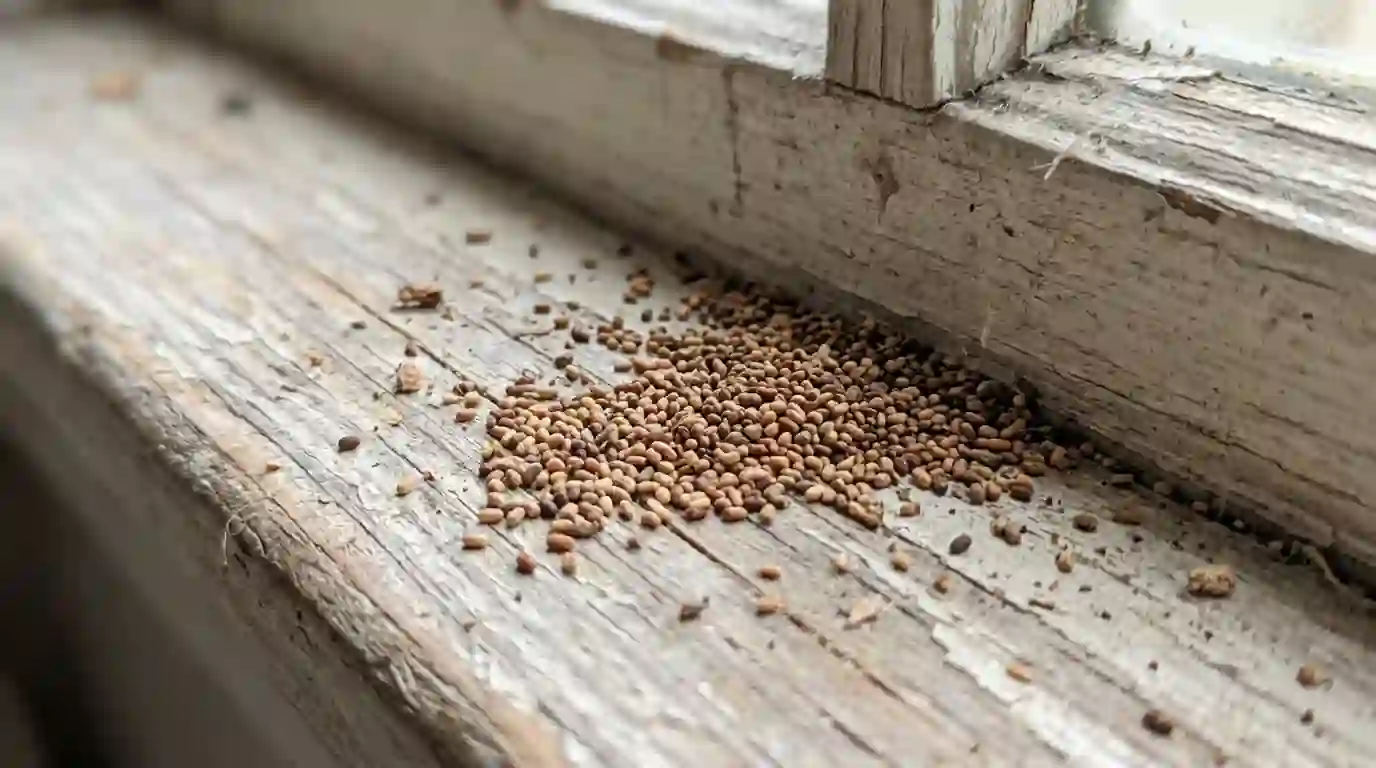
Talk to a technician
We find the hole, treat the colony at its home hours, and confirm it is over. Call today; stings move you up the schedule.
Call (206) 944-0849Answered 24/7 from our Seattle service office.
Find the office
Our service office sits at 1440 5th Ave in Seattle, with the head office over in Aberdeen. Calls route to a person, not a queue, any hour.