Bites in lines or clusters
Rows of welts on skin exposed during sleep are suggestive, never conclusive; they open the question the inspection closes.
Interior Infestations
Half the bed bug panics we inspect turn out to be something else, and that verdict is worth every penny. Bites alone cannot diagnose bed bugs; only physical evidence can. We inspect the bed, furniture and room perimeter methodically, show you exactly what we find or do not find, and only then talk treatment.
Call (206) 944-0849 All treatments
Reviewed by Marjorie Tidwell, Pest Prevention Writer. Updated 2026-10-05.
In short: Call (206) 944-0849 if you are waking with bites, found a suspect insect, or returned from travel worried. We inspect mattress seams, box spring, frame, headboard, nearby furniture and the room perimeter with proper lighting and tools, identify any insect or evidence found, and give you a written verdict with photos. Confirmed activity gets a treatment plan; a clean room gets told it is clean.
What this treatment covers
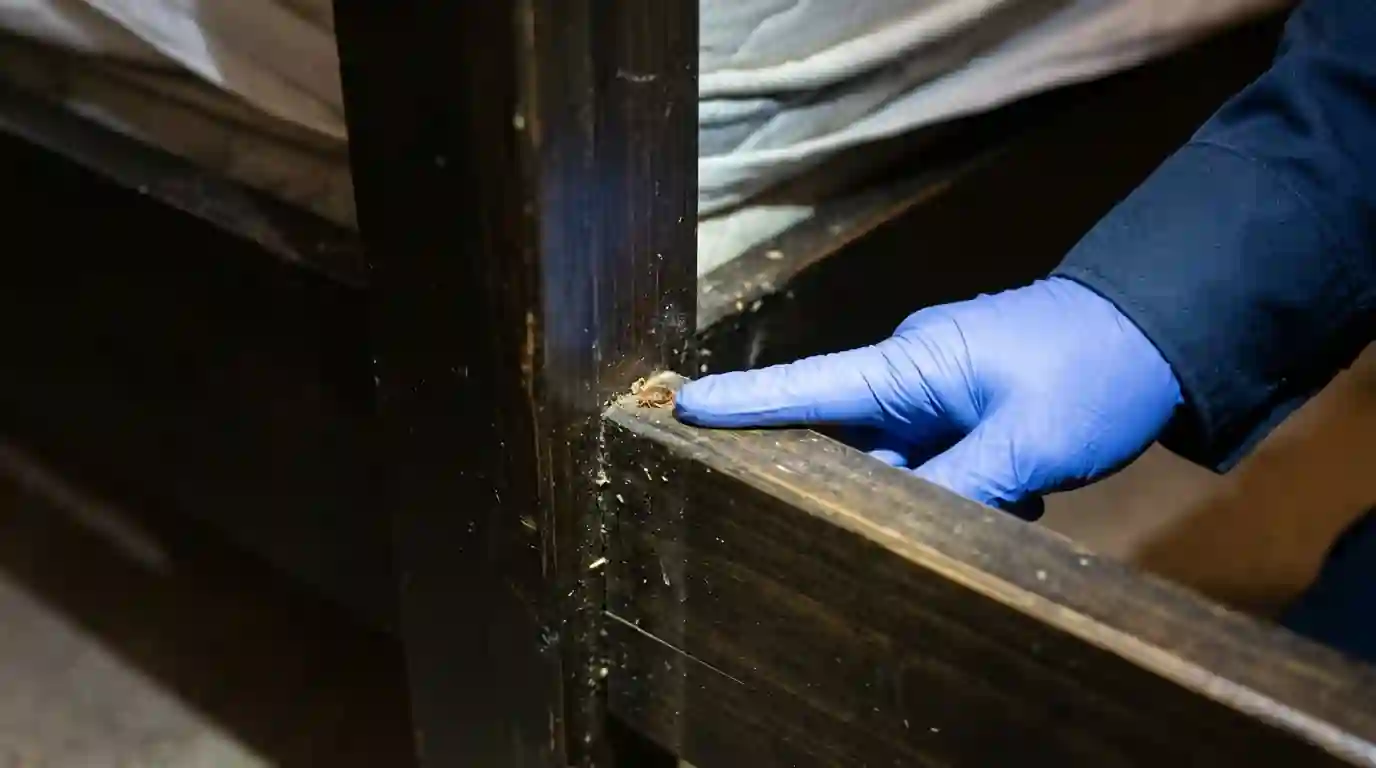
Bed bug inspection exists because the question cannot be answered from bites. Bite reactions vary wildly between people, many other causes mimic them, and roughly a third of people do not react to bed bug bites at all, so couples routinely disagree about whether anything is happening. The only honest diagnostic is physical evidence: live bugs, apple-seed-sized and flat; cast skins from molting nymphs; pearl-white eggs about a millimeter long glued into fabric seams; and the signature fecal spotting, black-brown dots that bleed into fabric like a marker touched to cloth.
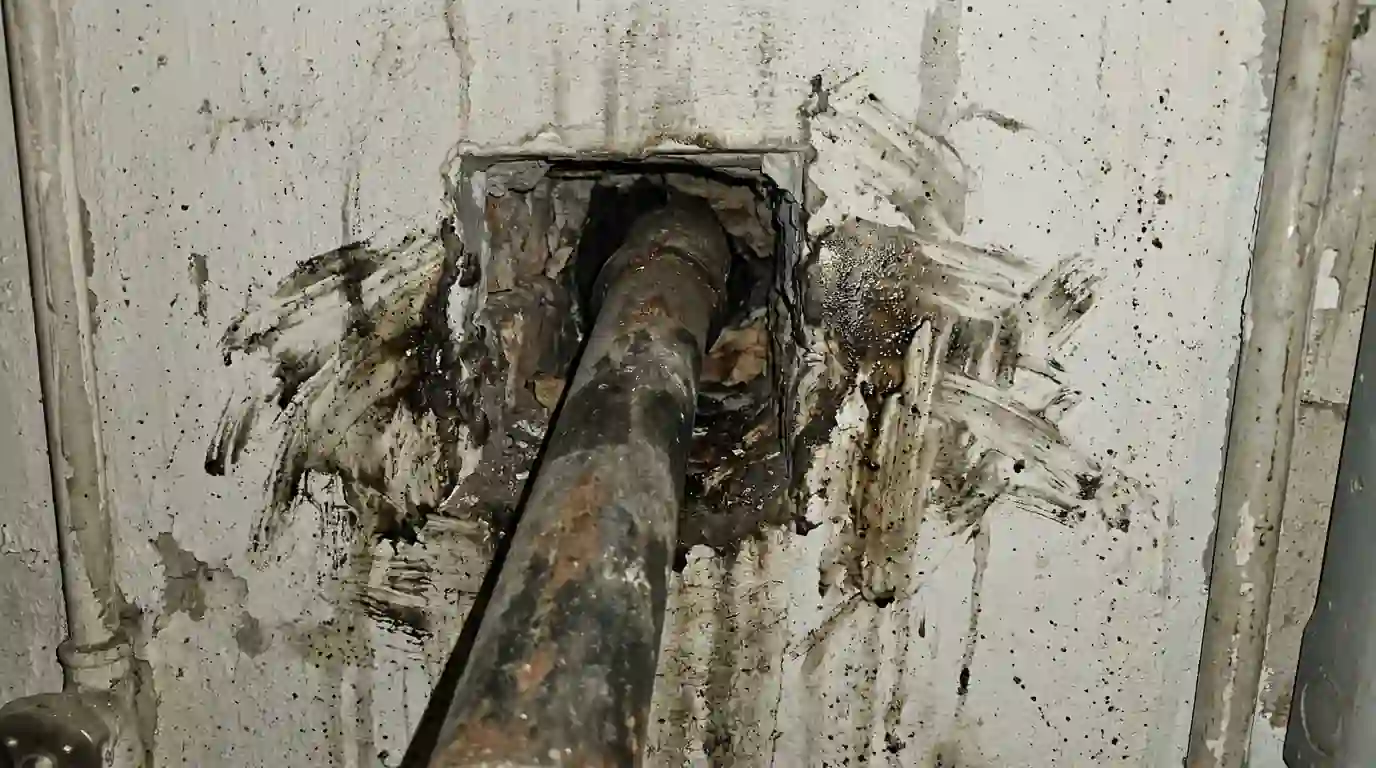
The inspection follows the bugs' biology. Bed bugs harbor within a few feet of where people sleep, so the sequence runs from highest to lower probability: mattress seams and tags, the box spring and its dust cover underside, frame joints and screw holes, the headboard and the wall behind it, then nightstands, seams of nearby upholstered furniture, baseboard gaps, carpet edges and outlet covers on the bed wall. Everything suspect is photographed and identified on the spot, including the lookalikes, carpet beetle larvae, spider beetles, bat bugs, that trigger a large share of false alarms.
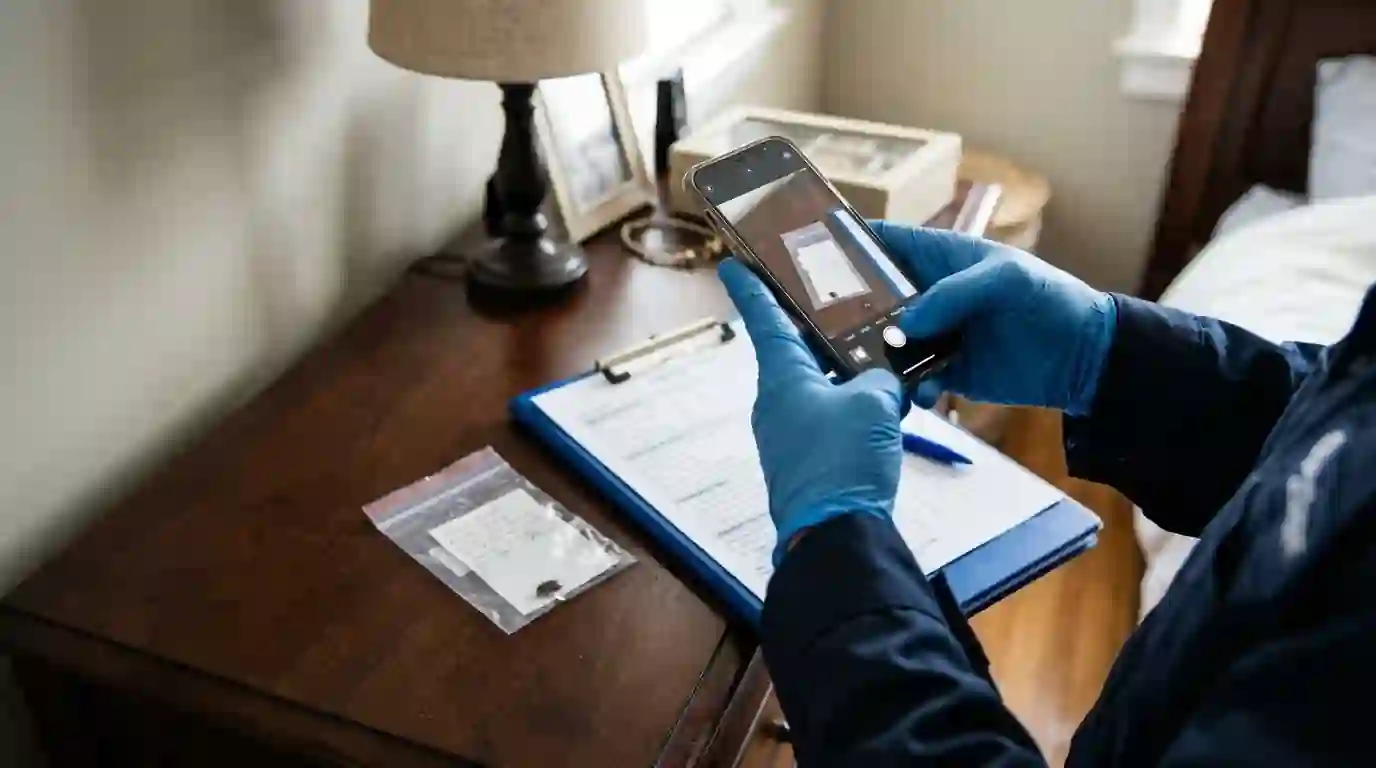
The written verdict is the deliverable. Confirmed activity comes with an infestation-level read, light, moderate or established, that scopes the treatment honestly; a clean inspection comes with a no-activity-found report, interception monitors if you want certainty over the following weeks, and zero pressure to buy a treatment the evidence does not support.
Catch it early
Rows of welts on skin exposed during sleep are suggestive, never conclusive; they open the question the inspection closes.
Ink-dot fecal marks along mattress piping or box spring fabric are the most reliable early evidence most people can spot.
Apple-seed size, no wings, banded abdomen: bag it. Identification of one specimen can settle everything in minutes.
Translucent molted shells accumulate where nymphs harbor; several together signal a developing population.
Recent hotel stays, visiting travelers or a secondhand couch are the classic introduction routes worth a precautionary check.
In apartments, confirmed activity next door or below is a legitimate trigger; bed bugs travel wall voids and corridors.
The Seattle angle
Seattle's bed bug picture tracks its mobility. A major airport hub, a dense hotel and short-term rental market, a busy port, and heavy university turnover each August move a lot of luggage and furniture through the city, and bed bugs are the hitchhiker pest, indifferent to cleanliness and interested only in proximity to sleepers. Big-city pest rankings have repeatedly placed Seattle in the national top twenty for bed bug treatments, and the apartment-heavy neighborhoods plus the thriving secondhand furniture culture, every curb-side free couch included, keep the introduction routes busy year-round.
The local silver lining is that early-stage Seattle infestations are genuinely common finds: people here tend to inspect and call fast, and a population caught at a few bugs and first spotting is a contained, affordable treatment rather than a building saga. It is exactly why the inspection is priced to be an easy decision, and why we credit it toward treatment when the verdict is positive.
How the job runs
Bites, sightings, travel history, neighbors; the pattern shapes where we look hardest.
Seams, tags, box spring underside, frame joints and headboard, under proper light.
Nightstands, upholstery seams, baseboards, carpet edges and outlet covers on the bed wall.
Every insect and mark gets named, including the lookalikes behind most false alarms.
Written, photographed, with an infestation level if confirmed, or a clean report plus optional monitors.
Honest numbers
The inspection is a flat rate per home with additional sleeping rooms priced modestly, kept deliberately low so nobody treats blind or waits in doubt. What can move it:
If we find nothing, you pay for the inspection and keep the written clean report, which is also exactly the document landlords, hotels and roommates ask for. If we find activity, the fee rolls into the treatment quote.
Make the visit count
Straight answers
No, and neither can anyone else, dermatologists included; bite morphology does not identify the biter. Photos of an insect or of spotting, on the other hand, are genuinely useful, and we are happy to look at those before you book.
The usual roster: carpet beetle larvae whose bristles irritate skin, flea bites concentrated at the ankles, bird or rodent mites after a nest nearby, scabies, folliculitis, and plain hives. Several of those still want a pest response, just a different one, which is why the identification matters more than the verdict's drama.
Not remotely. A single hitchhiker, caught before establishing, is the best-case scenario, and a prompt inspection plus interception monitors usually either finds nothing more or catches the problem at its smallest. Travel finds are our most common happy endings.
No, and the correlation genuinely does not exist: they follow sleeping humans, not sanitation. Clutter can give them more hiding places and make inspection slower, but five-star hotels get them for the same reason hostels do. Nobody at this company will treat you like it is a hygiene failing, because it is not.
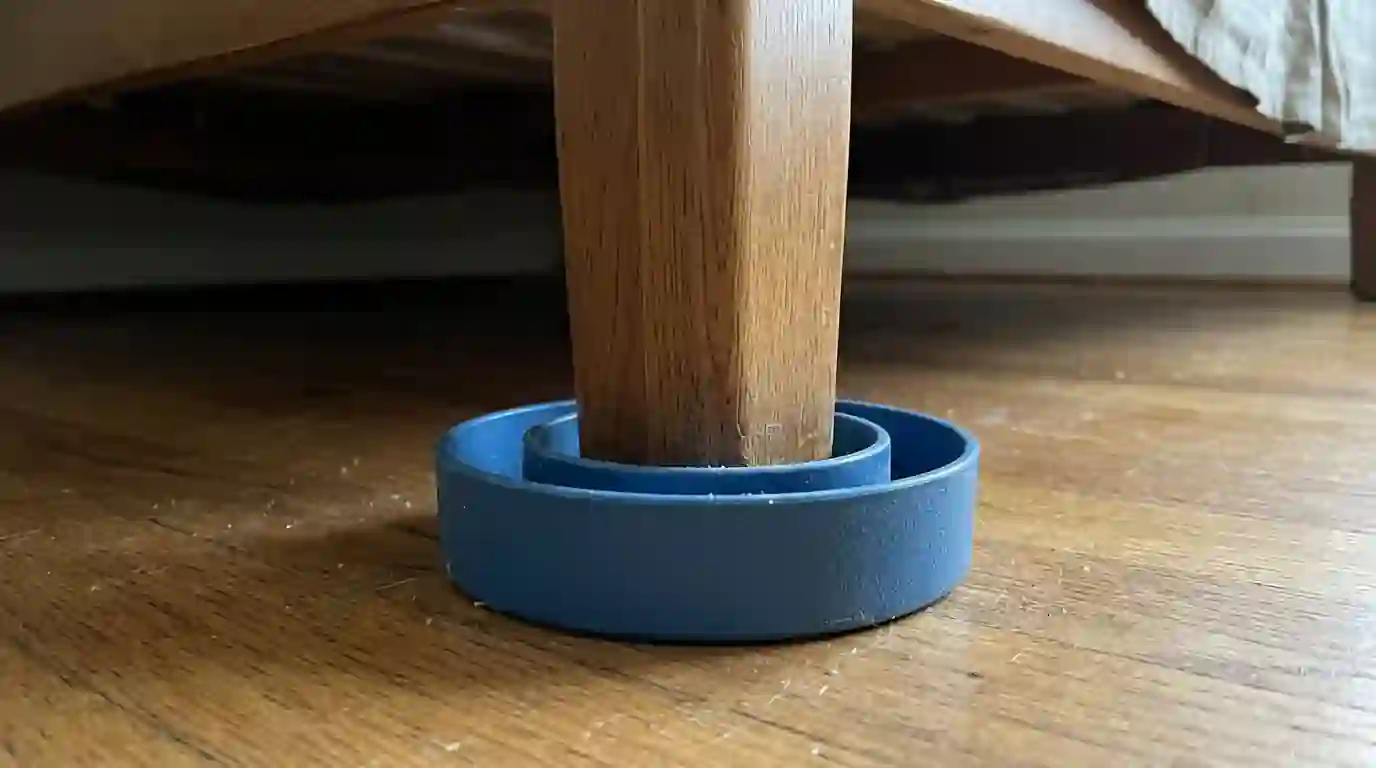
Small dishes that sit under bed legs and passively catch bugs traveling to or from the sleeper, plus adhesive monitors for frames without legs. They are cheap, silent and brutally honest over two to four weeks, which makes them the perfect follow-up to a clean inspection or a nervous trip home.
You get the infestation-level read and a treatment plan on the spot, with the inspection fee credited against it. Our bed bug treatment page covers the methods; the short version is that light, early infestations, which Seattle produces a lot of, are contained and very treatable.
Stop guessing at 3 AM. Get the verdict.
Call (206) 944-0849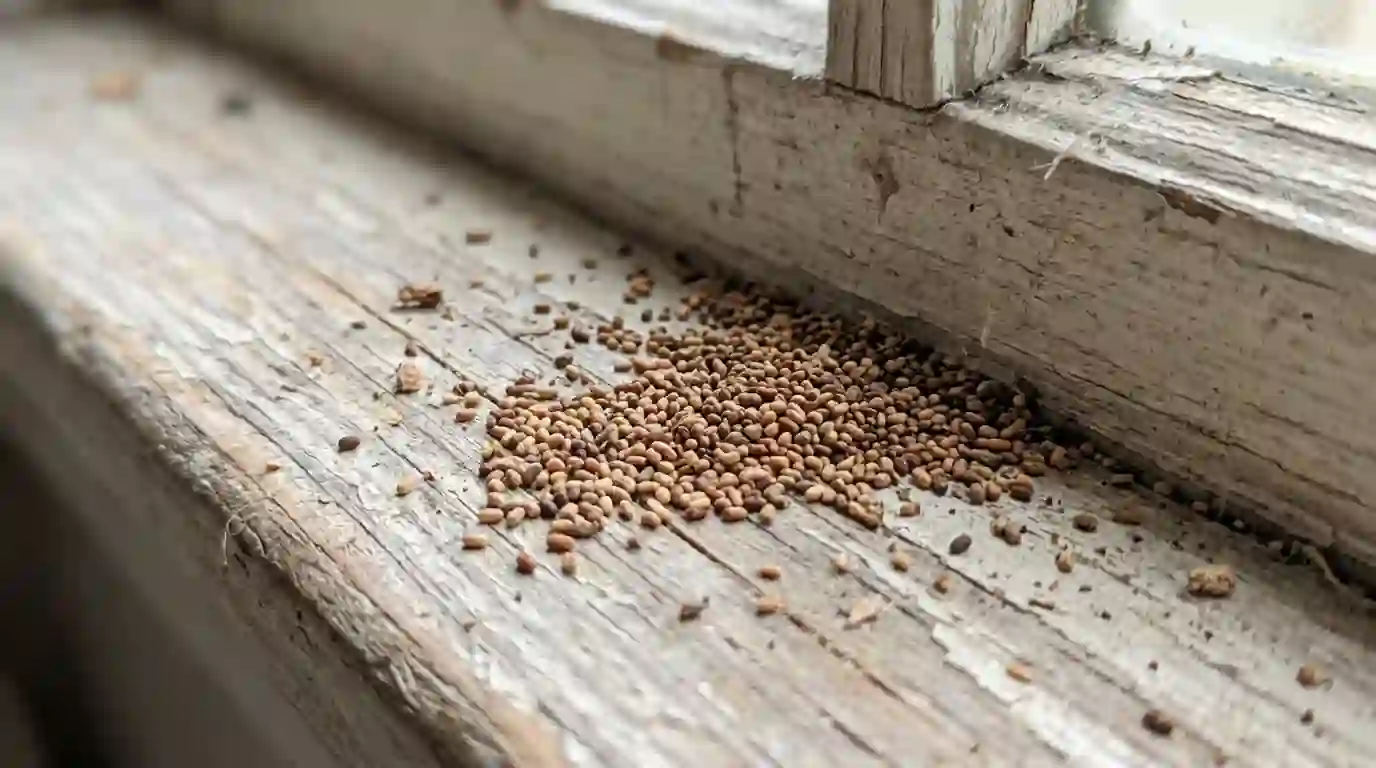
Talk to a technician
Evidence found or evidence absent, photographed either way, in writing. Call and sleep on facts instead of fear.
Call (206) 944-0849Answered 24/7 from our Seattle service office.
Find the office
Our service office sits at 1440 5th Ave in Seattle, with the head office over in Aberdeen. Calls route to a person, not a queue, any hour.