What is happening in fall
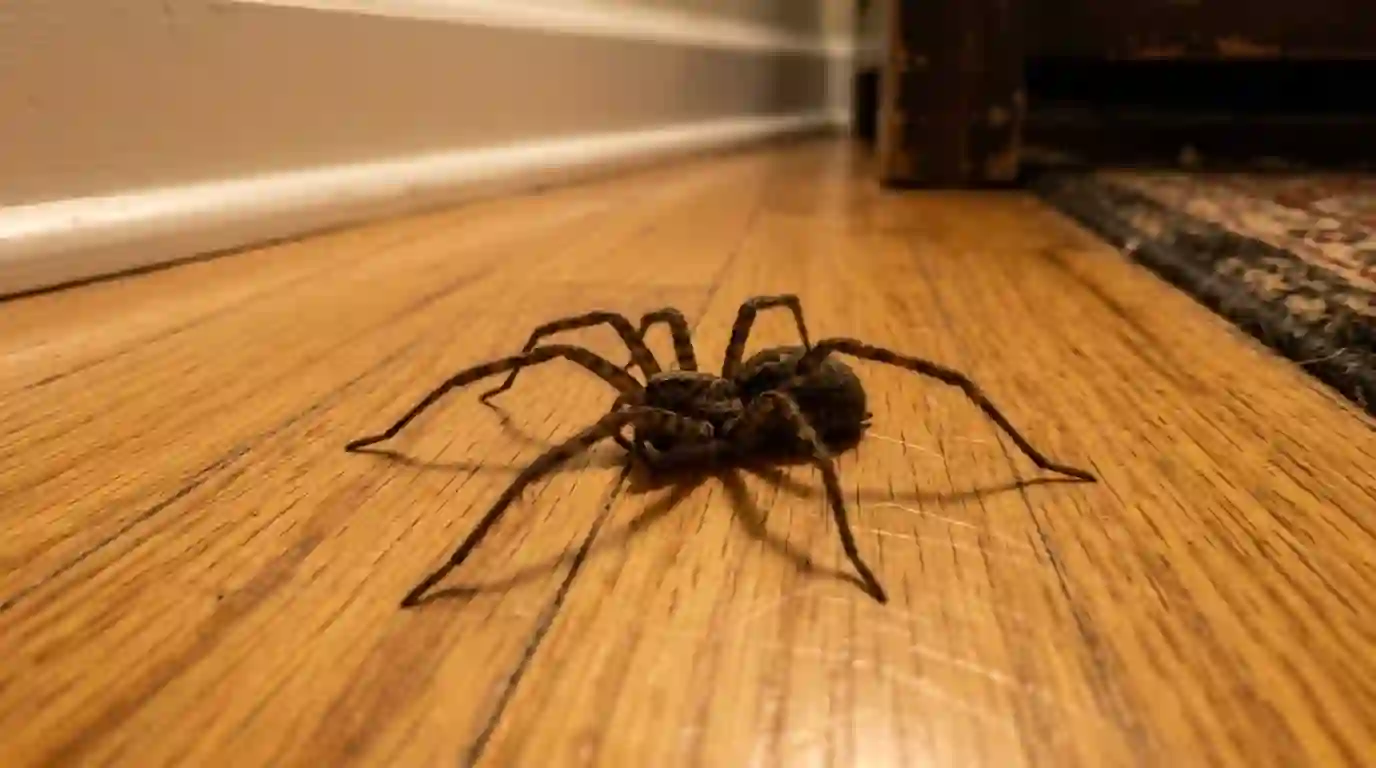
Giant house spiders mature in late summer. Males leave their funnel webs to find females, which is why they suddenly show up in living rooms and bathtubs from roughly August through October.
Most were already living in crawl spaces, garages and wall voids. They did not invade overnight.
Are they dangerous?
Giant house spiders are not considered medically significant. The hobo spider, once blamed for serious bites, is no longer considered a significant medical concern based on more recent research. Brown recluse spiders do not live in western Washington.
Black widows do occur in Washington but are uncommon in the wetter western part of the state. Do not handle any spider you cannot identify.
How to see fewer spiders
Remove webs and egg sacs around eaves, windows, decks and the garage. Fit door sweeps and fix torn screens. Reduce clutter in garages and basements where spiders hide.
Outdoor lights attract insects that spiders eat. Switching to yellow bulbs or turning off lights at night reduces their food supply near doors.
Spiders and other pests
Spiders follow food. A home with lots of spiders usually has plenty of small insects nearby, such as moths around lights, occasional invaders after rain, or flies near garbage. Reducing those insects reduces the spiders that hunt them.
Seattle's damp climate supports a large insect population near foundations, mulch beds and downspouts. Keeping a dry gravel strip against the foundation and managing outdoor lighting both help.
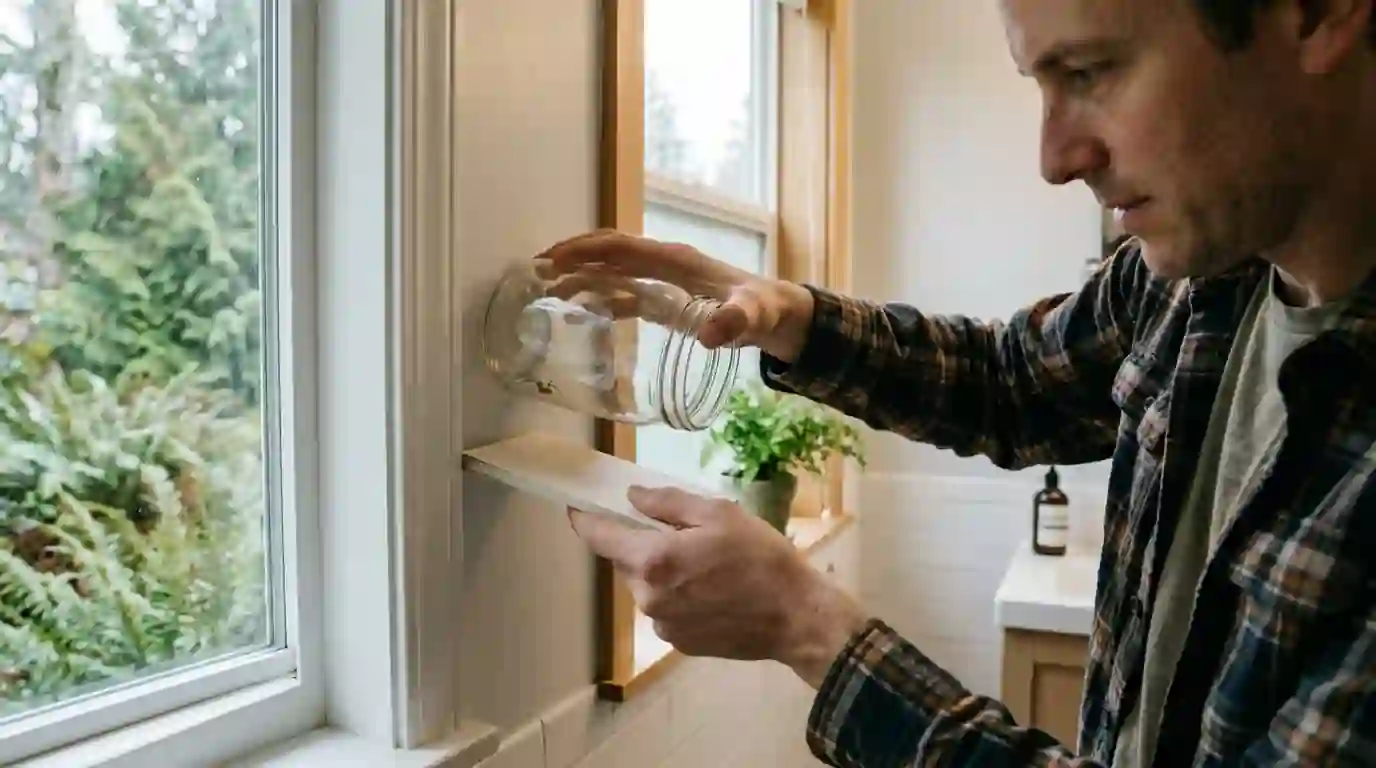
If you want to keep spiders for their pest control value, relocating them outdoors with a jar and card is easy. If numbers are high or someone in the household is very uncomfortable, a targeted treatment is reasonable.
When professional help makes sense
Heavy webbing, lots of egg sacs or constant sightings in a home near greenbelts or water may justify a late-summer treatment that targets harborage areas and the perimeter.
One well-timed visit before peak season is often enough.
Webs, egg sacs and timing
Many common house and garden spiders in the Seattle area lay egg sacs in late summer and fall. Each sac can hold dozens to hundreds of spiderlings, so removing sacs from eaves, window frames, decks and garages reduces next year's numbers.
Use a long-handled brush or a vacuum with an extension wand for webs and sacs. Empty the vacuum outside afterward.
Check sheltered spots that rarely get disturbed: under deck rails, behind outdoor furniture, inside window wells and along garage ceilings. These are the places where spiders and their sacs accumulate.
A single thorough clean in late August or early September, before the sprint season peaks, has more effect than repeated quick sweeps later in the fall.
Fall spider checklist
- Remove webs and egg sacs around eaves and windows
- Fit door sweeps and fix torn screens
- Reduce clutter in garages and basements
- Switch porch lights to yellow bulbs
- Seal gaps around pipes and vents
- Use a jar and paper to remove indoor spiders