Start with the droppings
Droppings are the most reliable clue most people can find. Rat droppings are roughly 12 to 19 millimeters long, about the size of a raisin, with blunt or spindle-shaped ends. Mouse droppings are much smaller, 3 to 6 millimeters, like grains of rice with pointed ends. Fresh droppings are dark and soft; older ones turn gray and crumble.
Where you find them matters too. Mouse droppings concentrate in kitchen drawers, under sinks and along pantry shelves close to food. Rat droppings tend to show up along runways: crawl space joists, attic insulation, garage walls and behind appliances. Do not sweep or vacuum droppings dry; wet them with disinfectant first and wear gloves.
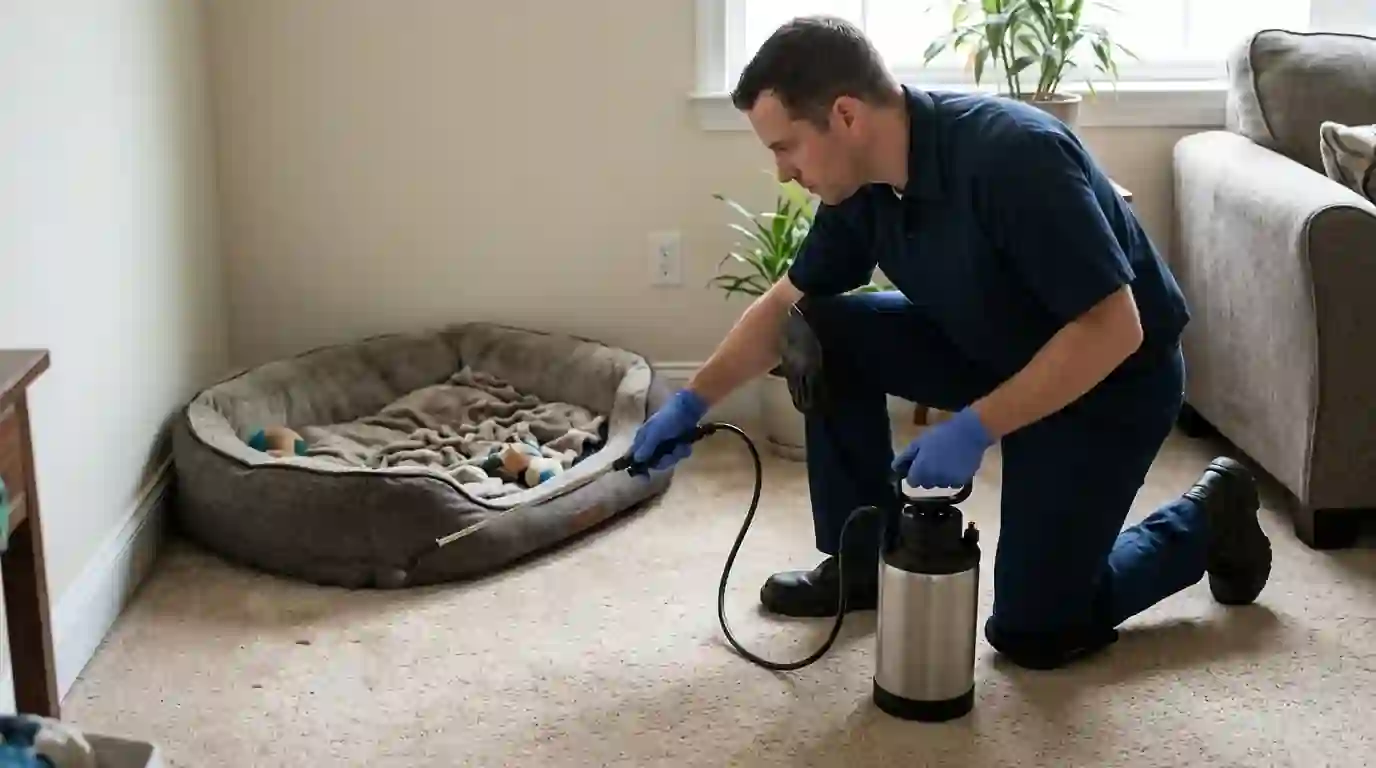
Listen for where and when
Timing and location narrow it further. Rats are most active in the first hours after dark. Heavy scurrying above the ceiling points to roof rats, which climb fences, trees and utility lines. Noise under the floor points to Norway rats, which burrow and nest low, often in Seattle's crawl spaces.
Mice sound lighter and faster, often in walls near the kitchen. Activity at dawn and dusk in the attic, especially with rolling or chewing sounds, is often a squirrel rather than a rodent of either kind.
Check the entry points
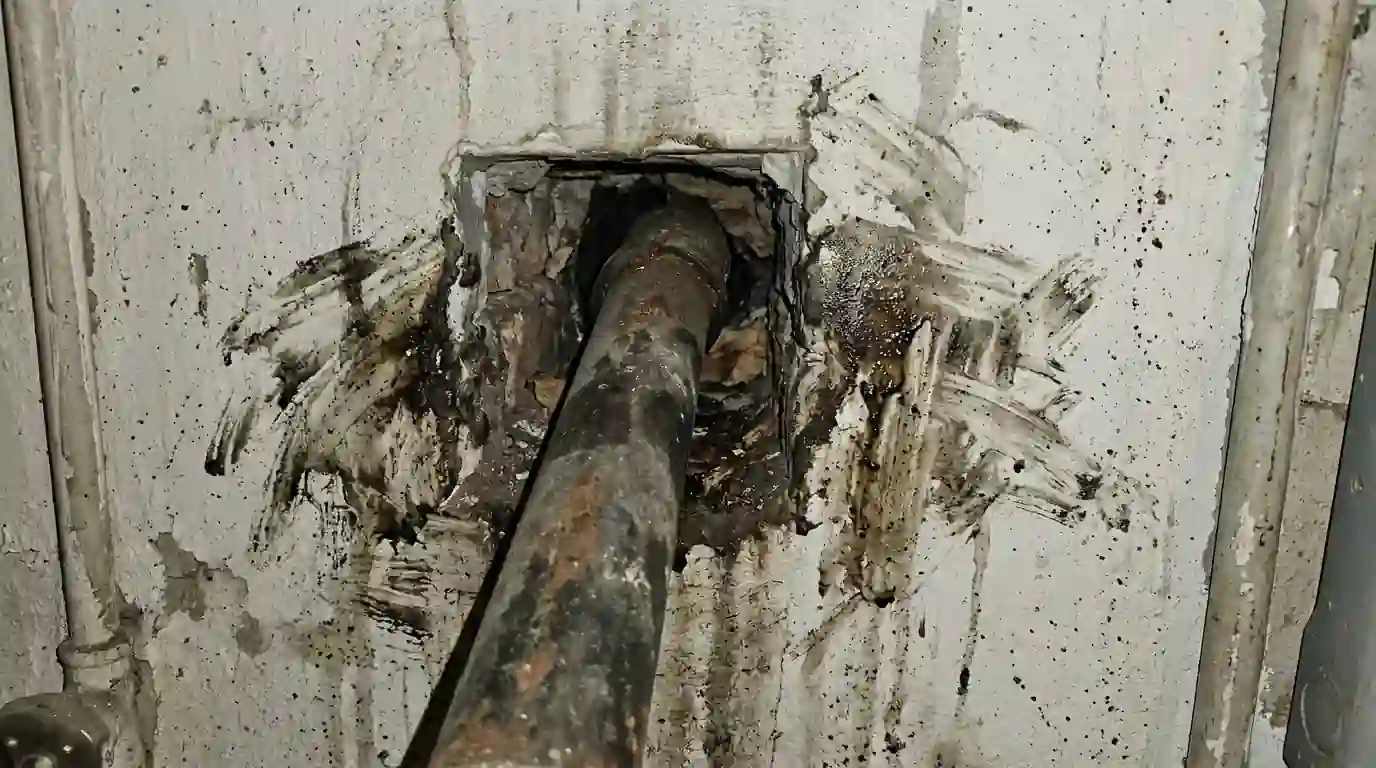
A rat can squeeze through a gap about the size of a quarter; a mouse needs only a dime-size opening, roughly a quarter inch. Walk your foundation, crawl vents, pipe penetrations and garage door corners. Gnawed edges and dark grease rub marks around a gap show it is being used.
Burrows with fanned soil along the foundation, under decks or beside sheds are a Norway rat sign. Rats do not usually dig into lawns in the open; they prefer cover.
Neighborhood patterns we see
North of the Ship Canal, in Ballard, Fremont, Wallingford, the U District and Ravenna, mature trees, old fences and dense utility lines give roof rats easy routes into attics, so overhead noise is common there. In neighborhoods with lots of greenbelt edges and older homes on crawl spaces, Norway rats under the floor are the more common story.
Deer mice are more likely near wooded edges and outbuildings than in dense city blocks. They have white bellies and two-tone tails, and their droppings call for extra care because of hantavirus risk. If you suspect deer mice, do not sweep or vacuum; wet the area and call for help.
Whatever you find, write down the date, location and type of sign. A short log over a week tells a technician far more than a single sighting, and it helps confirm later that treatment and sealing have worked.
Why it matters in Seattle
Seattle has ranked in the top dozen U.S. metros for rodent treatments in Orkin's yearly list, and calls rise from October through February when fall rain pushes rodents indoors. Roughly six in ten Seattle single-family homes sit over a crawl space, giving Norway rats an easy staging area under the floor.
The species changes the treatment: trap placement, which entries to seal first, and whether the attic or crawl space gets the attention. Getting the identification right saves time and money.
Quick identification checklist
- Measure a dropping against a grain of rice and a raisin
- Note whether noise comes from the attic, walls or floor
- Note the time of night activity peaks
- Look for grease rub marks at gaps and pipes
- Check the foundation for burrows with fanned soil
- Photograph any gnaw marks on wood, plastic or wiring